Cartier versus Rolex
Cartier and Rolex represent two very different expressions of luxury watchmaking. Cartier approaches the watch as a designed object: elegant, architectural and culturally sophisticated. Rolex builds highly recognisable mechanical watches around durability, precision, consistency and long-term desirability.
Choose Cartier for elegance, design history and distinctive shapes. Choose Rolex for engineering, everyday resilience, resale strength and the stronger all-round mechanical watch.

Which brand wins where?
Cartier and Rolex excel for different reasons. The clearest decision is whether you place greater value on visual design and elegance, or mechanical strength and long-term ownership.
Cartier and Rolex at a glance.
Cartier is a historic Parisian maison whose watches form part of a much wider jewellery and design tradition. Rolex is a specialist watch manufacturer whose reputation rests on mechanical consistency, professional watches and ownership confidence.
Cartier
Design authorityRolex
Mechanical benchmarkThe designed object versus the perfected tool.
Cartier asks what a watch can express through line, proportion and shape. Rolex asks how consistently a mechanical watch can perform while remaining recognisable across generations.
The watch as architecture, style and cultural expression.
Cartier’s greatest watches are not defined primarily by technical complications. Their strength lies in proportion, case geometry, typography and the relationship between the watch and the wearer.
- One of the strongest archives of shaped watches
- Roman numerals, cabochon crowns and railway-track dials
- Designs that move easily between formal and everyday wear
- A closer relationship with fashion, jewellery and visual culture
The mechanical watch refined through continuous evolution.
Rolex rarely reinvents its most important watches. Instead, it improves cases, bracelets, movements and materials while protecting the visual identity that made each model successful.
- Strong focus on water resistance and mechanical reliability
- Manufacture automatic movements across the collection
- Carefully controlled and highly consistent design evolution
- Exceptional recognition and long-term secondary-market demand
The closest head-to-head comparisons.
Cartier and Rolex do not always produce direct equivalents. These pairings compare models likely to appeal to buyers considering similar price points, uses and styles.
Cartier Santos
The Santos is the more visually distinctive watch. Its square case, exposed screws and integrated bracelet create a clear identity, while the interchangeable bracelet and strap system add useful versatility.
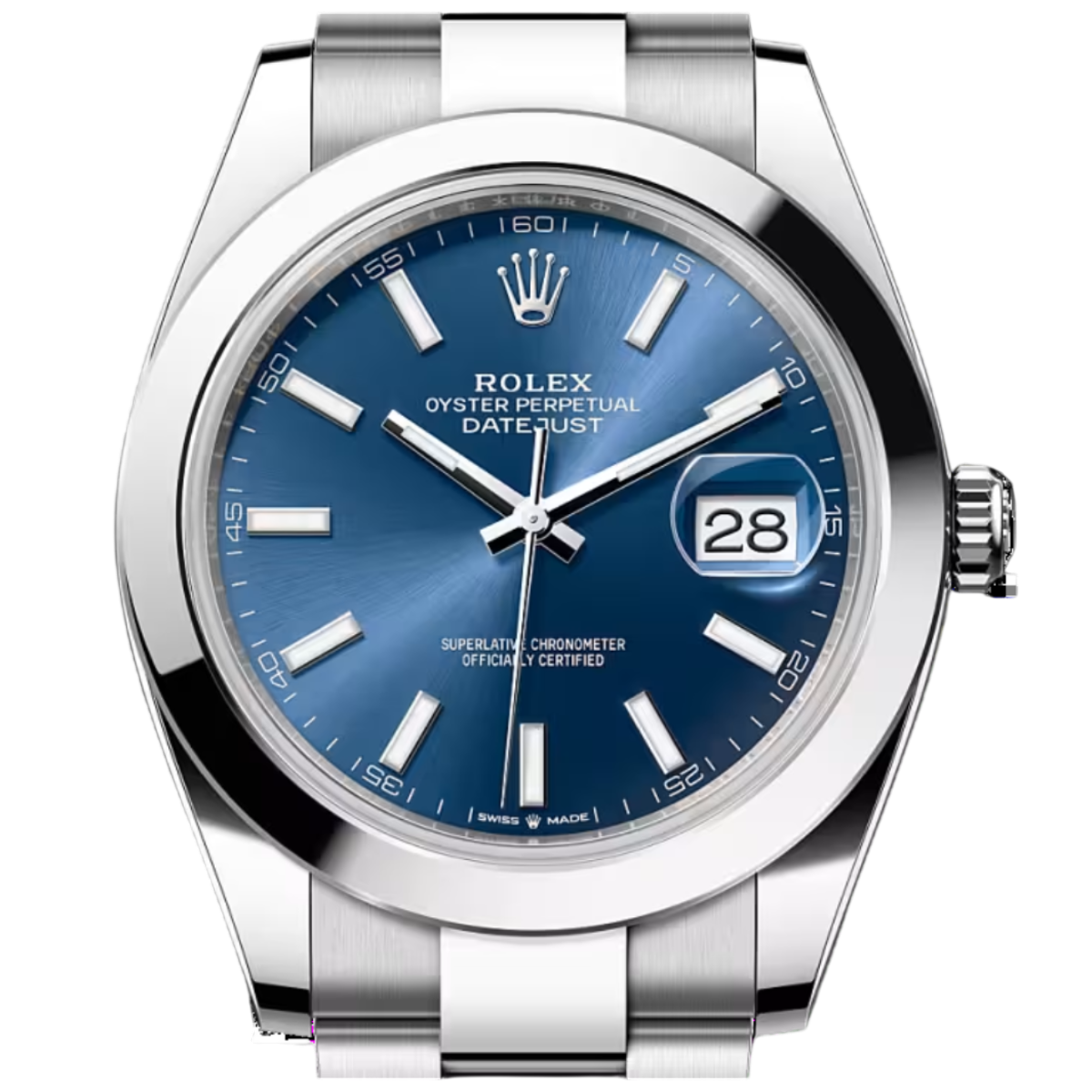
Rolex Datejust
The Datejust is more conventional but also more robust, mechanically consistent and configurable. It can be understated or overtly luxurious depending on bezel, bracelet, dial and case material.
Choose the Santos for character, architectural design and a less predictable wrist presence. Choose the Datejust for mechanical reassurance, configuration choice and stronger long-term resale. The Datejust wins as the safer all-rounder; the Santos wins as the more interesting design.

Cartier Tank Must
The Tank Must offers one of the purest expressions of Cartier design. It is slim, immediately recognisable and able to look sophisticated without relying on size, precious metal or mechanical complexity.
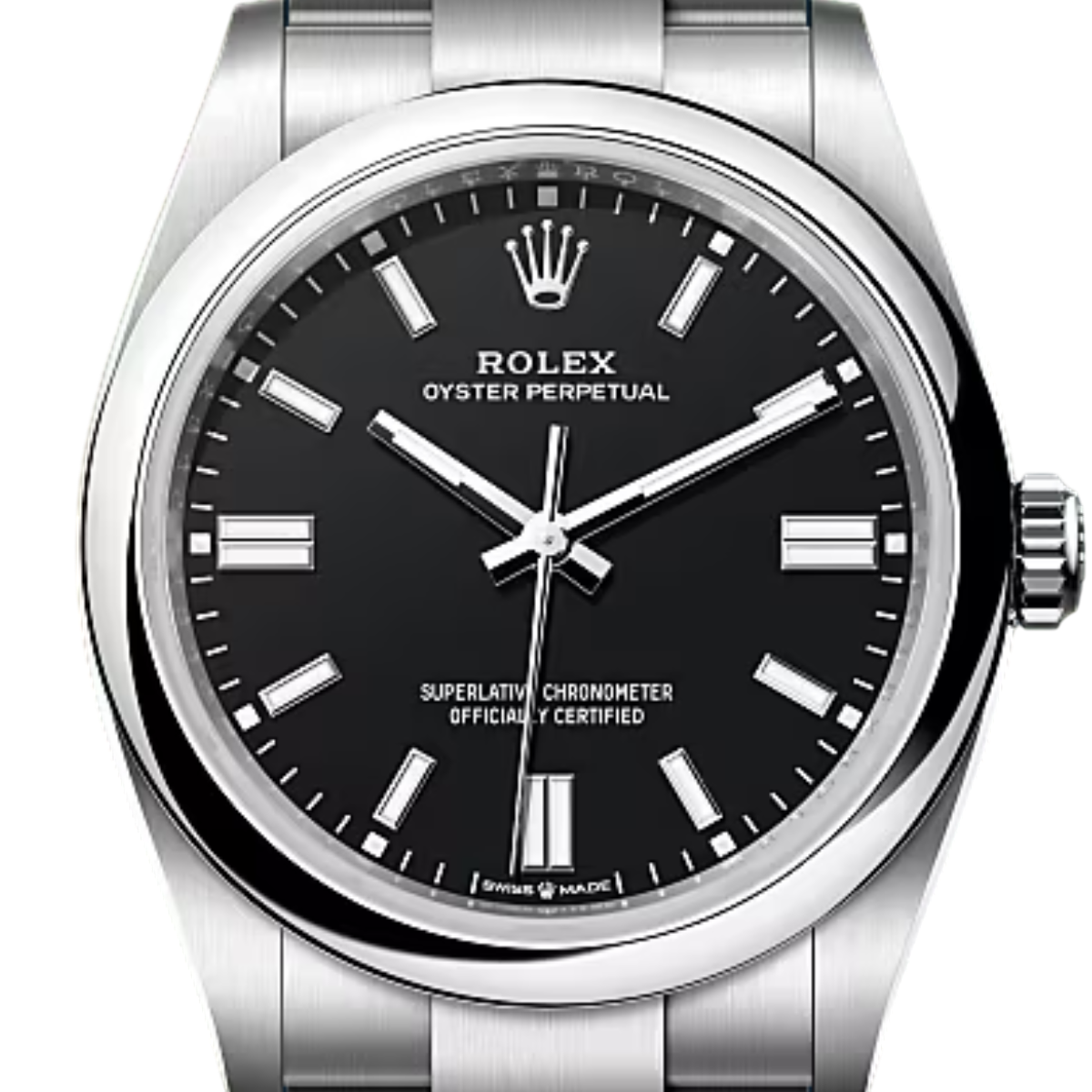
Rolex Oyster Perpetual
The Oyster Perpetual is the stronger practical watch. It combines a robust waterproof case, automatic manufacture movement and clear dial with a simplicity that makes it suitable for almost any casual setting.
These watches answer different needs. The Tank is the better expression of elegance and formal style. The Oyster Perpetual is the better everyday mechanical watch. Choose according to whether design or practical versatility matters more.
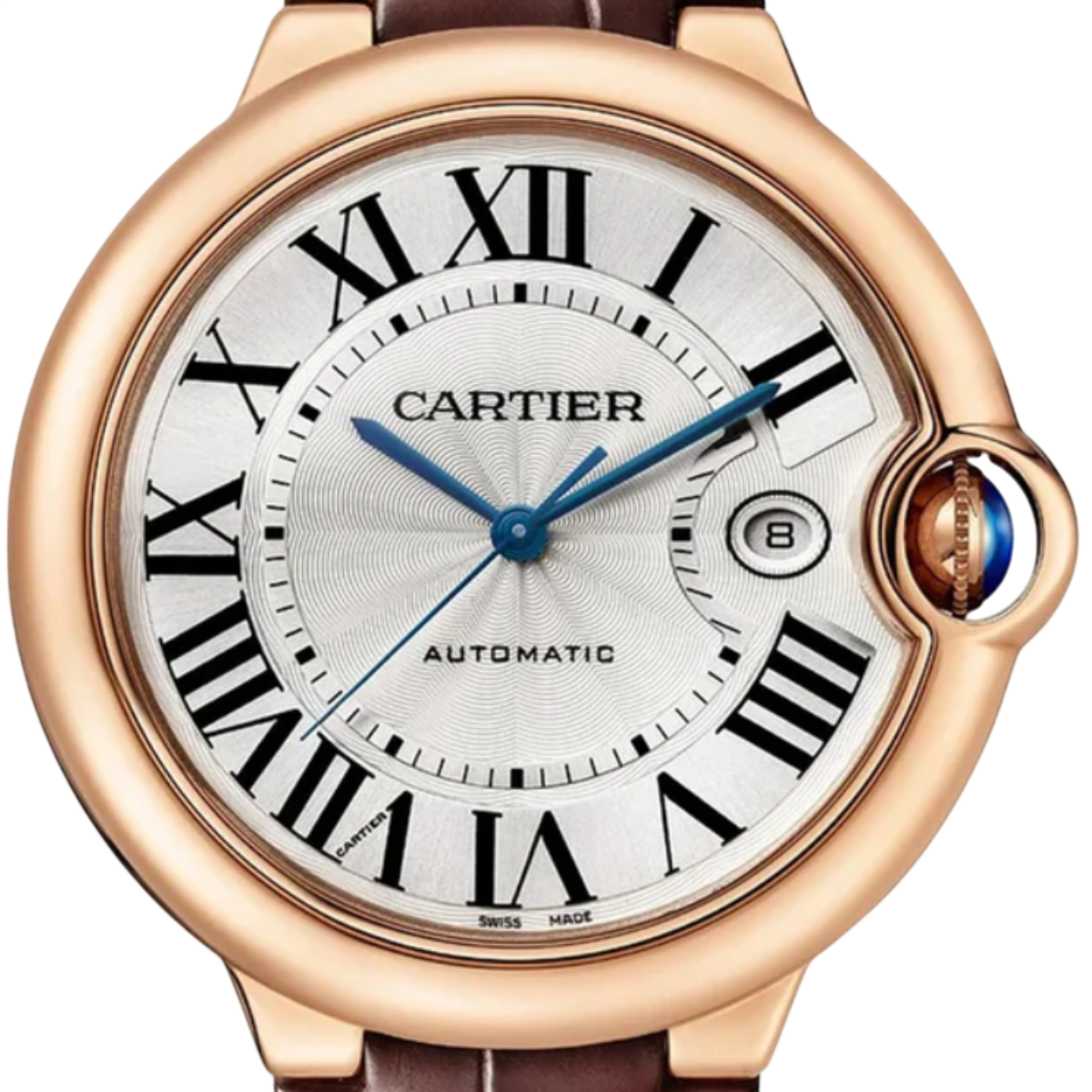
Cartier Ballon Bleu
The Ballon Bleu is softer and more sculptural than Cartier’s rectangular icons. Its rounded case and integrated crown guard create a luxurious appearance that feels refined rather than overtly status-driven.
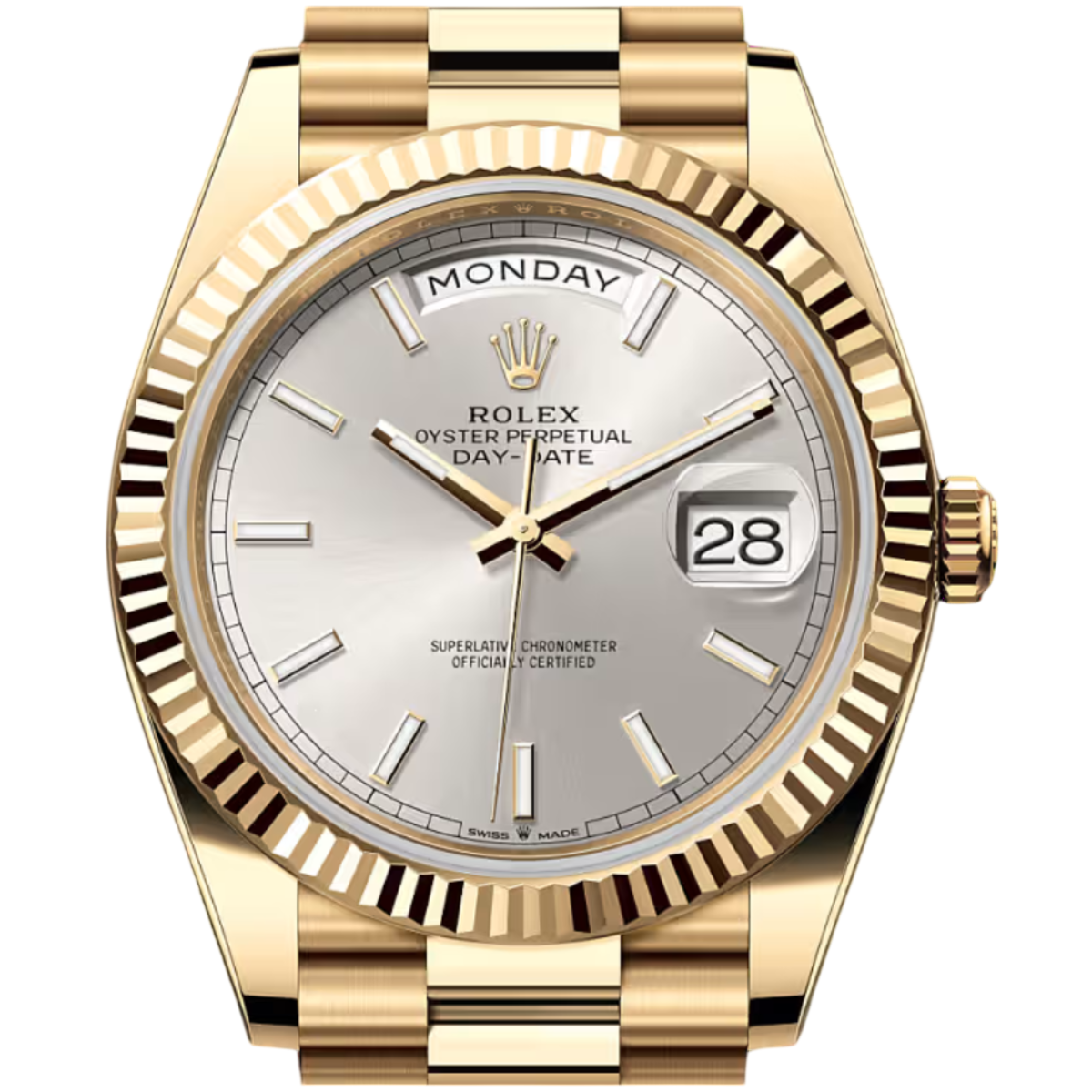
Rolex Day-Date
The Day-Date is one of Rolex’s clearest status watches. Made in precious metals and paired with the President bracelet, it combines strong recognition with a useful calendar display and robust automatic construction.
The Ballon Bleu is the more discreet and design-led luxury object. The Day-Date has greater mechanical substance, recognition and resale strength. Cartier feels more elegant; Rolex feels more authoritative.

Cartier Santos-Dumont
The Santos-Dumont is thinner, lighter and more visually delicate than the standard Santos. It retains the historic square architecture but presents it as a restrained dress watch, usually on leather.
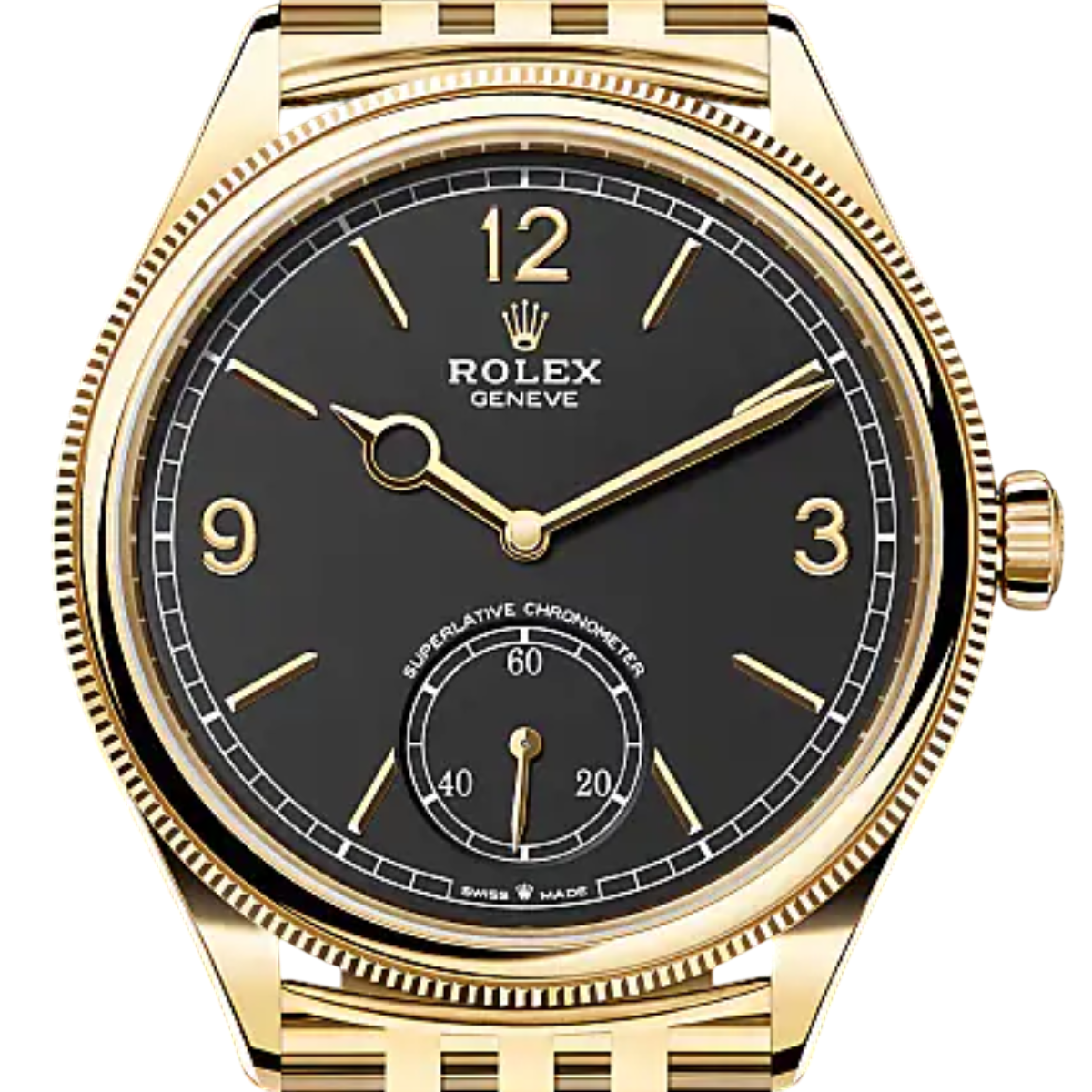
Rolex Perpetual 1908
The Perpetual 1908 is Rolex’s modern answer to the traditional dress watch. It offers a manufacture automatic movement, precious-metal case and more decorative finishing than the brand usually displays.
The Rolex offers greater mechanical substance and a more conventionally prestigious specification. The Cartier remains the stronger design: slimmer, more individual and less dependent on precious metal to feel special.
How the brands compare by category.
The scores assess the present-day brands as complete luxury watch propositions. Individual models may perform differently.
Which brand is right for you?
The decision is less about which name is more prestigious and more about what you expect the watch to contribute to your personal style and daily life.
You want design to matter more than specification.
Cartier’s best watches succeed through proportion, architecture and cultural confidence. They feel considered rather than engineered to dominate.
- You prefer rectangular, square or sculptural case shapes
- You want a watch that works naturally with formal clothing
- You value visual history more than maximum mechanical specification
- You want a luxury watch that feels elegant rather than overtly status-driven
You want the stronger all-round mechanical watch.
Rolex is the more rational ownership proposition. Its watches are designed for sustained everyday use and supported by exceptional recognition and demand.
- You prioritise mechanical reliability and water resistance
- You want one watch for work, travel, leisure and formal use
- You care about resale strength and long-term market demand
- You prefer a watch with strong status recognition
The winner for six common buyers.
Rolex
Stronger all-round ownershipCartier
Tank or Santos-DumontRolex
Datejust advantageCartier
Greater visual originalityRolex
Stronger market demandCartier
More culturally refinedDurability, servicing and resale.
The ownership experience differs significantly. Rolex is generally the stronger choice for hard daily use, while Cartier ownership depends more heavily on the specific case, movement and level of water resistance.
Daily durability
Rolex has the clear advantage for water resistance, robust bracelets and sustained everyday wear. Models such as the Santos are practical, but many Cartier watches are slimmer and more dress-oriented.
Servicing
Both brands maintain established authorised service networks. Cartier’s quartz models may offer simpler ownership, while mechanical watches from either brand require periodic professional servicing.
Resale
Rolex has the stronger overall secondary market. Cartier icons such as the Santos and Tank remain desirable, but values are generally more dependent on reference, condition, size and original purchase price.
Cartier vs Rolex: common questions.
Rolex is generally stronger for mechanical engineering, durability, water resistance and resale. Cartier is stronger for elegant design, shaped cases and dress-watch heritage. The better brand depends on whether practical performance or visual character matters more.
Both brands have exceptional recognition. Rolex carries greater mechanical-watch status and secondary-market demand. Cartier has broader prestige as a historic luxury maison associated with jewellery, royalty, design and Parisian elegance.
Cartier does not generally match Rolex for resale strength. Popular Santos and Tank references can retain respectable value, but Rolex has stronger demand across a larger proportion of its collection.
The Santos is more distinctive and design-led, with a square case and integrated aesthetic. The Datejust is mechanically stronger, more configurable and generally better for resale. The Santos has more personality; the Datejust is the safer all-round choice.
Rolex is usually the stronger first luxury watch for buyers seeking a durable mechanical timepiece with broad everyday use. Cartier may be the better choice for someone whose priority is elegance, formal wear or a distinctive case design.
No. Cartier has played an important role in wristwatch design and produces both quartz and mechanical watches. Its emphasis is often design rather than technical specification, but models such as the Santos combine genuine mechanical substance with historic importance.
Rolex wins as the all-round watch. Cartier wins as design.
Rolex is the stronger rational purchase. Its movements, cases, bracelets, water resistance and secondary-market strength make it exceptionally convincing as a watch for sustained everyday ownership.
Cartier offers something Rolex cannot easily replicate: genuine architectural elegance. A Tank, Santos or Santos-Dumont does not need to compete on technical specification because its value lies in proportion, shape and cultural permanence. For many buyers, that makes Cartier the more personal and sophisticated choice.