Best Watches Over £10,000
Once the budget moves beyond £10,000, the luxury-watch market changes character. Precious metals, specialist complications, elite movement finishing and genuine collector icons enter the conversation, but higher prices also make judgement more important, not less.
What changes above £10,000.
Crossing £10,000 does not automatically buy a better watch. It buys access to a different set of choices: precious-metal Rolex models, serious haute horlogerie, complicated Patek Philippe references and watches whose value is tied as much to finishing, scarcity and historical significance as to basic specification.
Our selection therefore gives extra weight to identity, mechanical substance, finishing, long-term desirability and ownership credibility. At this level, paying more for a famous name without understanding the specific reference is one of the easiest ways to make an expensive mistake.
The quick picks.
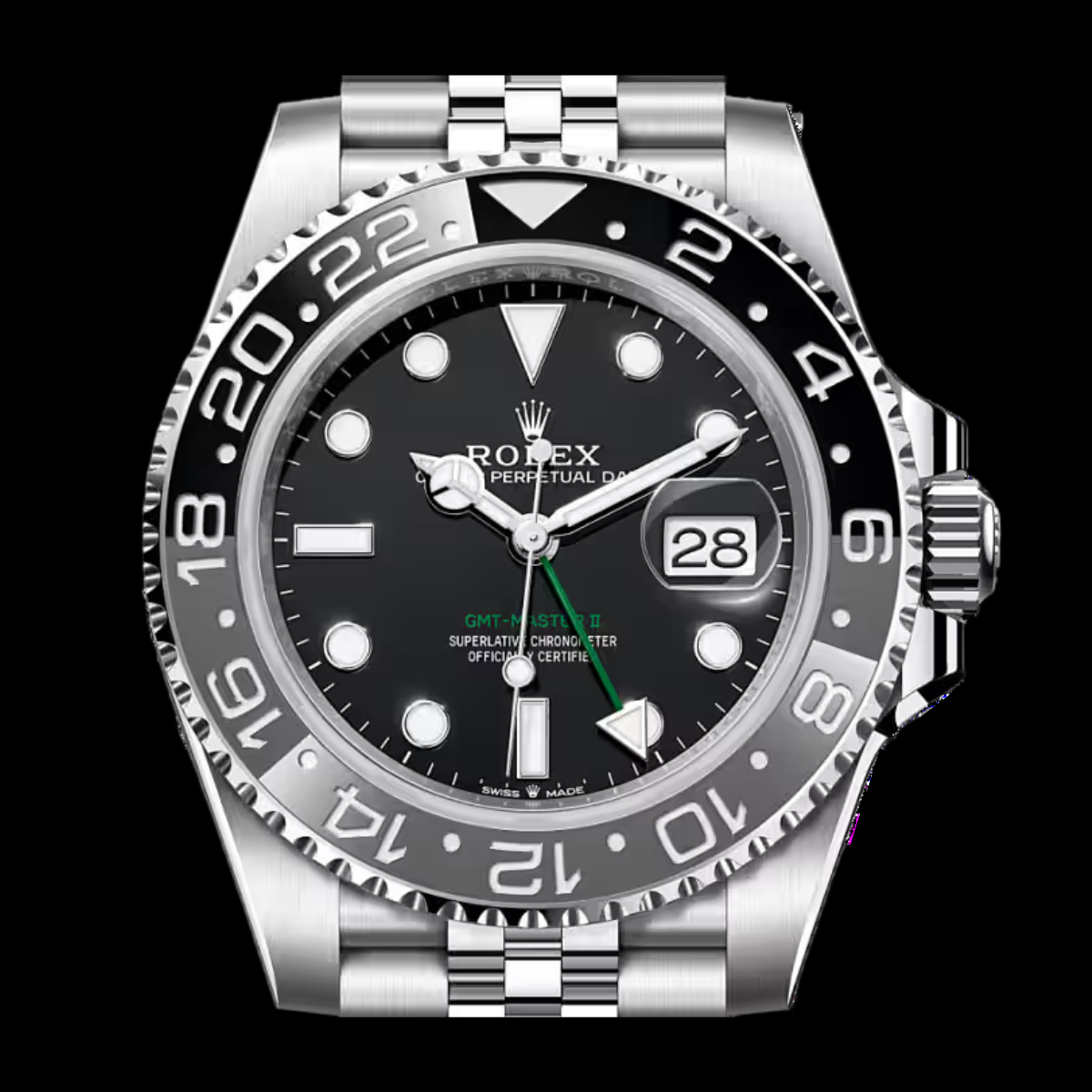
Rolex GMT-Master II
One of the strongest combinations of daily usability, recognition, travel functionality and long-term desirability.
see our verdict →Patek Philippe Calatrava
A pure expression of traditional high-end watchmaking, built around proportion, finishing and restraint.
see our verdict →Patek Philippe Nautilus
A definitive integrated-bracelet icon with extraordinary collector status and exceptional wearability.
see our verdict →Patek Philippe Aquanaut
A relaxed, rubber-strapped route into elite watchmaking, with genuine everyday appeal.
see our verdict →Patek Philippe Annual Calendar
A useful, technically significant complication that remains wearable enough for regular ownership.
see our verdict →Rolex Day-Date
Precious metal, unmistakable design and one of the clearest statements in the Rolex catalogue.
see our verdict →Our best watches over £10,000.
Rolex GMT-Master II
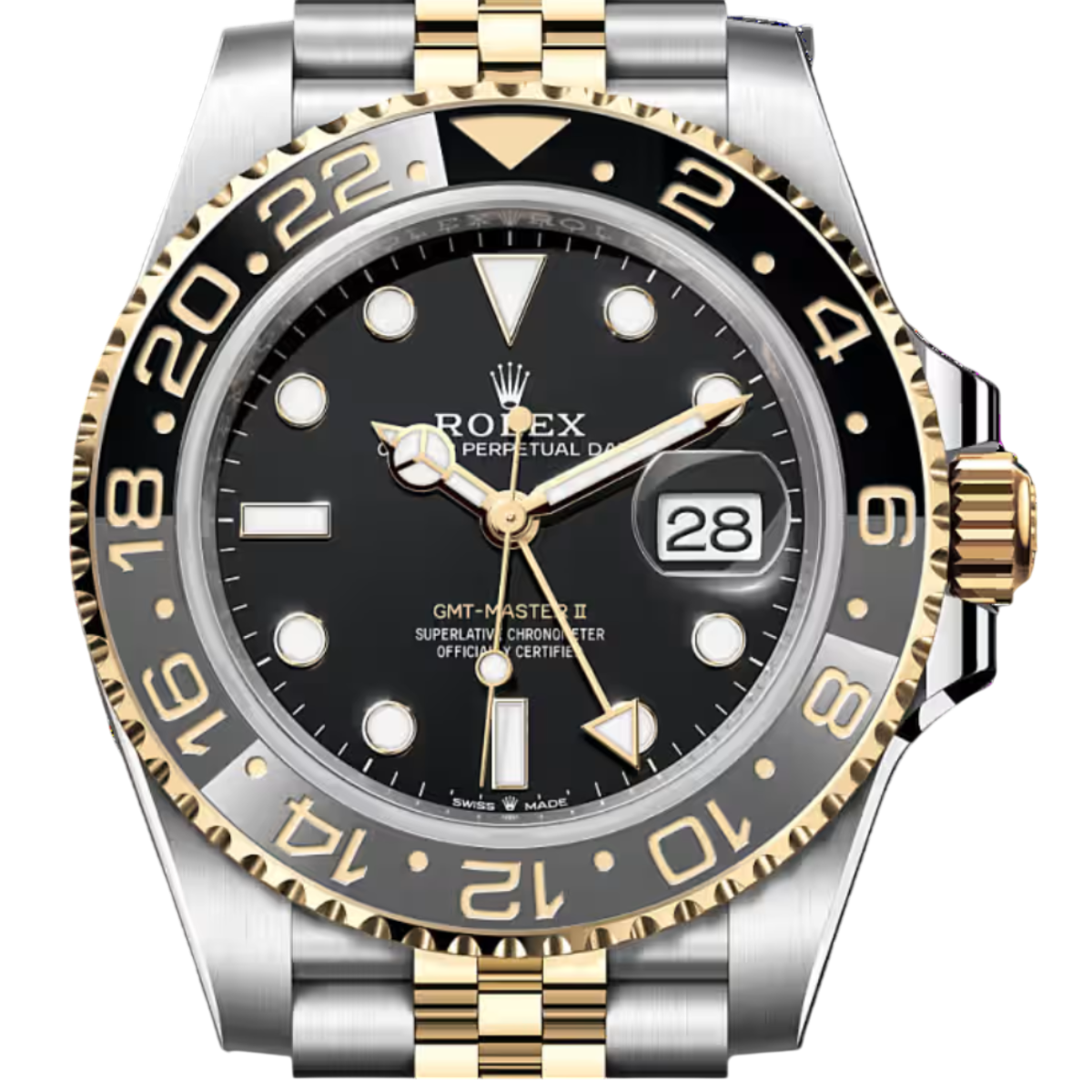
The GMT-Master II is the strongest all-round recommendation once the budget moves above £10,000. It combines a genuinely useful traveller GMT function with robust construction, familiar Rolex ergonomics and enough visual character to feel special every time it is worn.
The real strength is ownership balance. It is collectible without being too delicate, prestigious without requiring formal dress and mechanically useful rather than merely decorative. Steel references can be difficult to buy at retail, so the exact purchase price matters.
Few watches at this level combine practicality, status, liquidity and everyday wearability so completely.
Patek Philippe Calatrava
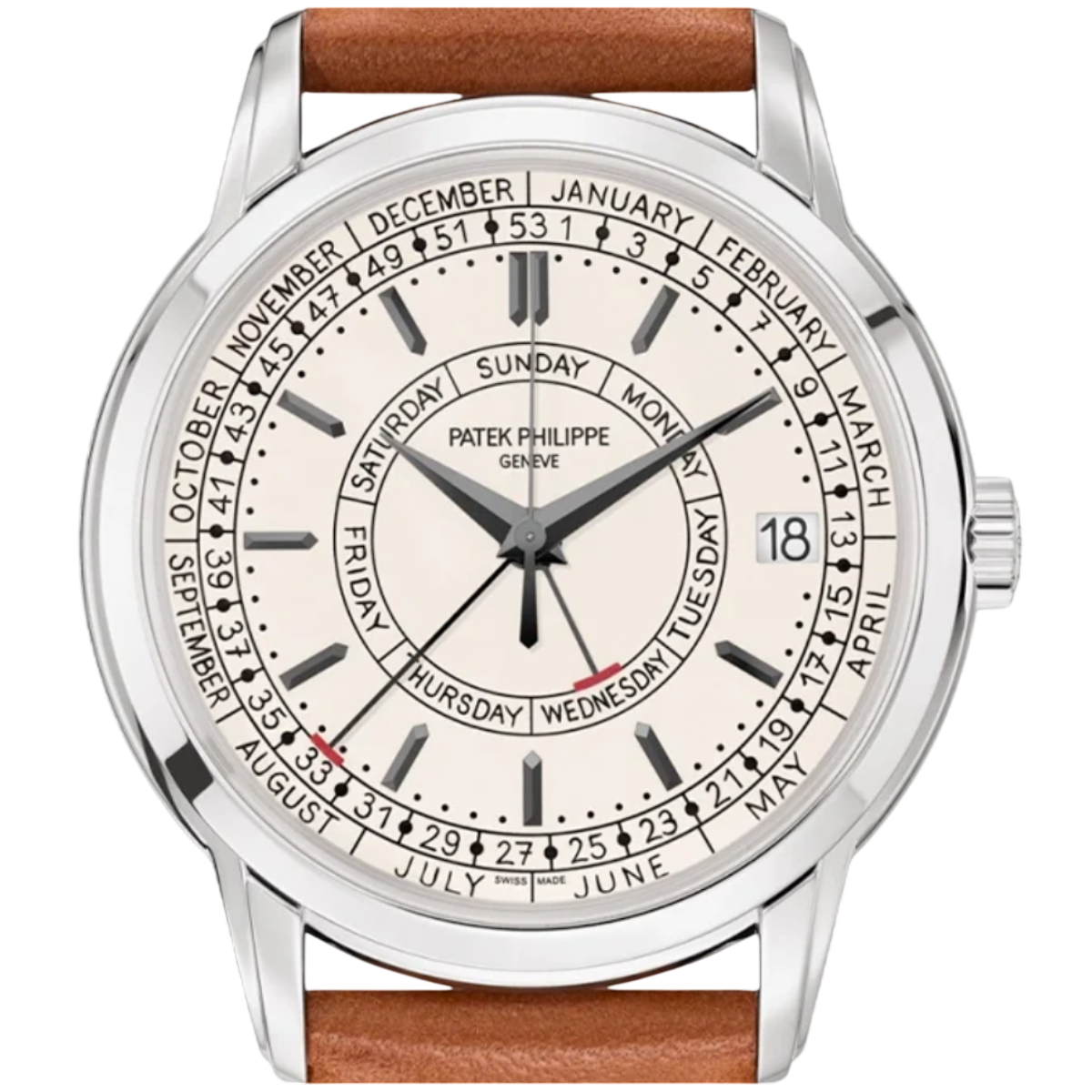
The Calatrava demonstrates why expensive watches do not need to be visually complicated. Thin precious-metal cases, disciplined dials and exceptional finishing create a watch whose appeal comes from proportion and detail rather than obvious spectacle.
It is not the right choice for buyers who want ruggedness or instant recognition. For someone seeking traditional high watchmaking in its most restrained form, however, few watches are more convincing.
It remains one of the clearest reference points for what a serious high-end dress watch should be.

Patek Philippe Nautilus
The Nautilus sits beyond normal specification-led comparisons. Its value is built around design significance, Patek Philippe finishing, scarcity and decades of collector mythology. That makes it both extraordinary and difficult to judge rationally.
As a watch, it remains remarkably elegant for a sports design. The case is slim, the bracelet flows naturally and the dial architecture has aged exceptionally well. The problem is not the watch itself, but the very high premium attached to owning one.
It is one of the defining high-luxury sports watches and a benchmark for the entire integrated-bracelet category.

Patek Philippe Aquanaut
The Aquanaut makes elite watchmaking feel unusually relaxed. Its composite strap and textured dial create a more casual personality than the Nautilus, while the movement, case finishing and overall execution remain unmistakably Patek Philippe.
That casual appearance can make the pricing seem especially difficult to justify, but the appeal is real. The Travel Time version adds genuine functionality and is arguably the strongest option for buyers who want the watch to earn its complexity.
It combines high-horology credibility with a level of everyday informality that very few watches at this price manage.

Patek Philippe Annual Calendar
The Annual Calendar is where high-end mechanical complexity becomes genuinely useful. It automatically accounts for months with 30 or 31 days and needs correction only once a year, offering meaningful sophistication without the full complexity of a perpetual calendar.
Different references vary considerably in personality, from classically balanced layouts to more contemporary aperture designs. The best examples show how Patek can make a complicated dial feel ordered rather than crowded.
It is one of the strongest examples of a prestigious complication that still makes sense for real ownership.
Rolex Day-Date
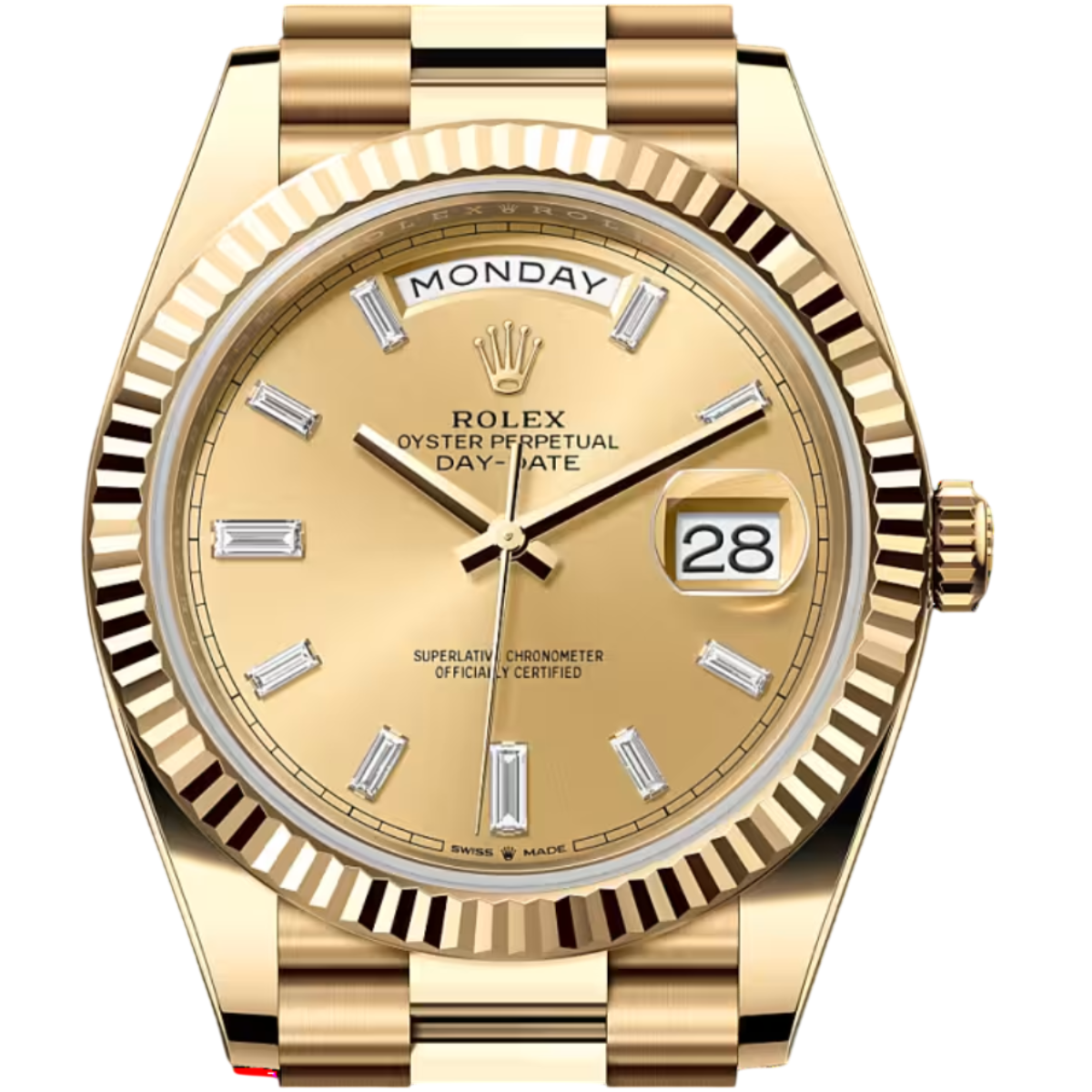
The Day-Date is Rolex at its most overtly luxurious. Produced only in precious metals and paired with the distinctive President bracelet, it has a level of visual authority that separates it clearly from the steel sports models.
Configuration matters enormously. Dial, metal, age and bracelet condition can alter both the personality and value of the watch. The strongest Day-Dates are chosen at reference level, not simply because the model name carries prestige.
It offers unmistakable Rolex identity, precious-metal substance and one of the most enduring luxury-watch silhouettes.
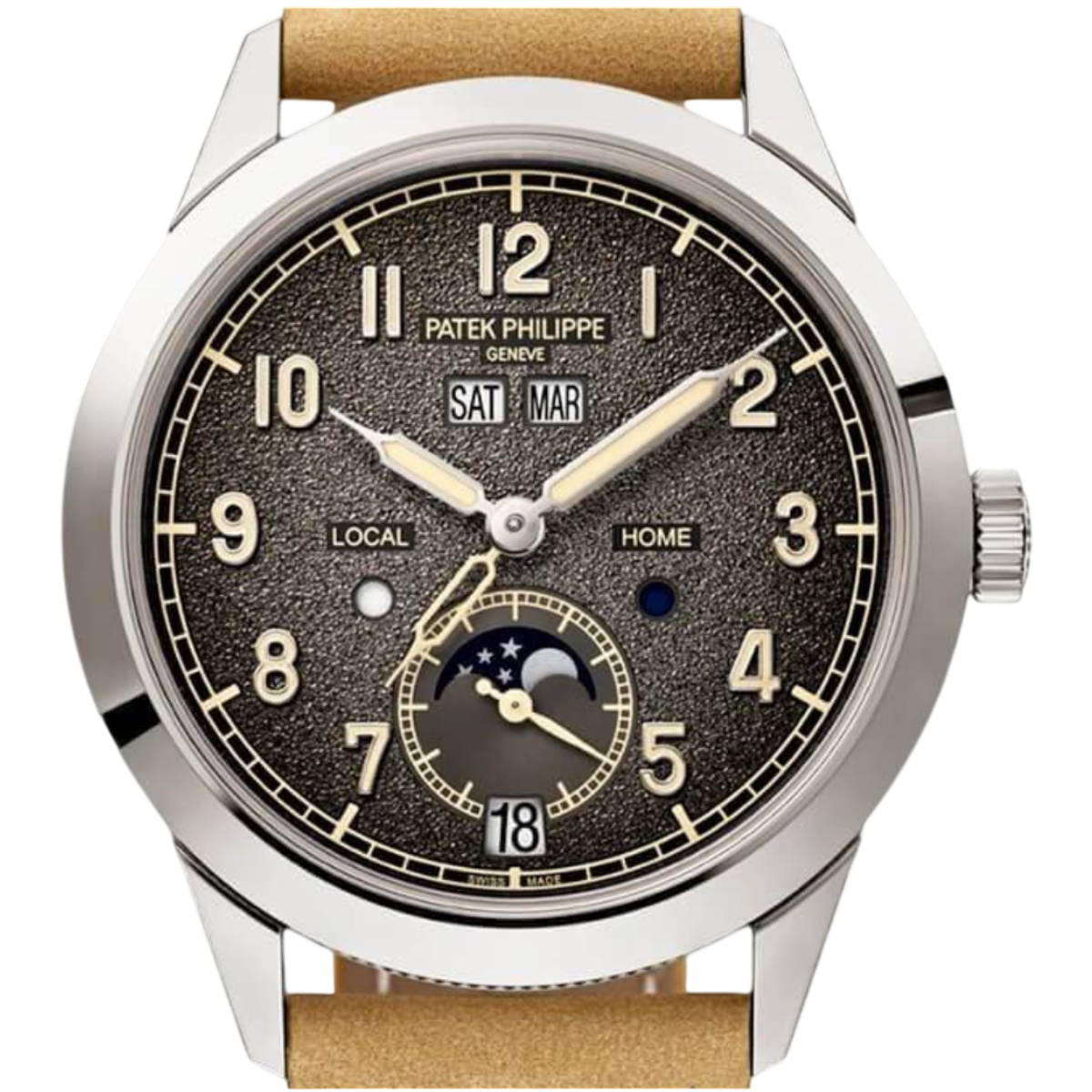
Patek Philippe World Time
The World Time turns global timekeeping into mechanical theatre. A city ring and 24-hour display allow multiple time zones to be read at once, giving the watch more visual and intellectual depth than a conventional GMT.
The strongest references remain elegant despite the additional information. Enamel-dial versions add another level of decorative craft and collector appeal, while standard modern models provide the cleanest route into the complication.
It combines genuine utility, historical significance and one of the most charismatic complications in high-end watchmaking.
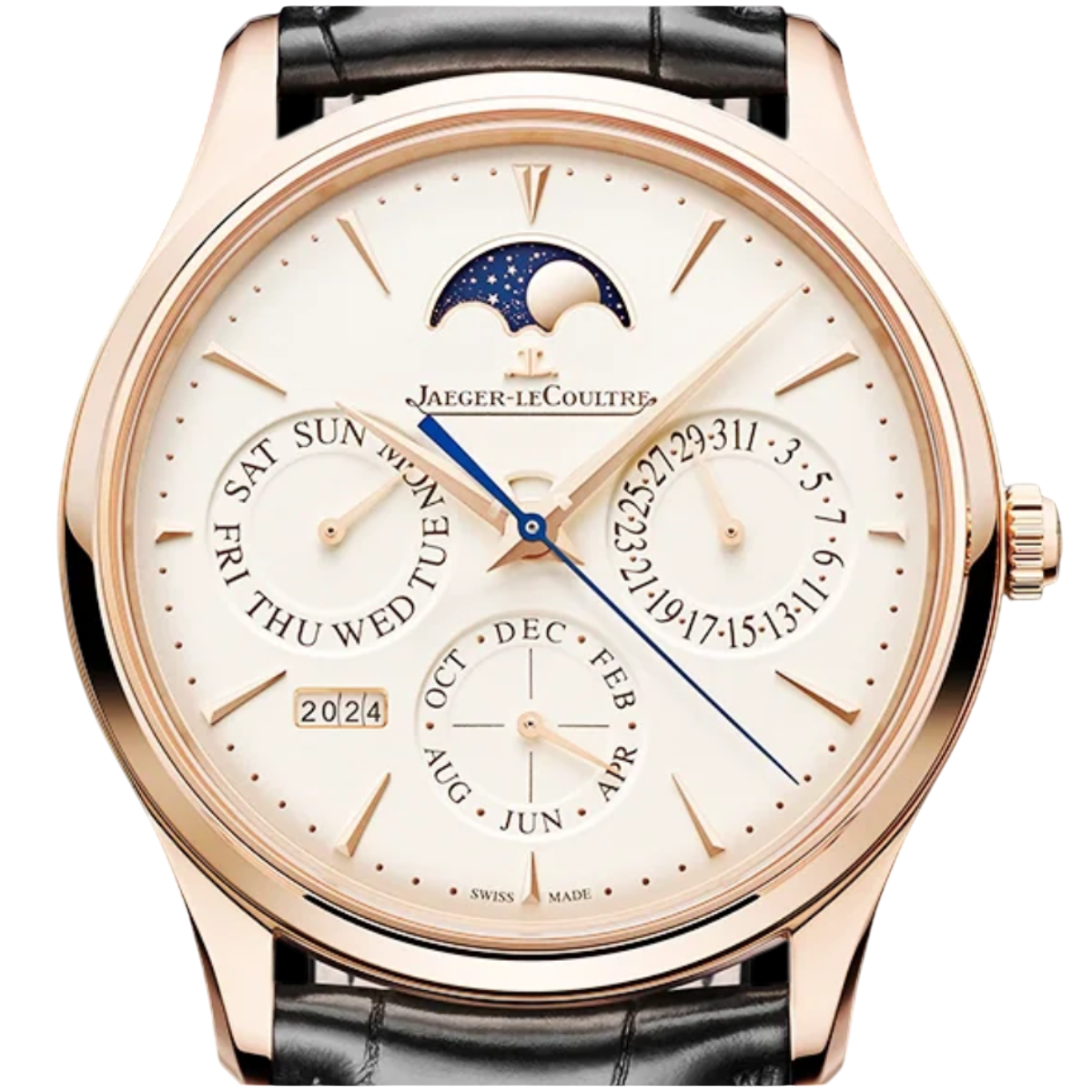
Jaeger-LeCoultre Master Ultra Thin
The Master Ultra Thin is the least status-driven choice here. Its appeal comes from slim proportions, manufacture movement credibility and a restrained design language that rewards close inspection rather than immediate recognition.
The Date and Moon versions sit lower in the range, while perpetual calendar and tourbillon references push the collection firmly above £10,000. Those higher-complication models show just how much mechanical content Jaeger-LeCoultre can package into an elegant case.
It is the strongest option here for buyers who want serious watchmaking depth without buying primarily for social recognition.
How we chose.
Above £10,000, specification alone becomes a poor way to judge value. We looked at whether each watch offers something genuinely difficult to replicate at a lower price.
Horological Substance
Movement architecture, complication, finishing and technical credibility should justify at least part of the premium.
Design Significance
The watch should have a clear identity with enduring relevance rather than relying entirely on price or rarity.
Ownership Quality
Wearability, servicing, robustness, practicality and how often the watch can realistically be enjoyed all matter.
Collector Depth
Reference history, provenance, scarcity and long-term desirability become more important as prices rise.
At-a-glance comparison.
| Watch | Approx. Price | Size | Best For | Key Strength |
|---|---|---|---|---|
| Rolex GMT-Master II | £10,000–£25,000+ | 40mm | Best all-rounder | Travel utility and ownership |
| Patek Philippe Calatrava | £18,000–£35,000+ | 37–40mm | Dress watch | Proportion and finishing |
| Patek Philippe Nautilus | £70,000+ | 40–41mm | Luxury sports | Design and collector status |
| Patek Philippe Aquanaut | £45,000–£120,000+ | 38.8–42.2mm | Casual high horology | Wearability and scarcity |
| Patek Philippe Annual Calendar | £35,000–£80,000+ | 38–41mm | Useful complication | Mechanical practicality |
| Rolex Day-Date | £25,000–£70,000+ | 36mm / 40mm | Precious-metal prestige | Recognition and presence |
| Patek Philippe World Time | £35,000–£100,000+ | 38.5–40mm | Travel collectors | Complication theatre |
| JLC Master Ultra Thin | High complications to £30,000+ | 39mm | Quiet high horology | Thinness and restraint |
Buying advice.
Buy the reference, not the reputation
At this level, two watches with the same model name can differ dramatically in value, desirability and long-term significance.
Do not confuse scarcity with quality
Waiting lists and market premiums can make a watch feel important. They do not automatically make it a better watch.
Condition becomes expensive
Case polishing, dial originality, bracelet wear, service history and missing papers can materially alter the value of a high-end watch.
Understand servicing before buying
Complicated movements and precious-metal cases can bring substantial service costs. Budget for ownership, not just acquisition.
Compare retail and secondary pricing
For scarce models, the gap between official retail and realistic market price can be enormous. Know which price you are actually judging.
Wearability still matters
An extraordinary watch that feels too precious, too conspicuous or too formal to wear may be a worse ownership choice than a simpler one.
Frequently asked questions.
The Rolex GMT-Master II is our best overall choice because it combines genuine travel functionality, robust everyday construction, strong design identity and exceptional long-term desirability.
Not automatically. Above £10,000, extra cost increasingly reflects precious metals, complication, hand finishing, scarcity, brand prestige and collector demand rather than a simple increase in durability or accuracy.
Both routes can make sense. New purchases offer the clearest warranty and provenance, while pre-owned buying can open access to discontinued or otherwise unavailable references. Authentication, condition and seller reputation become especially important at this level.
Prioritise the exact reference, condition, movement, wearability and long-term appeal. Do not assume the highest-status brand or most expensive option will provide the best ownership experience.
The Jaeger-LeCoultre Master Ultra Thin is our quietest recommendation, while the Patek Philippe Calatrava offers greater prestige in an equally restrained format.
Continue your research.



Above £10,000, judgement matters more than budget.
The Rolex GMT-Master II is our strongest overall recommendation because it remains easy to wear, genuinely useful and highly desirable. Beyond that, the right choice depends on what you want the extra money to buy: the Calatrava offers purity, the Nautilus design status, the Annual Calendar complication and the Master Ultra Thin restraint.