The Most Versatile Watch Styles.
Some watches work across almost every environment. The reasons are more structural than aesthetic.
Versatility is not about a watch being invisible. It is about a watch having enough balance to move between different parts of life without needing to be explained.
The most versatile watches are not always the most technically advanced, the most expensive, or the most famous. They are the watches that work with a shirt, a jacket, knitwear, denim, travel clothes and weekend casualwear without feeling out of place.
This is why versatility is harder than it looks. A watch can be beautiful in isolation and still be difficult to wear often. It may be too thick, too polished, too formal, too sporty, too colourful or too visually specific.
The best versatile watch styles usually sit between categories. They borrow enough refinement from dress watches, enough robustness from sports watches and enough restraint from classic design to work across different settings.
1. Everyday sports watches are the modern default.
The everyday sports watch has become the dominant versatile watch style because it solves several problems at once. It is robust enough for daily wear, casual enough for relaxed clothing and refined enough to sit comfortably with smarter outfits.
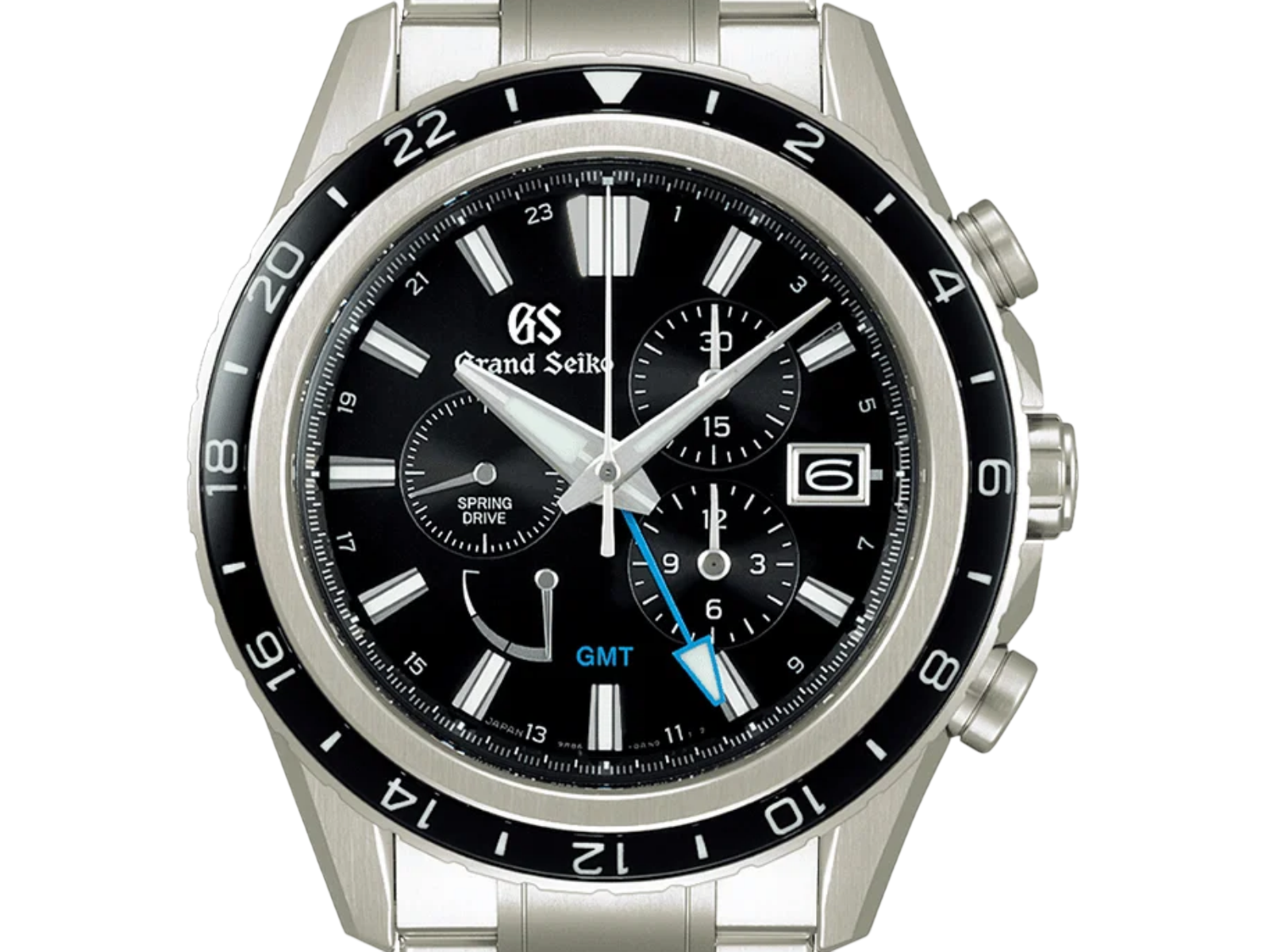
Watches such as the Rolex Explorer, Omega Aqua Terra, Tudor Black Bay 58 and Grand Seiko sport models succeed because they avoid extremes. They are not pure dress watches, but they are not overly aggressive tool watches either.
The key is proportion. Moderate case sizes, restrained dials, practical water resistance and bracelets that do not dominate the wrist all help this style work almost anywhere.
2. Simple steel watches remain the safest choice.
Stainless steel remains the most versatile material because it is visually neutral. It works with dark tailoring, casual outerwear, denim, knitwear and almost every colour palette.
Steel also ages naturally. Light scratches and softened edges usually make a steel watch feel more personal rather than less attractive. That makes it easier to wear regularly without treating it as overly precious.
The safest versatile watches tend to avoid excessive polishing, unusually bright dial colours and overly complicated bezels. They rely on shape, proportion and finishing rather than spectacle.
“The most versatile watch is rarely the most dramatic one. It is the one you keep reaching for.”
3. Strap flexibility expands a watch’s range →
A watch that works well on multiple straps is usually far more versatile than one locked into a single visual identity.
Leather can make a sports watch feel more relaxed or refined. A bracelet can make a simple watch feel more practical. Rubber can push a watch toward travel, summer and casual use. The ability to move between those moods is a major advantage.
Lug shape and case design matter here. Some watches look natural on almost anything, while others only really work on their original bracelet. For buyers who want one watch to cover many situations, strap compatibility is worth taking seriously.
4. True versatility comes from restraint.
A versatile watch has to leave room for the rest of the outfit. It should add presence without taking control.
This is why restrained dial colours — black, silver, white, grey, navy and muted blue — usually work better than louder tones. The same applies to case finishing. A mixture of brushed and polished surfaces can be elegant, but excessive shine often reduces everyday flexibility.
The most versatile watch styles are usually the ones that feel calm. They do not need to be plain, but they should be balanced enough to survive changing outfits, contexts and moods.
What works best
- Moderate case sizes between roughly 36mm and 41mm.
- Stainless steel cases and bracelets.
- Restrained dial colours such as black, white, silver, grey or navy.
- Balanced case finishing rather than excessive polishing.
- Strong strap compatibility.
- Enough water resistance for everyday confidence.
- Designs that sit between dress, sport and casual wear.