Jaeger-LeCoultre versus Cartier
Jaeger-LeCoultre and Cartier occupy neighbouring but distinct territories in luxury watchmaking. Jaeger-LeCoultre is the more technically driven manufacture, known for movement depth, complications and discreet high horology. Cartier is the stronger design house, with a peerless archive of shaped watches and a visual language recognised far beyond traditional watch collecting.
Choose Jaeger-LeCoultre for movement pedigree, mechanical depth and understated haute horlogerie. Choose Cartier for iconic design, stronger cultural recognition and watches that communicate elegance immediately.


Which brand wins where?
Jaeger-LeCoultre wins when traditional watchmaking depth is the priority. Cartier wins when design, recognisability and everyday elegance matter most.
Jaeger-LeCoultre and Cartier at a glance.
One is often described as a watchmaker’s watchmaker; the other is one of the most influential design houses in the history of the wristwatch.
Jaeger-LeCoultre
Manufacture depthCartier
Design authorityThe watchmaker’s manufacture versus the designer’s maison.
Jaeger-LeCoultre begins with mechanical possibility and technical architecture. Cartier begins with shape, proportion and the cultural meaning of the object on the wrist.
The movement as the foundation of the watch.
Jaeger-LeCoultre’s identity rests on deep in-house capability. Even its restrained watches feel connected to a broader tradition of ultra-thin calibres, alarms, calendars, repeaters and multi-axis complications.
- Exceptional breadth of manufacture movement expertise
- Strong tradition of rectangular and reversible watchmaking
- Complications presented with restraint and balance
- Prestige that is more enthusiast-led than publicly visible
The watch as architecture, style and cultural expression.
Cartier’s greatest watches are defined by line, geometry and proportion. Roman numerals, cabochon crowns and shaped cases create a visual language that remains recognisable even when the movement is deliberately simple.
- One of the strongest shaped-watch archives in luxury
- Designs that move naturally between formal and everyday wear
- Exceptional recognition beyond dedicated watch collecting
- Luxury communicated through elegance rather than specification
The closest head-to-head comparisons.
These are not always direct technical equivalents. They are watches likely to compete for the same buyer, role or place within a collection.
Jaeger-LeCoultre Reverso Classic
The Reverso is the more mechanically and structurally ambitious rectangular watch. Its reversible case, strong Art Deco geometry and manufacture pedigree give it exceptional collector credibility.

Cartier Tank Must
The Tank is simpler but culturally broader. Its case shape, Roman numerals and restrained proportions make it one of the most enduring and immediately recognisable dress watches ever created.
Choose the Reverso for mechanical substance, ingenuity and collector appeal. Choose the Tank for purity, cultural recognition and effortless elegance. Jaeger-LeCoultre wins as watchmaking; Cartier wins as design.
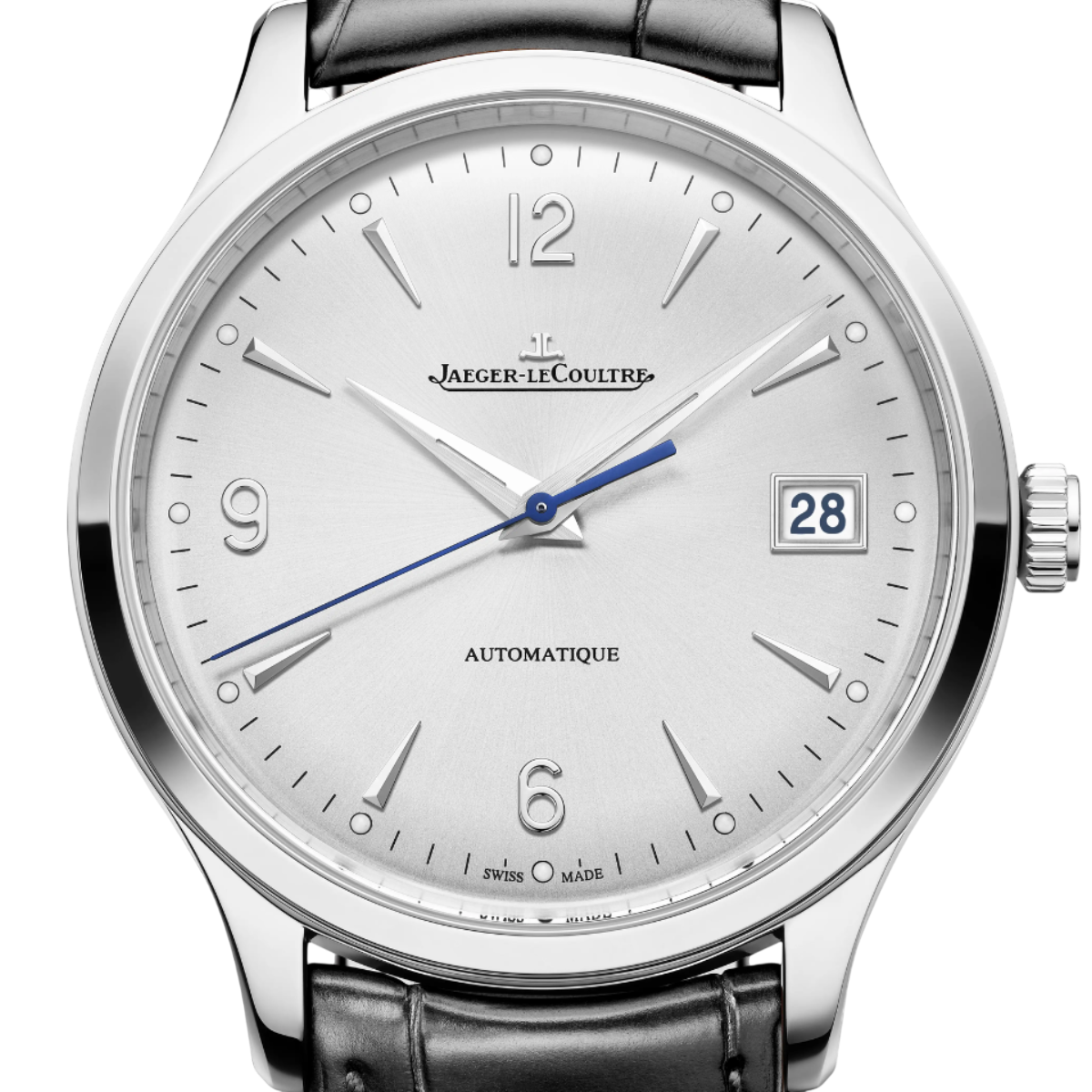
Jaeger-LeCoultre Master Control Date
The Master Control Date is the more traditional and mechanically focused everyday luxury watch. It offers balanced proportions, discreet finishing and a manufacture calibre without drawing attention to itself.
Cartier Santos
The Santos is more visual, more recognisable and more adaptable in style. Its square case, exposed screws and integrated bracelet create a distinctive design that works with both smart and casual clothing.
Choose the Master Control for movement pedigree, restraint and traditional watchmaking. Choose the Santos for personality, versatility and stronger visual identity. Cartier is easier to recognise; Jaeger-LeCoultre is easier to admire technically.

Jaeger-LeCoultre Reverso Tribute
The Reverso Tribute is the more horologically expressive choice. Its manual-wind movement, sharply defined dial and reversible architecture create a tactile, enthusiast-led ownership experience.

Cartier Santos-Dumont
The Santos-Dumont is lighter, simpler and more delicate. It turns early aviation history into an elegant dress watch whose refinement comes from proportion rather than complication.
The Reverso Tribute is the stronger enthusiast’s watch. The Santos-Dumont is the purer expression of visual elegance. Jaeger-LeCoultre offers more mechanical engagement; Cartier offers greater ease and stylistic clarity.
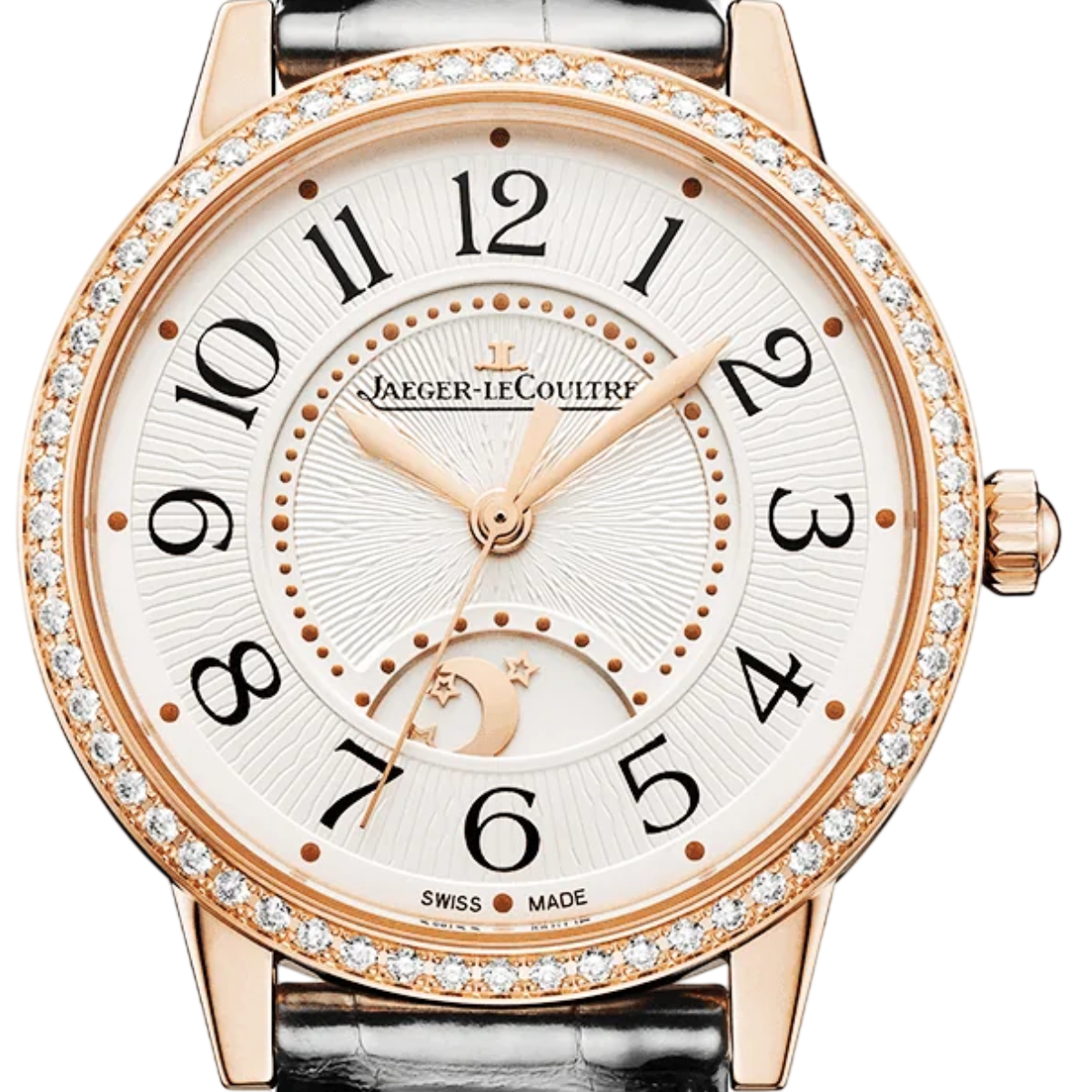
Jaeger-LeCoultre Rendez-Vous
The Rendez-Vous places serious watchmaking inside a softer and more decorative case. It is the more technically ambitious choice, particularly in references with calendars, moon phases or more elaborate finishing.
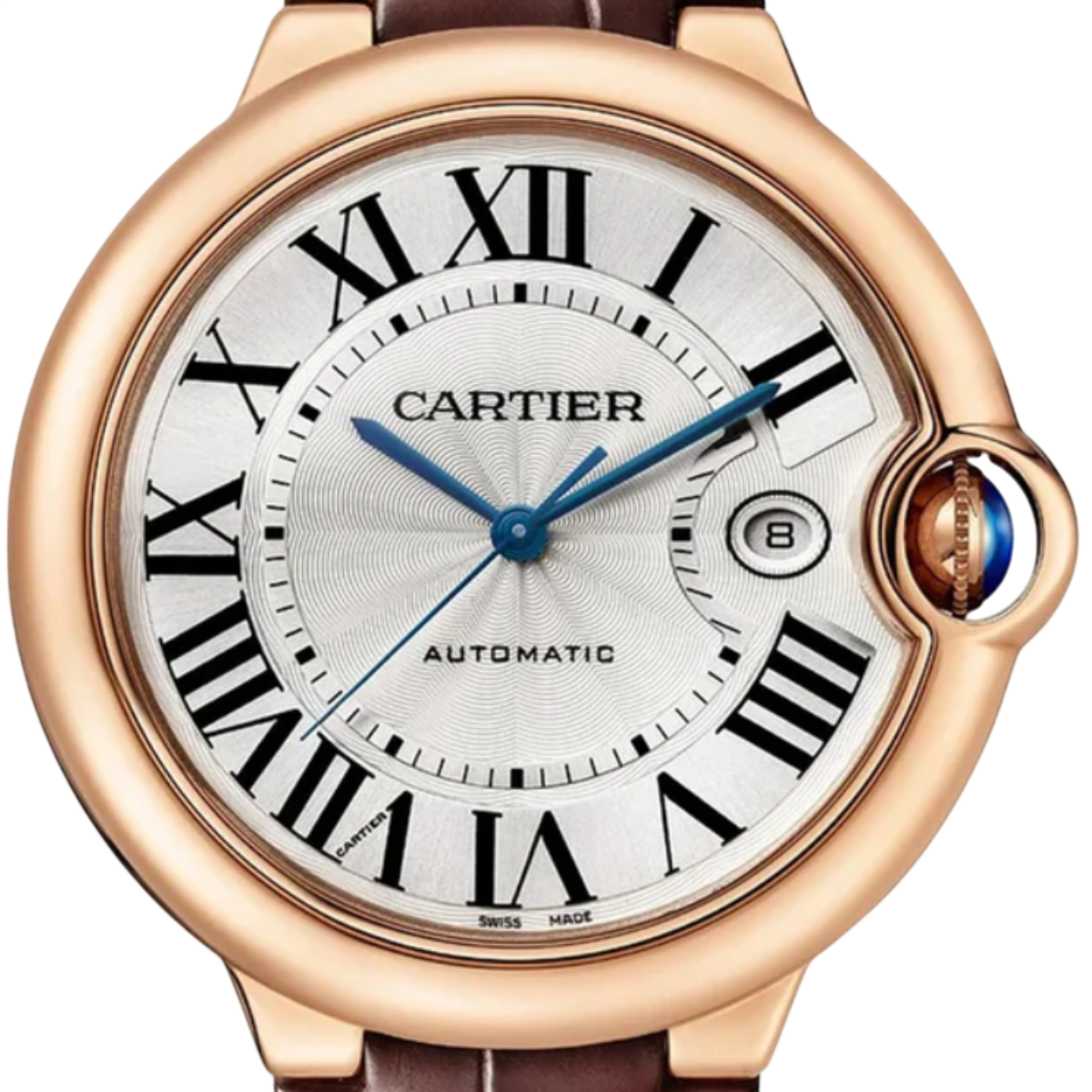
Cartier Ballon Bleu
The Ballon Bleu is more sculptural and immediately legible as a Cartier. Its rounded case and integrated crown guard make it a design-led luxury watch with broad appeal across sizes and movement types.
Choose the Rendez-Vous for movement depth and horological substance. Choose the Ballon Bleu for stronger design identity and wider stylistic appeal. Jaeger-LeCoultre offers more inside; Cartier communicates more outside.
How the brands compare by category.
These scores assess each maison as a complete modern luxury-watch proposition. Individual references may perform differently.
Which brand is right for you?
The central choice is between mechanical depth that reveals itself gradually and design authority that is immediately understood.
You want discreet high horology.
Jaeger-LeCoultre offers serious movement expertise and collector credibility without the visibility of more obvious prestige brands.
- You care about manufacture calibres and technical history
- You want complications presented with restraint
- You prefer specialist recognition to broad public status
- You value the Reverso as both design and engineering
You want design to lead the experience.
Cartier’s watches communicate identity through shape, proportion and cultural memory. They require less explanation and often work more naturally as objects of personal style.
- You prefer rectangular, square or sculptural case shapes
- You want stronger recognition beyond watch enthusiasts
- You value elegance more than maximum mechanical specification
- You want a watch that integrates easily with formal style
The winner for six common buyers.
Cartier
More immediately accessibleJaeger-LeCoultre
Clear manufacture advantageDraw
Reverso or TankJaeger-LeCoultre
Greater mechanical depthCartier
Stronger visual identityJaeger-LeCoultre
More specialist appealDurability, servicing and resale.
Both maisons offer established service support, but ownership varies significantly by movement, case design and complication.
Daily durability
Cartier has several highly wearable everyday options, especially the Santos. Many Jaeger-LeCoultre models are also practical, but delicate finishing and more complicated movements may encourage greater care.
Servicing
Simple automatic and quartz Cartier watches can be relatively straightforward to own. Jaeger-LeCoultre’s more complicated movements may require specialist servicing and higher maintenance costs.
Resale
Cartier icons such as the Santos and Tank generally benefit from broader recognition. Jaeger-LeCoultre resale varies more by model, making the original purchase price especially important.
Jaeger-LeCoultre vs Cartier: common questions.
Jaeger-LeCoultre is generally stronger for manufacture movements, complications and traditional high horology. Cartier is stronger for iconic design, cultural recognition and shaped-watch variety.
Jaeger-LeCoultre often carries greater specialist prestige among watch enthusiasts, while Cartier has broader recognition as a global luxury maison. The answer depends on whether watchmaking depth or cultural status matters more.
The Reverso offers greater mechanical and structural complexity through its reversible case and manufacture pedigree. The Tank is simpler, more widely recognised and arguably purer as a design object.
Cartier generally benefits from broader recognition across models such as the Santos and Tank. Jaeger-LeCoultre resale is more reference-dependent, though important Reverso and complicated models can remain highly desirable.
Cartier is usually the easier first luxury watch because its designs are immediately recognisable and available across a broad range of sizes and movements. Jaeger-LeCoultre is better for a buyer already prioritising mechanical depth and collector appeal.
Yes. Cartier produces manufacture mechanical watches as well as quartz and standard automatic models. Its identity is more design-led than Jaeger-LeCoultre’s, but that does not make its mechanical watchmaking insignificant.
Jaeger-LeCoultre wins as watchmaking. Cartier wins as design.
Jaeger-LeCoultre is the stronger horological proposition. Its manufacture depth, movement history and complication expertise make it the more compelling choice for buyers who judge the watch from the inside out.
Cartier offers a different kind of permanence. The Tank, Santos and Santos-Dumont are not merely alternatives to technically superior watches; they are foundational designs whose cultural authority exceeds their specifications. For many buyers, Cartier will be the more wearable, recognisable and emotionally immediate choice.