Vintage
Jaeger-LeCoultre
From the Vallée de Joux manufacture and miniature calibres to the Reverso, Memovox, Geophysic and Polaris: the collector’s guide to Jaeger-LeCoultre’s defining eras.
Vintage Jaeger-LeCoultre combines technical depth with extraordinary design range. The Maison could produce a tiny jewellery-watch movement, a scientific chronometer, an alarm diver and an Art Deco icon without losing its identity as a true manufacture.
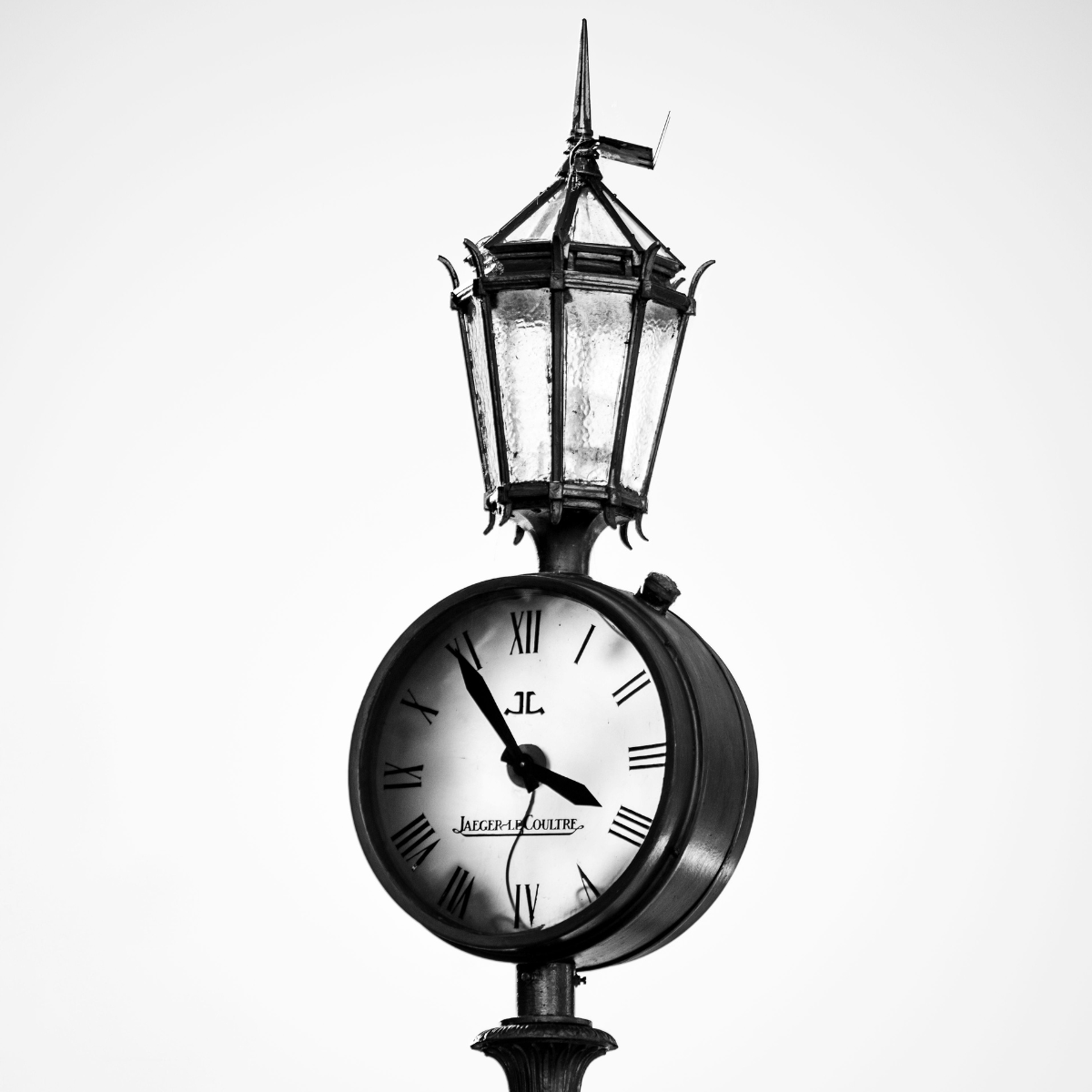
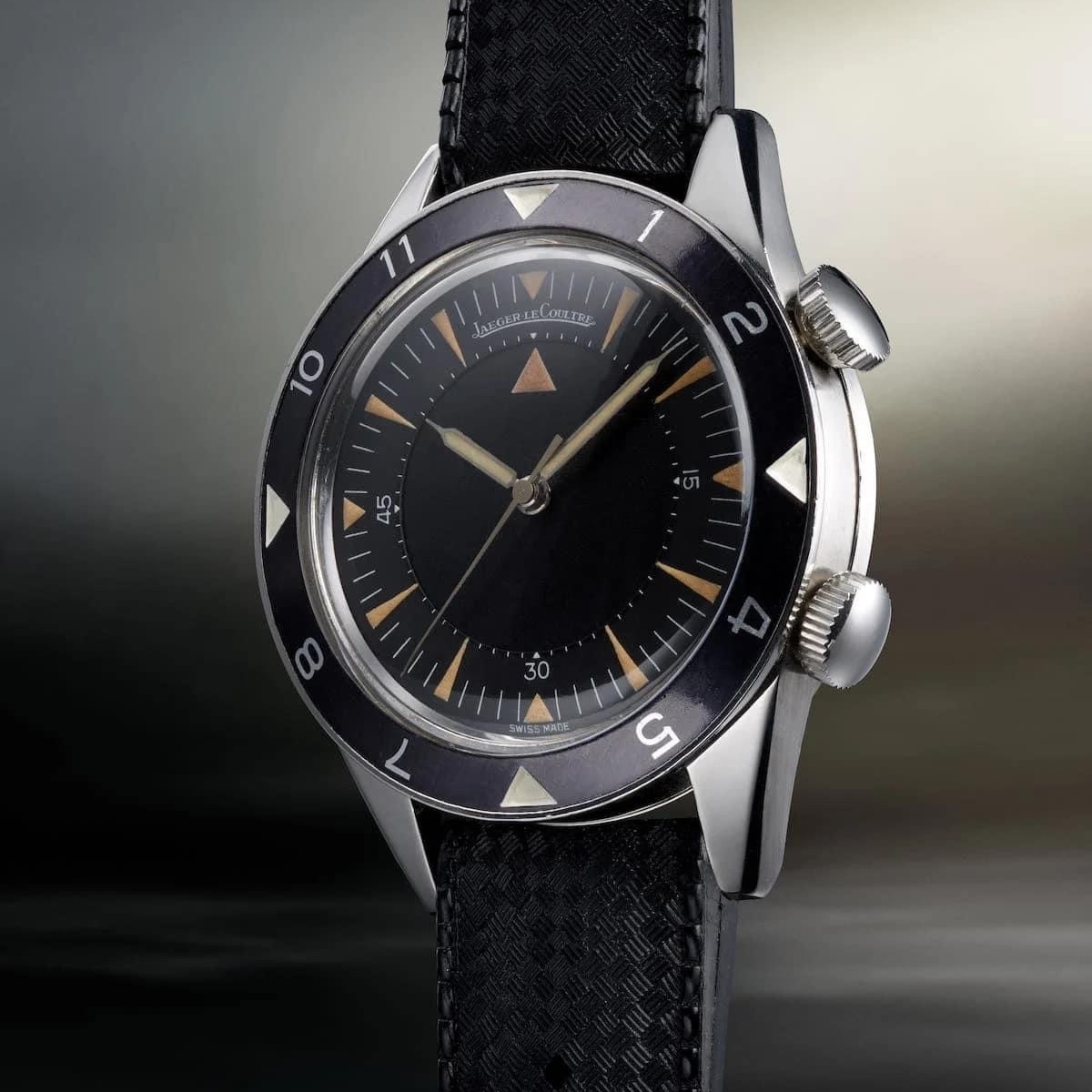
The watchmaker’s watchmaker.
Jaeger-LeCoultre occupies a special place in Swiss watchmaking because its identity begins with movements. From Antoine LeCoultre’s early precision tools to the Maison’s later complicated calibres, the manufacture built technical expertise that supplied and influenced some of the most prestigious names in horology.
Yet the vintage catalogue is not merely a history of mechanisms. The Reverso transformed a practical sporting brief into an Art Deco design icon, while the Memovox turned an alarm into a charming everyday complication. Geophysic chronometers, Futurematics, Deep Sea alarms and Polaris divers reveal a company willing to reinvent both form and function.
For collectors, that range is the opportunity and the challenge. The most compelling watches may be famous icons, obscure references or seemingly simple dress models whose significance lies in their calibre, case maker or surviving dial.
Vintage Jaeger-LeCoultre is where mechanical invention and visual imagination repeatedly meet.
The quick collector’s view
Most recognisable
The Reverso: a reversible sporting watch that became one of the defining designs of the 20th century.
Connoisseur choice
A sharp Geophysic, early Futurematic or correctly configured Memovox Deep Sea with documented history.
Best entry point
Selected manual-wind dress watches, classic Memovox references and later vintage Reversos in honest condition.
From precision atelier to complete manufacture.
Jaeger-LeCoultre’s history begins in 1833, when Antoine LeCoultre established a workshop in Le Sentier. His pursuit of precision produced new tools, measuring devices and movement architecture, helping transform a family atelier into a vertically integrated manufacture.
The later collaboration between LeCoultre and Parisian watchmaker Edmond Jaeger broadened that technical culture into a distinctive design language. The resulting Maison became capable of creating movements, cases, complications, clocks and finished watches under one roof.
Antoine LeCoultre establishes his workshop
In the Vallée de Joux, Antoine LeCoultre begins producing precision watch components and developing tools intended to improve accuracy and repeatability.
Measurement and keyless winding
The Millionometer advances microscopic measurement, while LeCoultre develops a crown-winding system that removes the need for a separate key. Both inventions reflect the manufacture’s practical approach to innovation.
Complications and manufacture scale
LeCoultre & Cie develops increasingly complicated pocket-watch movements and grows into one of the Vallée de Joux’s most important movement specialists.
Edmond Jaeger and a new identity
Edmond Jaeger challenges Swiss makers to create ultra-thin calibres, and Jacques-David LeCoultre responds. Their collaboration ultimately gives rise to the Jaeger-LeCoultre name.
Miniaturisation, Atmos and Reverso
The Duoplan, calibre 101 and Atmos demonstrate mastery of small-scale and unconventional mechanisms. In 1931, the Reverso adds an ingenious swivelling case and enduring Art Deco form.
Alarm watches, chronometers and sport
Memovox alarms, automatic Futurematics, Geophysic chronometers and specialist diving watches show the manufacture addressing modern travel, science and professional use.
Revival and modern complication
The Reverso returns as appreciation for Art Deco grows, while new complications and the 1,000 Hours Control programme prepare the manufacture for its modern era.
A Jaeger-LeCoultre timeline.
The Maison’s major milestones trace a recurring interest in precision, miniaturisation and useful complication. Measuring tools, ultra-thin calibres, reversible cases, alarms and scientific chronometers all emerged from the same culture of experimentation.
The dates below identify broad historical landmarks rather than every calibre or reference variation. Individual watches should still be researched separately before purchase.
The atelier is founded
Antoine LeCoultre establishes his watchmaking workshop in Le Sentier.
The Millionometer
A precision measuring instrument allows dimensions to be read at microscopic scale.
Keyless winding
LeCoultre develops a system for winding and setting a watch through the crown.
Grand complication
The manufacture demonstrates its growing command of highly complicated pocket watches.
Jaeger meets LeCoultre
Edmond Jaeger’s ultra-thin movement challenge begins the collaboration with Jacques-David LeCoultre.
Duoplan
A two-level movement architecture combines compact dimensions with improved performance.
Atmos
Jean-Léon Reutter’s temperature-powered clock concept is developed and later brought to market by Jaeger-LeCoultre.
Calibre 101
The exceptionally small mechanical calibre becomes a landmark of miniaturisation.
Reverso
A swivelling case is created to protect the watch during polo while expressing the geometry of Art Deco.
Memovox
The mechanical alarm watch gives the post-war wearer a practical audible reminder.
Geophysic Chronometer
A highly precise anti-magnetic watch is created in association with the International Geophysical Year.
Memovox Polaris
A large water-resistant alarm diver brings professional function and dramatic compressor-case design together.
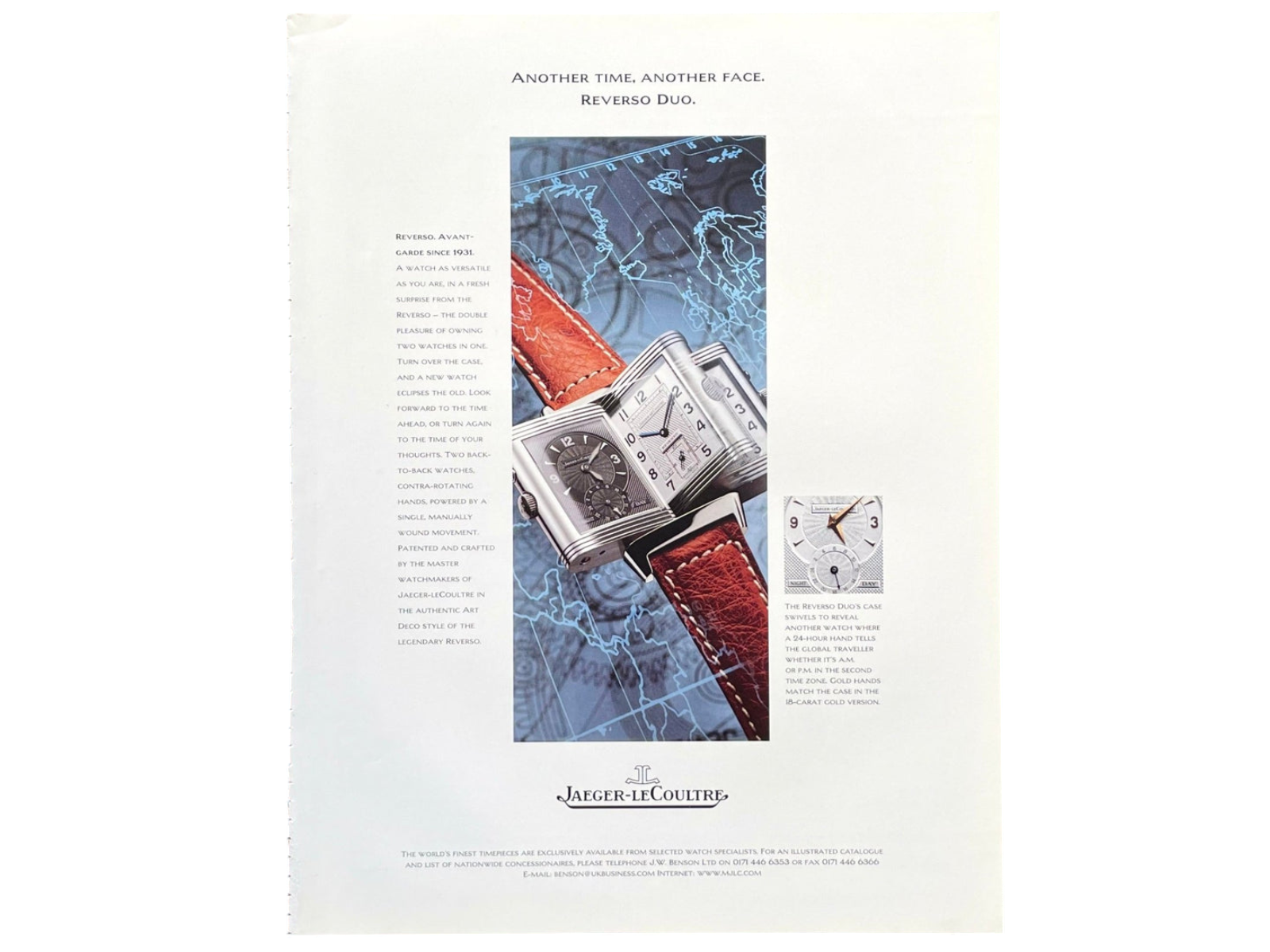
The manufacture in print.
Period advertising reveals how Jaeger-LeCoultre presented useful complications, precision and design ingenuity before vintage watches became collector commodities.
The four vintage eras.
Vintage Jaeger-LeCoultre is easier to understand when divided by the manufacture’s changing technical priorities. The catalogue moves from component and pocket-watch expertise to interwar experimentation, post-war functional complication and late-century revival.
Each era brings different signatures, calibre families, case constructions and collecting risks. Establishing the period first makes it easier to judge whether a watch is coherent and fairly valued.
The LeCoultre manufacture
Tools, pocket-watch movements and complicated calibres establish the Vallée de Joux workshop as a major technical supplier.
Miniaturisation and Art Deco
The Jaeger collaboration, Duoplan, calibre 101, Atmos and Reverso create the foundation of the modern Maison.
The post-war golden age
Memovox, Futurematic, Geophysic and specialist sports watches combine technical confidence with exceptional design variety.
Experiment and revival
Bold Polaris designs, quartz-era adaptation, Reverso revival and renewed complication expertise shape later vintage collecting.
Six important vintage Jaeger-LeCoultres.
This is not a complete reference catalogue. It is a map of the families that best explain vintage Jaeger-LeCoultre: the Reverso, Memovox, Futurematic, Geophysic, Deep Sea Alarm and Memovox Polaris.
Each family demands different knowledge. Dial signatures, case construction, alarm components, crowns, calibre variants and regional branding can all affect authenticity and value.
 R
REarly Reverso
The defining Jaeger-LeCoultre design: a reversible rectangular case created for sport and transformed into an Art Deco icon.
 MV
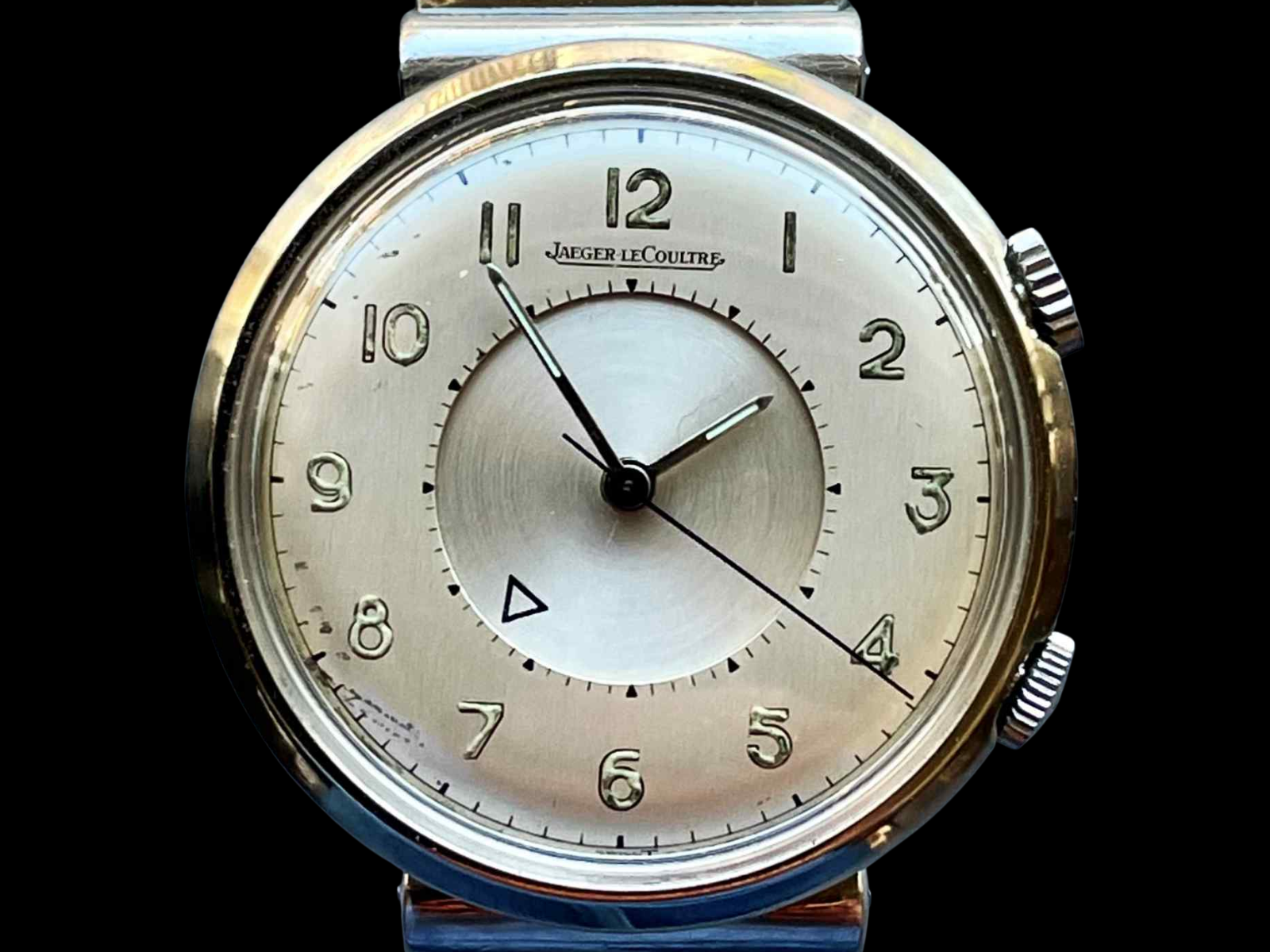
MVMemovox
A charming and useful alarm watch produced in numerous manual-wind and automatic configurations across several decades.
 F
FFuturematic
A technically distinctive automatic watch with no conventional winding crown visible on the side of the case.
 G
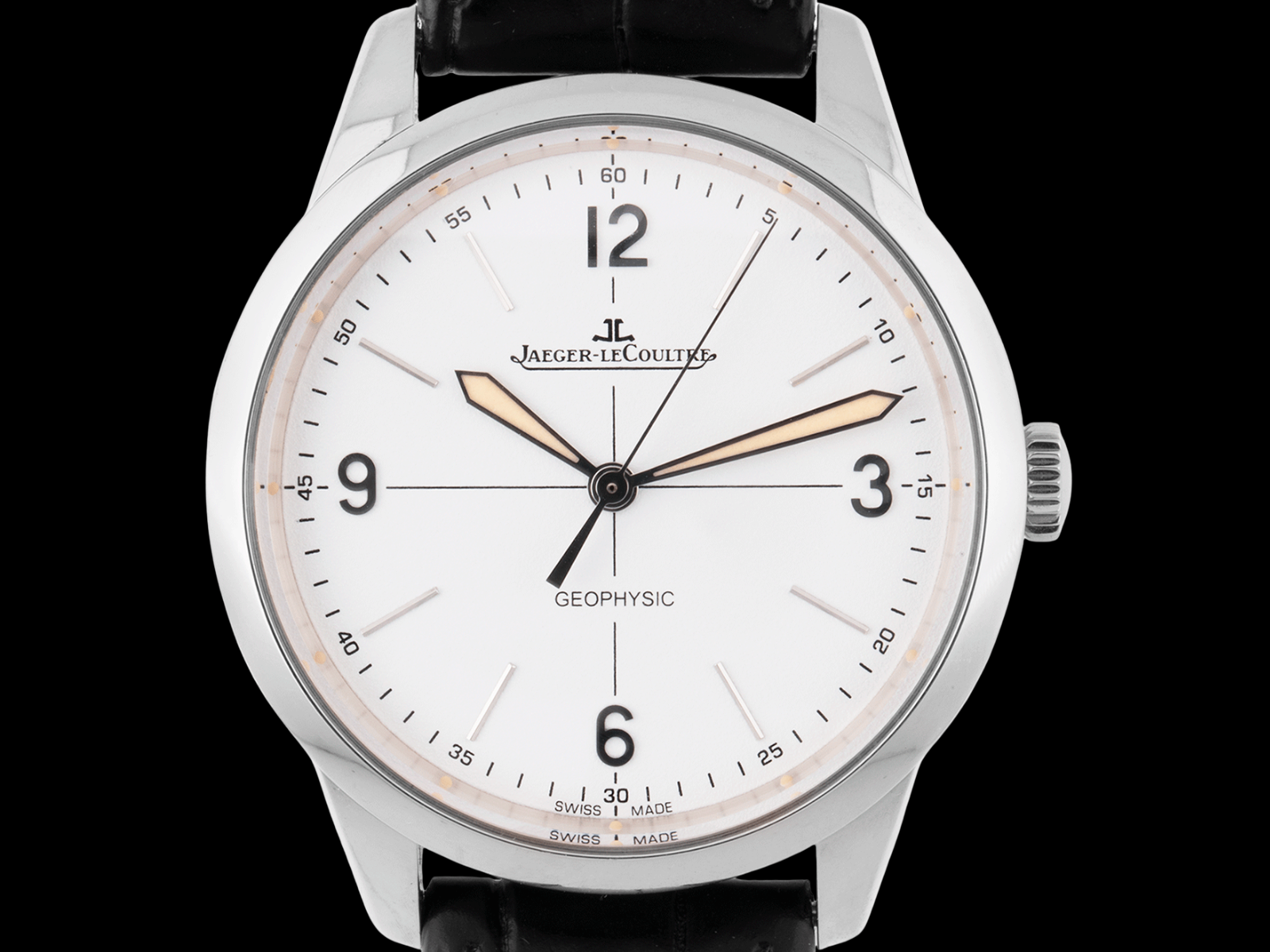
GGeophysic Chronometer
A rare scientific chronometer combining anti-magnetic construction, restrained design and important historical context.
 DSA
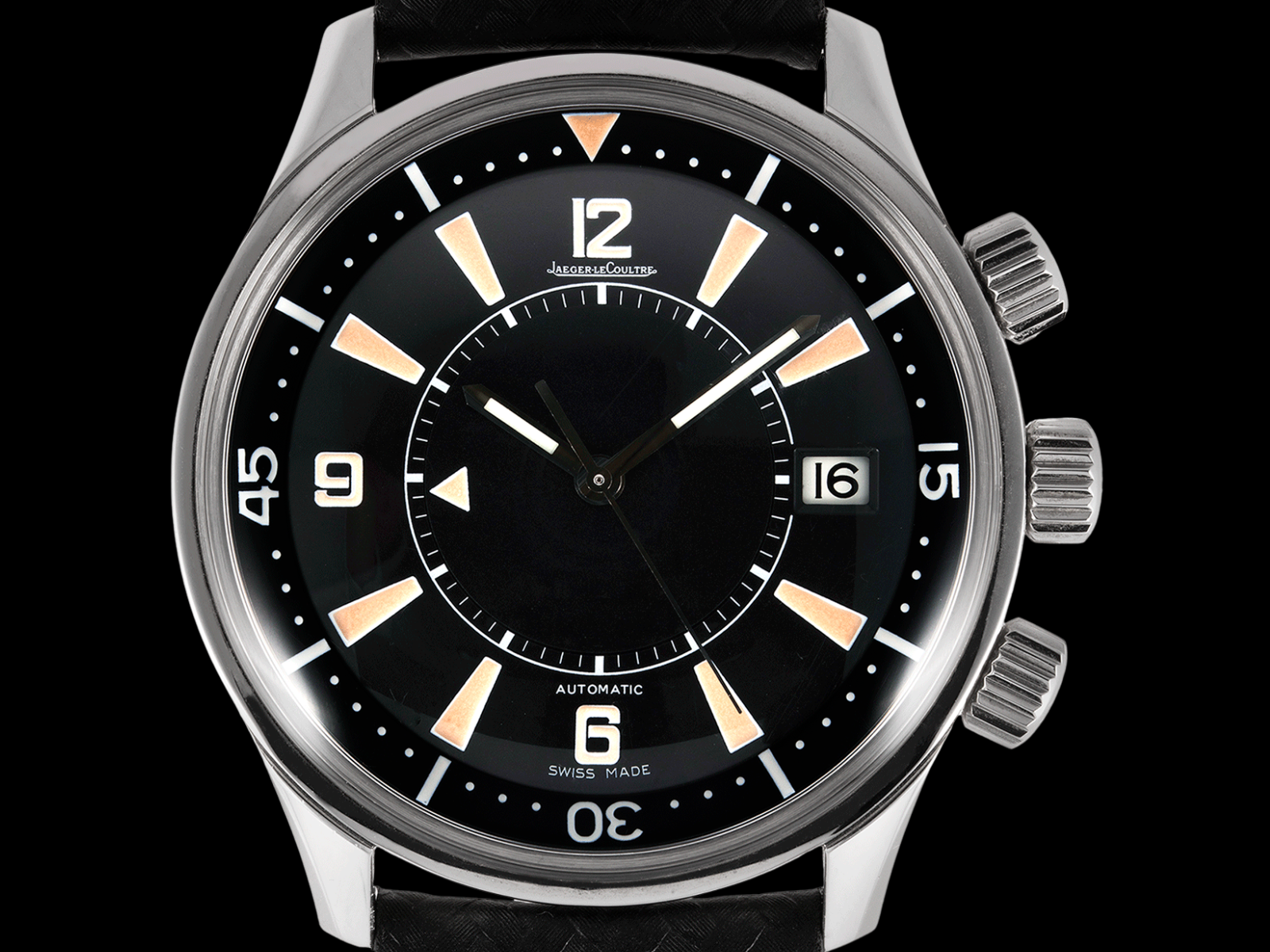
DSADeep Sea Alarm
An early alarm diving watch produced in scarce configurations for different markets and highly prized by specialists.
 P
PMemovox Polaris
A large compressor-cased alarm diver whose three crowns, internal bezel and audible function create unmistakable presence.
Reading the catalogue.
Old catalogues, calibre charts and regional advertisements can clarify model names, dial signatures, movement families and market-specific differences.

What makes a vintage Jaeger-LeCoultre look like a Jaeger-LeCoultre?
The recurring details are less uniform than those of many brands because Jaeger-LeCoultre mastered so many genres. The common thread is purposeful invention: a case, dial or calibre is usually organised around one strong idea.
Learning that vocabulary helps distinguish genuine experimentation from later alteration. The best examples feel resolved because engineering and design were developed together.
 101
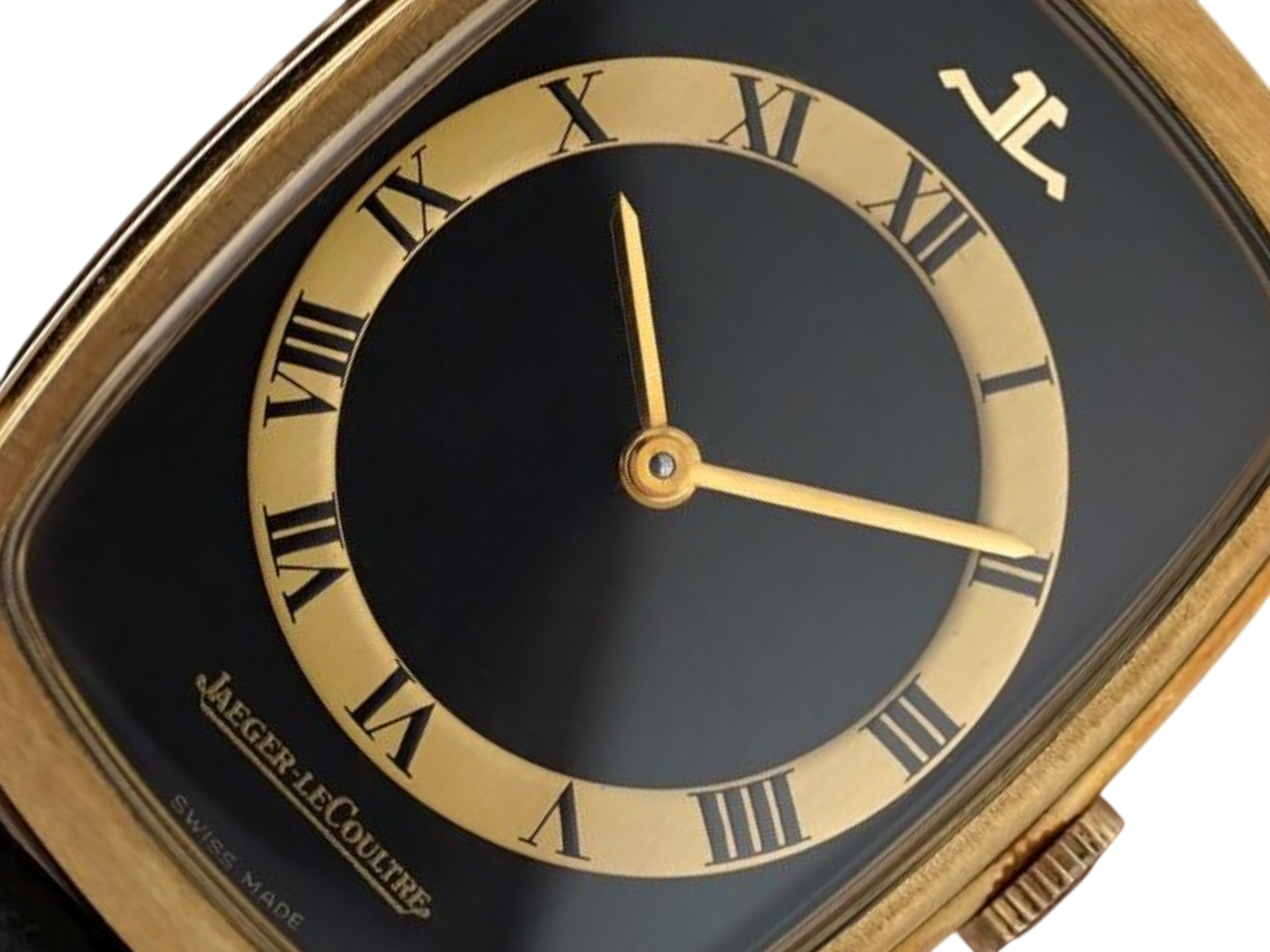
101Mechanism as identity.
From miniature movements and alarms to chronometers and ultra-thin calibres, Jaeger-LeCoultre’s identity often begins inside the case.
Art Deco geometry
Reverso gadroons, rectangular dials and disciplined typography translate architecture into a wearable object.
Alarm architecture
Dual crowns, central alarm discs and resonant case construction make Memovox watches visually and mechanically distinctive.
Elegant sector dials
Applied markers, sector tracks and restrained crosshair layouts give many post-war watches intellectual clarity.
Compact ingenuity
Small calibres, thin cases and dense mechanical solutions show the manufacture’s long-standing command of miniaturisation.
Three things collectors learn quickly.
Vintage Jaeger-LeCoultre rewards precise identification. The same case shape may appear with different calibres, signatures and market names, while related watches can be signed LeCoultre, Jaeger or Jaeger-LeCoultre.
Collectors also learn that mechanical complexity creates ownership obligations. Alarm mechanisms, reversible cases and unusual automatic systems need knowledgeable servicing and should be assessed as complete technical assemblies.
Dial signatures vary.
LeCoultre and Jaeger-LeCoultre signatures can both be legitimate depending on market and period. Context is essential.
Alarm parts matter.
Correct crowns, discs, hammers and resonating components are central to the function and value of vintage Memovox watches.
Rarity is often understated.
A simple dress watch may contain an important calibre or scarce dial execution invisible to a casual buyer.
Where the interest sits.
Collector interest is strongest where technical originality, design importance and scarcity overlap. Early Reversos, Geophysics, Deep Sea Alarms and Polaris references sit at the centre of the high-value market.
These ratings are editorial indicators rather than price forecasts. Dial originality, calibre, market signature, case condition and component completeness can matter more than the family name alone.
Very high
A foundational design with significant variation in cases, dials and movements.
Very high
Rare, historically important and highly dependent on specialist authentication.
Very high
An early alarm diver with scarce regional executions and costly original components.
High
Large, distinctive and technically unusual, with strong modern collector recognition.
High
An inventive automatic design whose condition and movement function require care.
Medium
A broad and engaging entry into Jaeger-LeCoultre’s signature alarm-watch tradition.
Modern Jaeger-LeCoultre alternatives.
For buyers drawn to the manufacture’s historic ideas but unwilling to accept the uncertainty and maintenance demands of a vintage watch, the modern catalogue preserves several of its strongest traditions.
These models offer contemporary reliability while retaining the reversible case, alarm complication and restrained manufacture-watch language associated with the Maison.

Modern Reverso
The direct continuation of the 1931 icon, combining Art Deco geometry with modern movements and finishing.

Master Control Memovox
A refined contemporary expression of the Maison’s signature mechanical alarm.
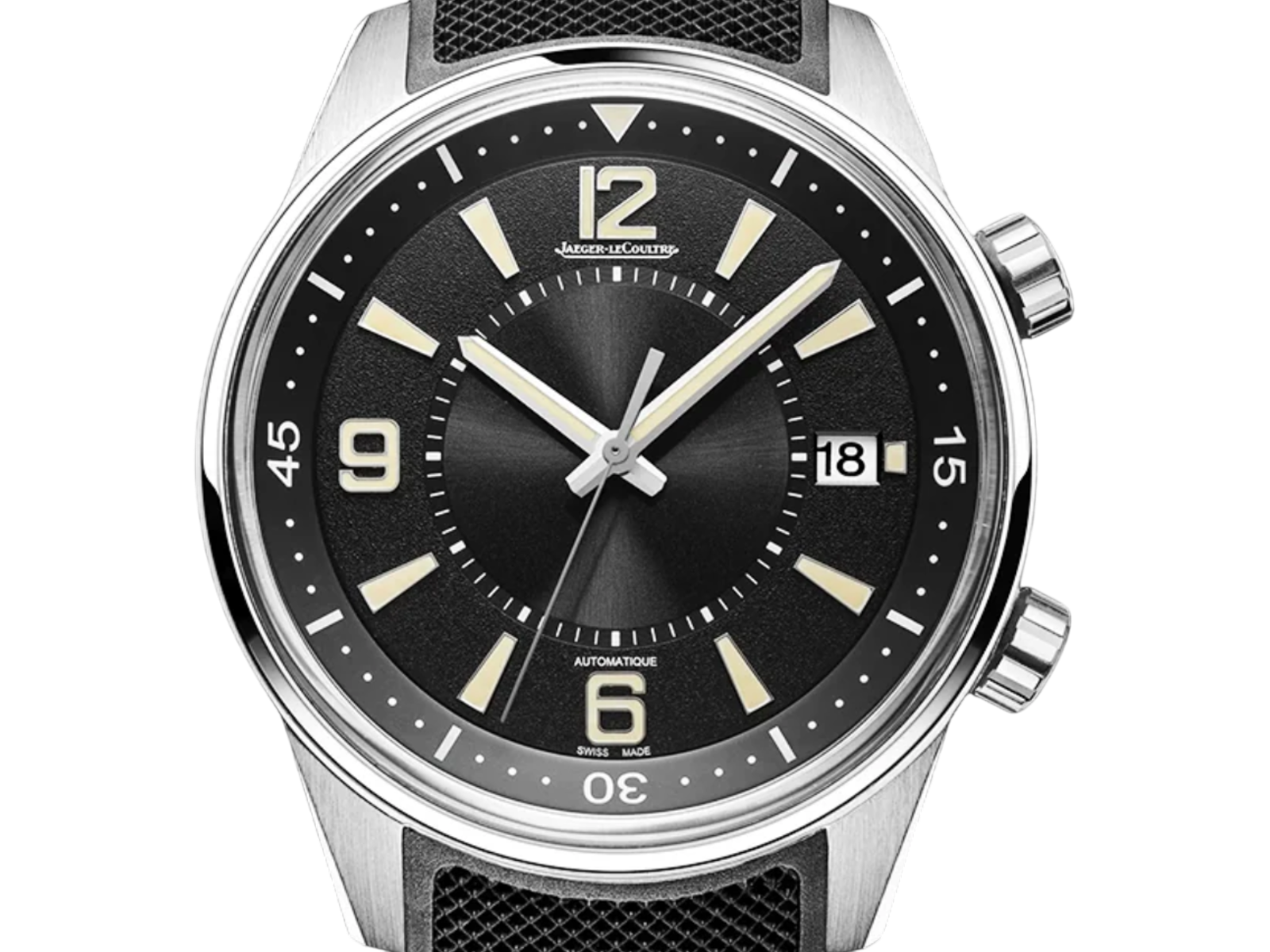
Modern Polaris
A practical sports-watch family drawing on the compressor-cased alarm divers of the 1960s.
The Jaeger-LeCoultre archive extends far beyond the Reverso.
The reversible icon is the natural entry point, but the richest collection moves across miniature calibres, Memovox alarms, scientific chronometers, Futurematics, diving watches and the manufacture’s extraordinary history as a movement specialist.