Vintage
Rolex
From the Oyster and Perpetual rotor to the Datejust, Submariner, GMT-Master, Explorer and Daytona: the collector’s guide to Rolex’s defining vintage eras.
Vintage Rolex is a study in controlled evolution. The brand repeatedly refined a small number of durable ideas—water resistance, automatic winding, legibility and professional usefulness—until they became some of the most recognisable watch designs ever made.
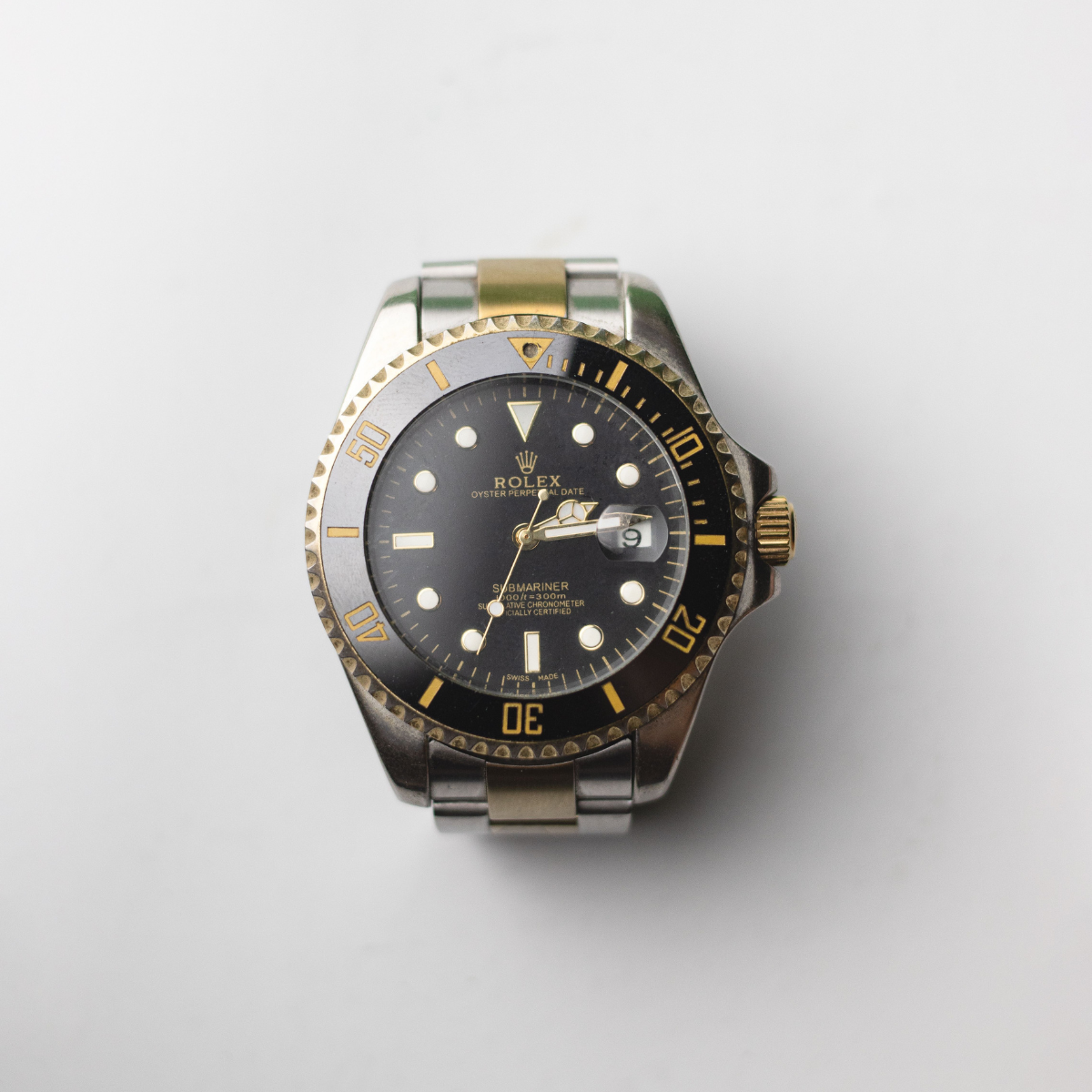
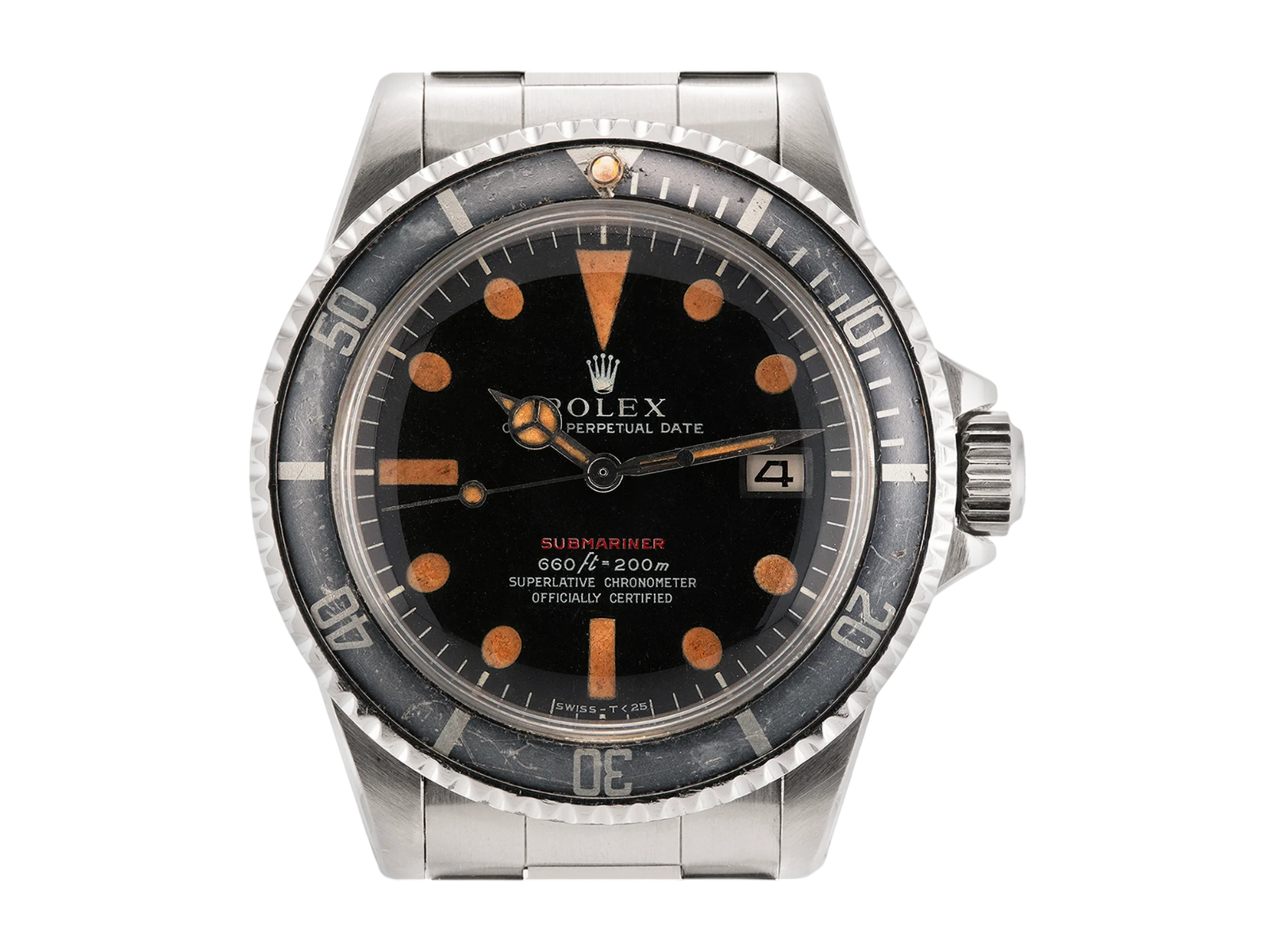
The architecture of the modern tool watch.
Rolex helped define the modern wristwatch by treating reliability as a complete system. The Oyster case, screw-down crown, automatic winding, robust bracelets and highly legible dials were developed not as isolated features but as parts of a durable everyday instrument.
The vintage catalogue is unusually coherent. Datejust, Submariner, Explorer, GMT-Master, Daytona and Sea-Dweller each answer a distinct practical brief while sharing a recognisable visual and technical language.
For collectors, that consistency creates complexity. Small changes in dial printing, luminous material, bezel insert, crown guards, bracelet end links or case profile can define an entire reference generation.
Vintage Rolex is not about dramatic reinvention. It is about the power of getting the same essential ideas progressively right.
The quick collector’s view
Most recognisable
The Submariner: the template for the modern diving watch and the centre of vintage Rolex sports collecting.
Connoisseur choice
An early Explorer, gilt-dial GMT-Master, Paul Newman Daytona or correctly preserved COMEX Sea-Dweller.
Best entry point
Selected Datejust, Oyster Perpetual, Air-King and later matte-dial sports references in honest condition.
From London watch distributor to Geneva instrument maker.
Hans Wilsdorf founded Wilsdorf & Davis in London in 1905 with the conviction that wristwatches could be precise, reliable and commercially important. The name Rolex was registered soon afterwards and became associated with compact movements and chronometer performance.
The move to Geneva and the development of the Oyster case established the company’s defining philosophy. Rolex would build recognisable families around practical advances, then refine them through careful, incremental change.
Wilsdorf & Davis is founded
Hans Wilsdorf and Alfred Davis establish a London business specialising in the distribution of wristwatches.
The Rolex name and Geneva move
The Rolex trademark is registered, chronometer recognition follows, and the company relocates its operations to Geneva.
Oyster and Perpetual
The waterproof Oyster case and self-winding Perpetual rotor create the technical foundation of the modern Rolex wristwatch.
Datejust
The first self-winding waterproof chronometer wristwatch with an automatically changing date establishes a new everyday luxury archetype.
Explorer, Submariner and GMT-Master
Mountaineering, diving and international aviation produce three of Rolex’s most enduring professional watch families.
Daytona and Sea-Dweller
Motor racing and saturation diving drive the development of specialist chronograph and deep-sea watches.
Sapphire, quickset and modern continuity
New materials and movement upgrades modernise the catalogue while preserving the core forms established in the mid-20th century.
A Rolex timeline.
Rolex’s major milestones trace a single long argument: a wristwatch should be waterproof, automatic, legible and dependable enough to accompany real work and exploration.
The dates below identify broad historical landmarks. Individual references, dial generations, bezel types and bracelet configurations should still be researched separately.
Wilsdorf & Davis
The business that becomes Rolex is established in London.
Rolex is registered
The name is chosen for use on the company’s watches.
Kew precision certificate
A Rolex wristwatch receives a Class A precision certificate from Kew Observatory.
Oyster case
The waterproof case becomes the foundation of Rolex design.
Perpetual rotor
A self-winding system using a freely rotating weight is patented.
Datejust
The date-changing automatic chronometer establishes a new flagship family.
Explorer and Submariner
Mountaineering and diving watches enter the professional catalogue.
GMT-Master
A rotating 24-hour bezel allows pilots to read a second time zone.
Day-Date
The full weekday and date are displayed in a self-winding waterproof wristwatch.
Cosmograph Daytona
A racing chronograph with tachymeter bezel joins the catalogue.
Sea-Dweller
A helium escape valve supports saturation-diving use.
Explorer II
A fixed 24-hour bezel and additional hand help cave explorers distinguish day from night.
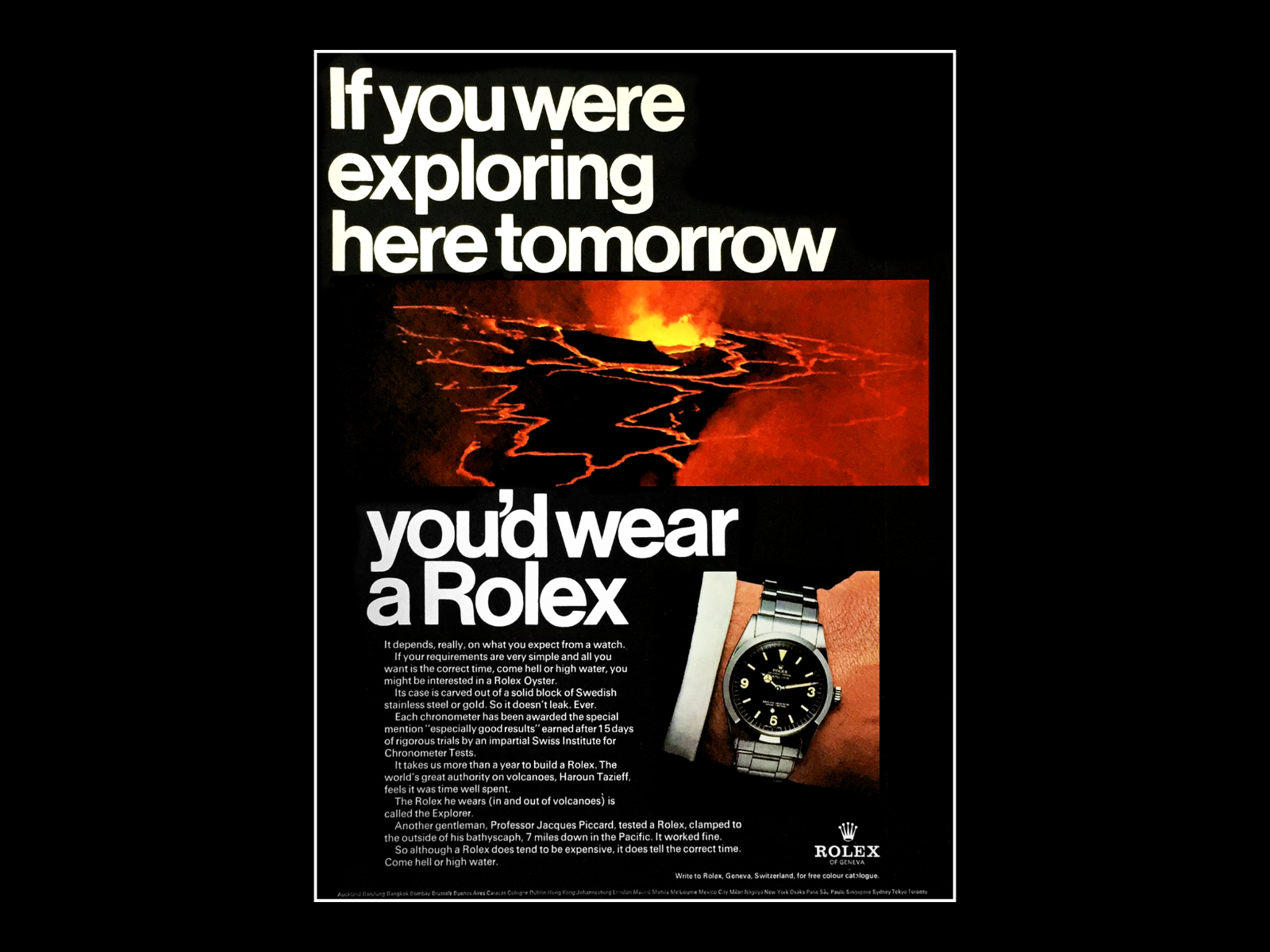
The crown in print.
Period advertising shows how Rolex linked waterproofness, precision and professional achievement to a wider idea of dependable success.
The four vintage eras.
Vintage Rolex is easier to understand when divided by changes in case construction, professional purpose and component design. The catalogue moves from early wristwatch experimentation to Oyster consolidation, professional-tool dominance and modern refinement.
Each era brings different dials, movements, bracelets and collecting risks. Establishing the period first makes it easier to judge whether a watch is coherent and fairly valued.
The wristwatch experiment
Early precision wristwatches and the first Oyster cases establish the brand’s technical direction.
Oyster Perpetual foundations
Automatic winding, waterproof construction and the Datejust define Rolex’s everyday architecture.
The professional golden age
Submariner, Explorer, GMT-Master, Daytona and Sea-Dweller create the core vintage sports catalogue.
Refinement and transition
Quickset movements, sapphire crystals, improved bracelets and evolving references lead into modern Rolex.
Six important vintage Rolexes.
This is not a complete reference catalogue. It is a map of the families that best explain vintage Rolex: Submariner, GMT-Master, Explorer, Daytona, Sea-Dweller and Datejust.
Each family demands different knowledge. Dial type, bezel insert, crown guards, case back, bracelet, luminous material and service history can all determine whether an example is compelling.
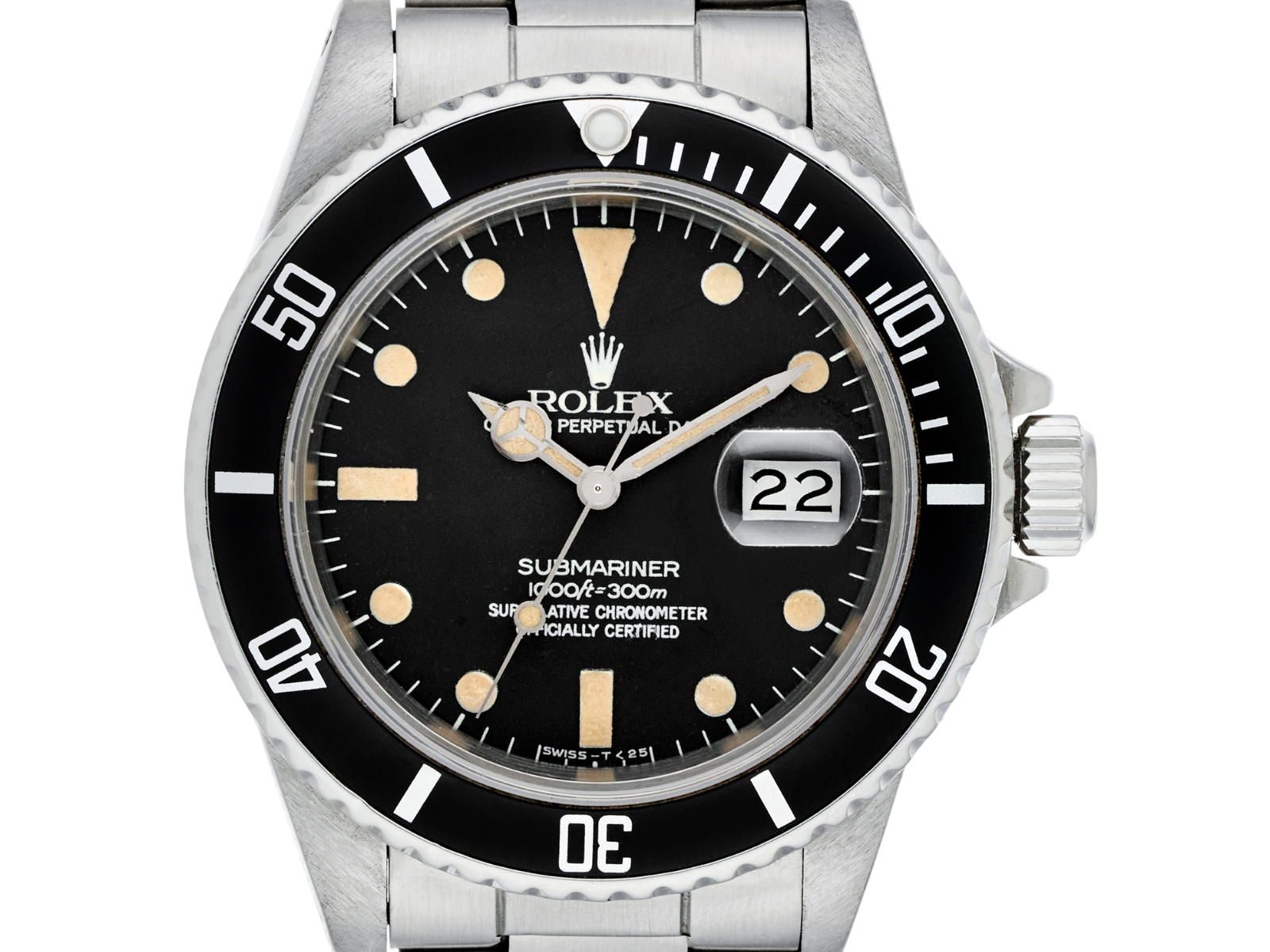 6204
Submariner Ref. 6204
One of the earliest Submariners and a foundational expression of the modern professional diving watch.
 6542
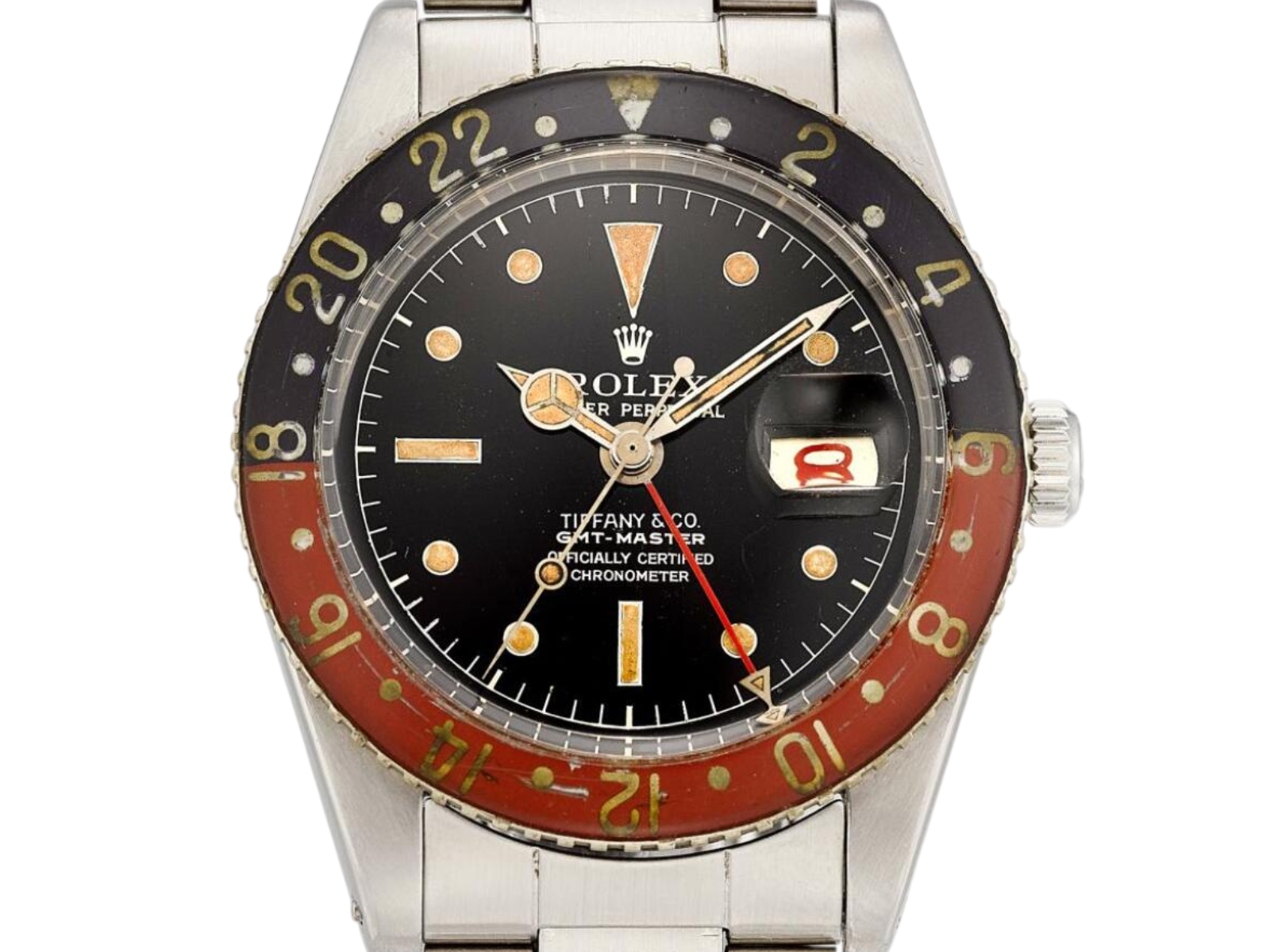
GMT-Master Ref. 6542
The original GMT-Master, distinguished by its lack of crown guards and, on early examples, fragile Bakelite bezel insert.
 1016
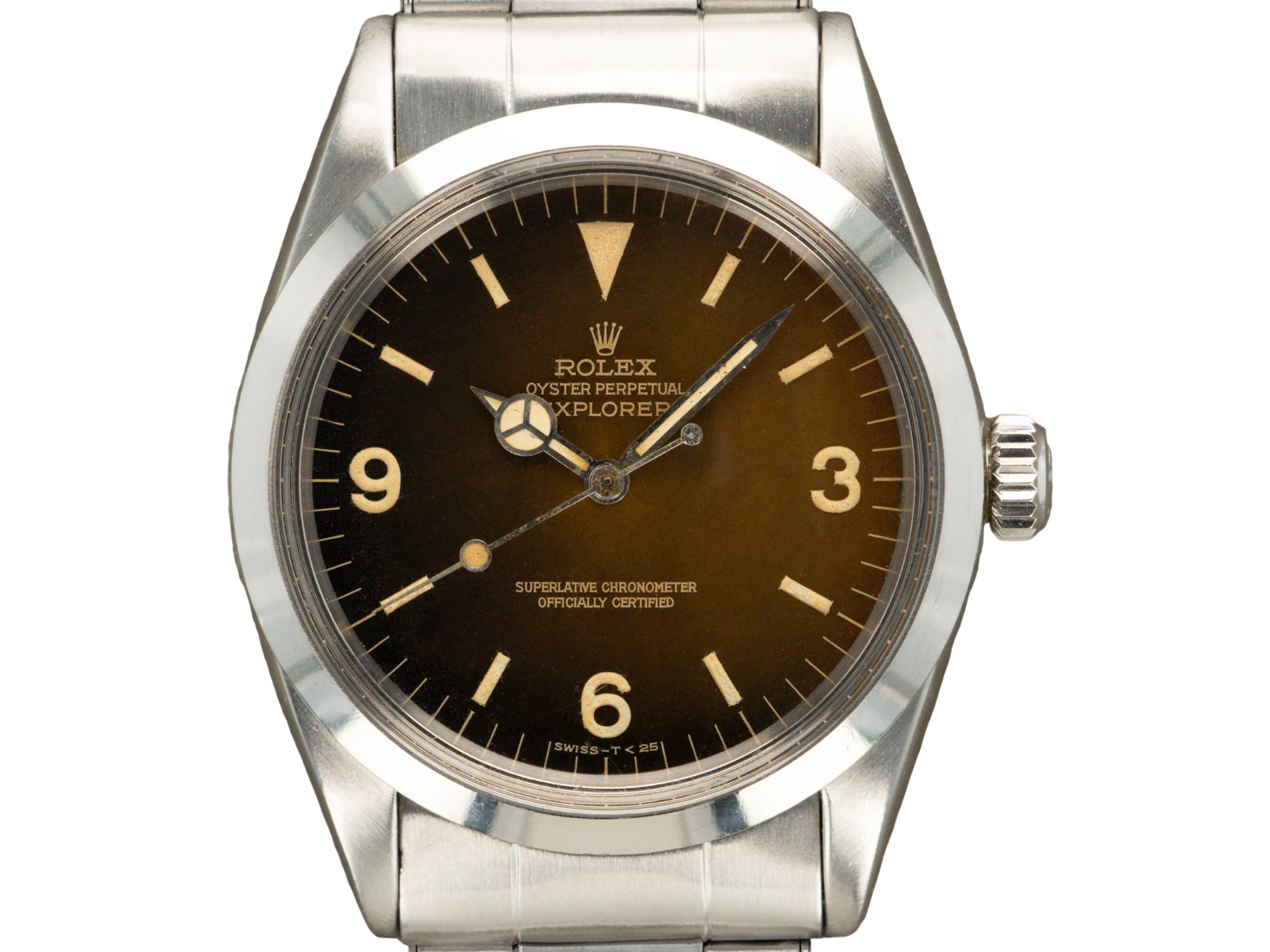
Explorer Ref. 1016
A long-running, highly legible tool watch whose 3-6-9 dial became one of Rolex’s purest designs.
 6239
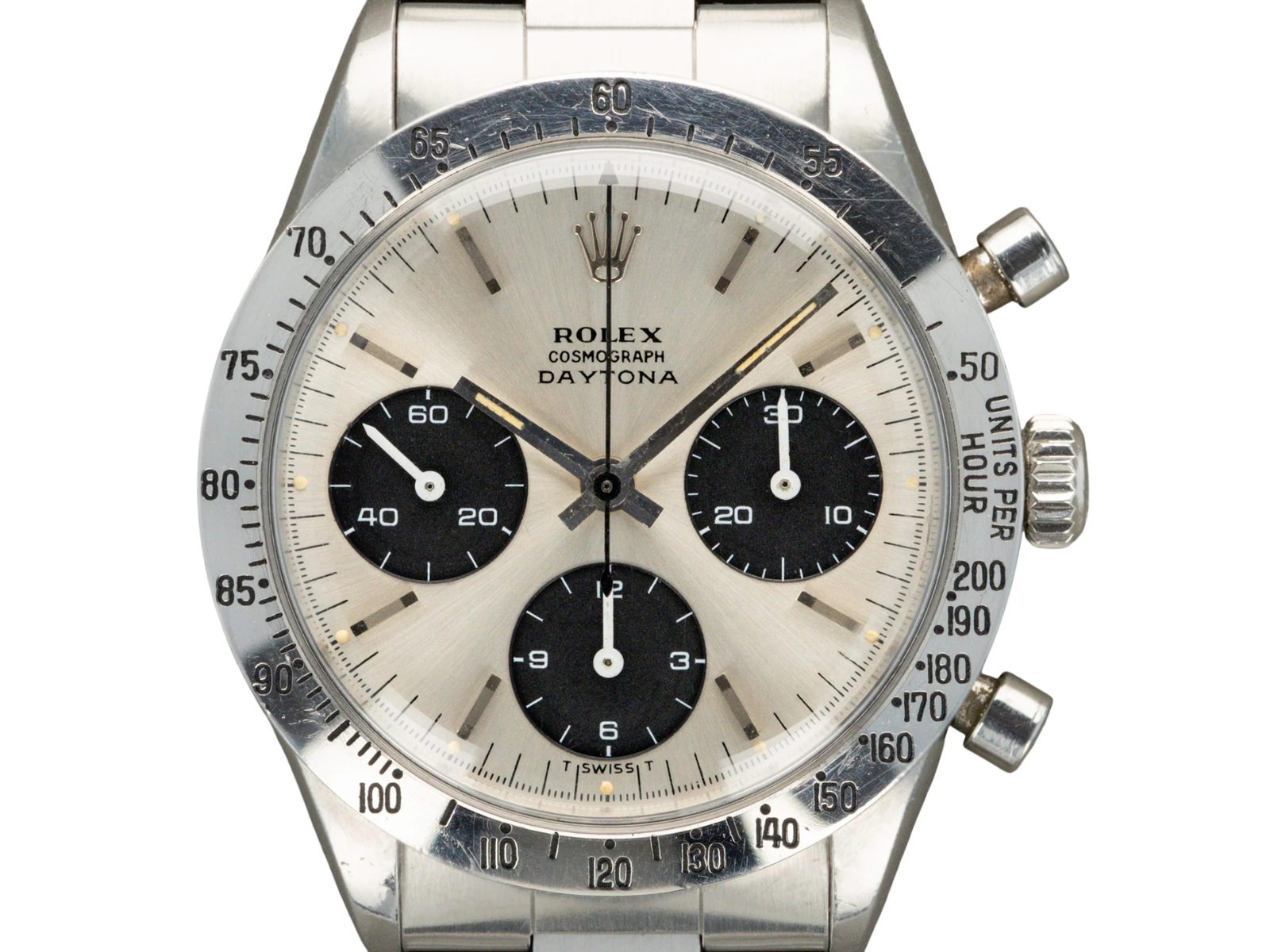
Daytona Ref. 6239
The first Cosmograph Daytona reference and the foundation of Rolex’s most celebrated chronograph family.
 1665
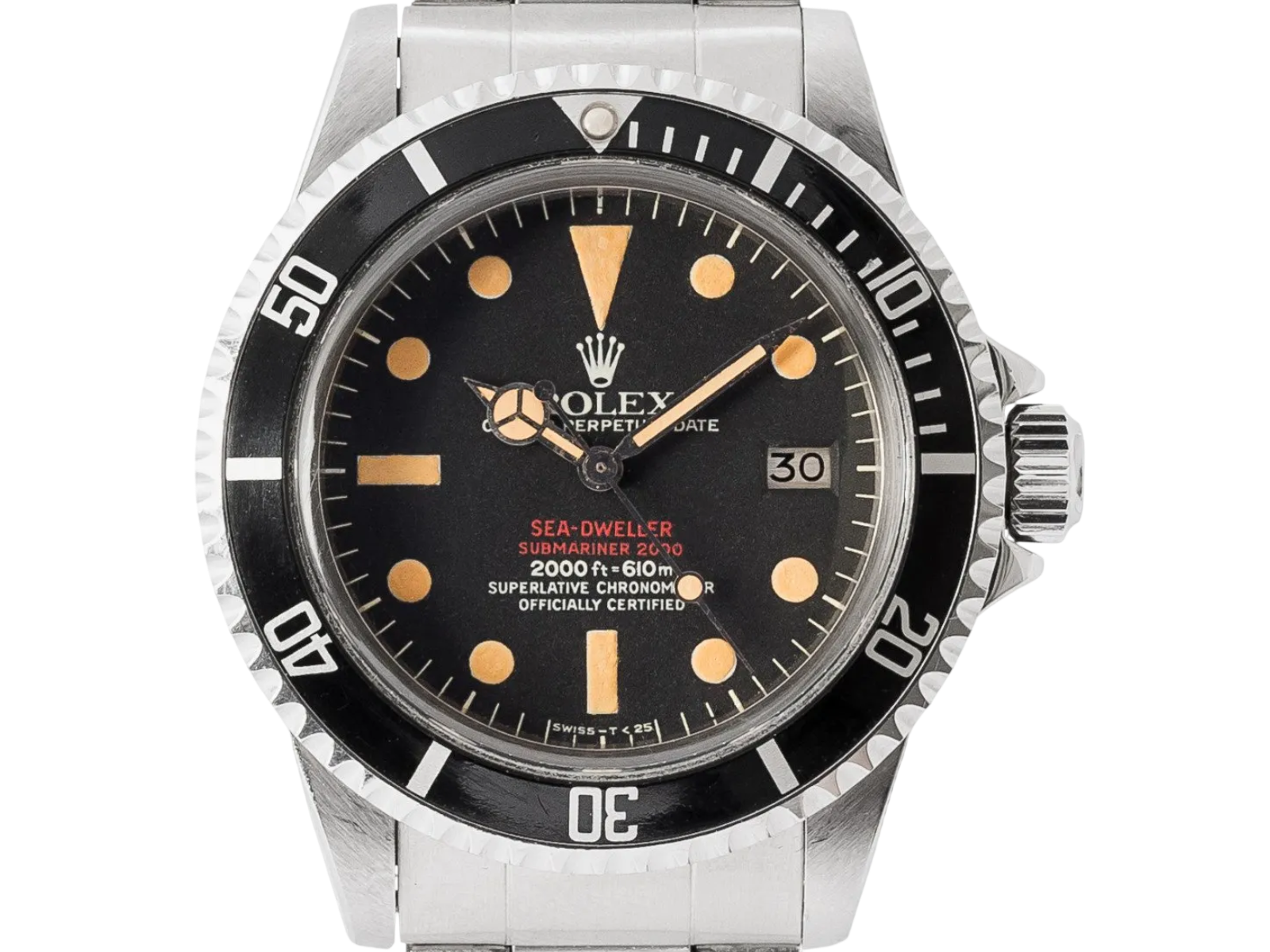
Sea-Dweller Ref. 1665
A saturation-diving watch whose helium escape valve and professional history give it a distinct identity from the Submariner.
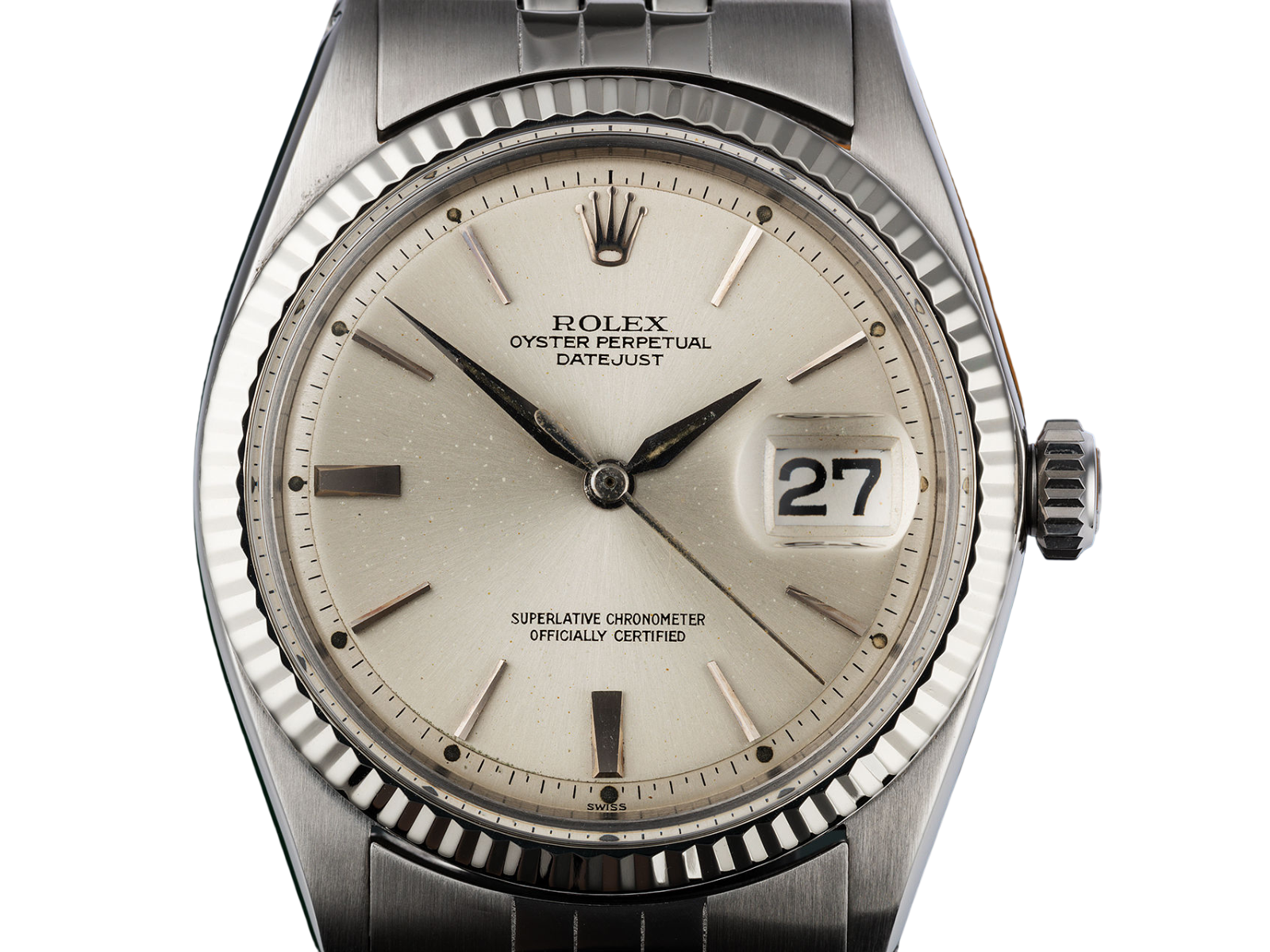 1601
Datejust Ref. 1601
A versatile fluted-bezel classic offering one of the broadest and most accessible entries into vintage Rolex.
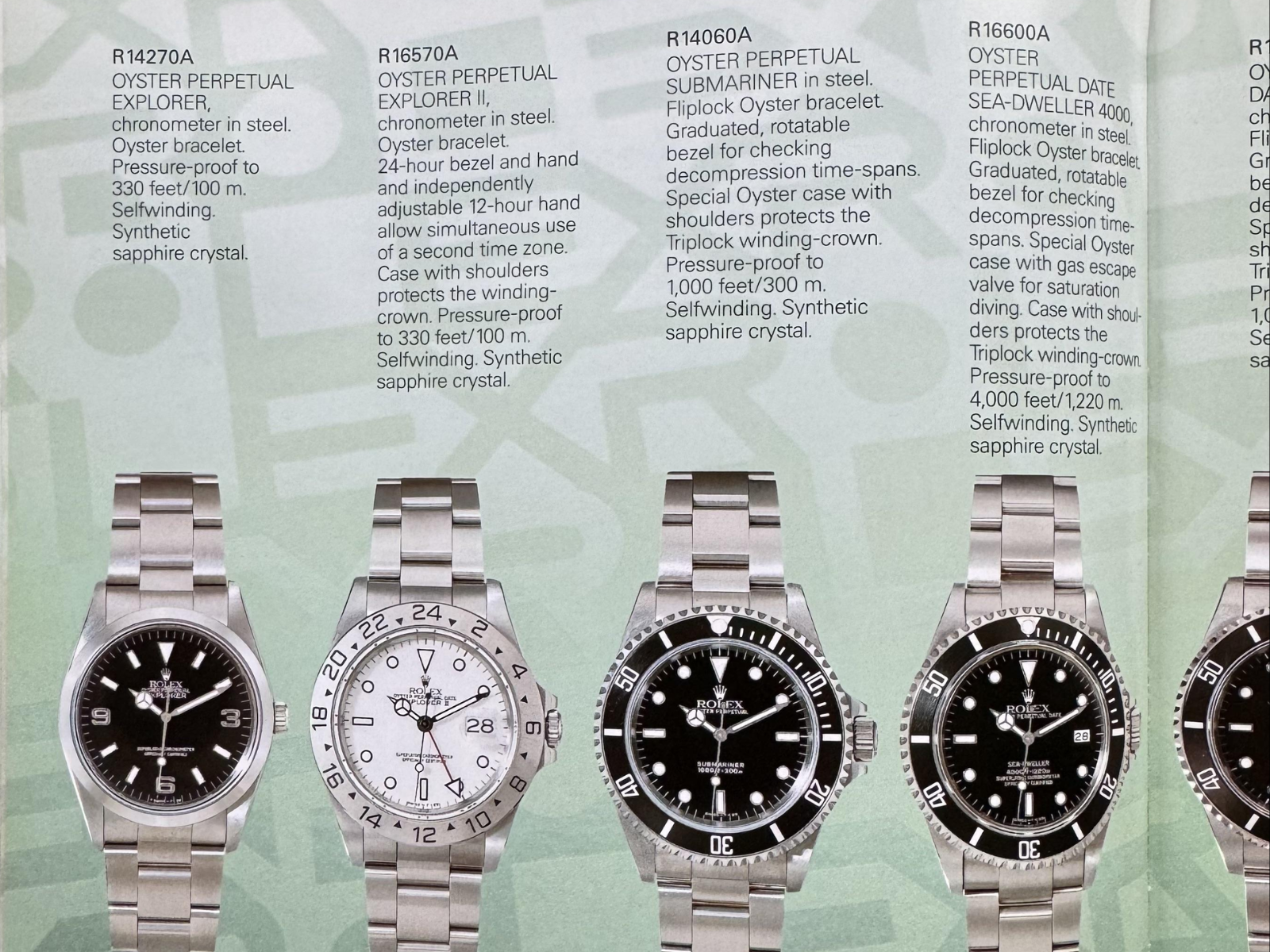
Reading the catalogue.
Old catalogues, service papers and reference scholarship can clarify dial generations, bezel types, bracelet codes and original market positioning.
What makes a vintage Rolex look like a Rolex?
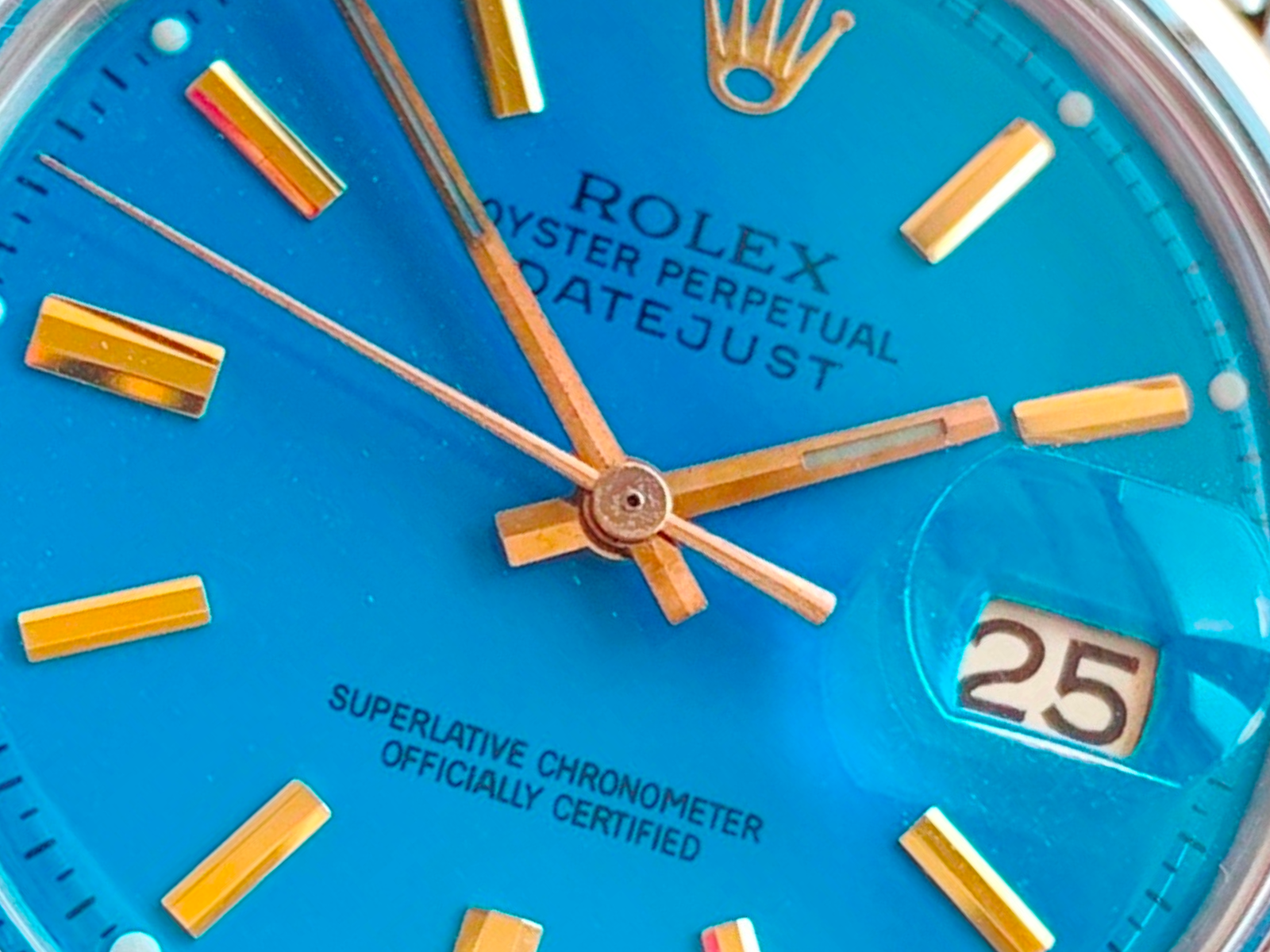
The recurring details are functional but highly codified: Oyster cases, Mercedes hands, Cyclops lenses, rotating bezels, luminous hour plots and bracelets designed as integral parts of the watch.
Learning that vocabulary helps distinguish correct evolution from later assembly. The strongest examples feel coherent because every component belongs to the same reference and production period.
 O
The case is the system.
Screw-down crown, threaded case back, crystal and middle case work together to make waterproofness part of the watch’s identity.
Mercedes hands
The familiar hour-hand form creates instant recognition and improves luminous legibility on professional watches.
Purpose-built bezels
Diving, GMT, tachymeter and 24-hour bezels turn related Oyster cases into distinct instruments.
Cyclops date lens
The magnifying lens became one of the most recognisable details of Datejust, Day-Date and later sports models.
Integrated bracelet identity
Oyster, Jubilee and President bracelets are central to the look, fit and originality of vintage Rolex.
Three things collectors learn quickly.
Vintage Rolex rewards component-level knowledge. A watch can be entirely genuine yet contain a dial, bezel, hands or bracelet from a later service period.
Collectors also learn that cosmetic restoration is particularly consequential. Polishing, reluming and replaced inserts can alter the visual balance that makes an original vintage Rolex compelling.
Service parts are everywhere.
Rolex maintained watches for use, not future collectability. Later dials, hands and bezels are common and should be disclosed.
Case shape is value.
Thick lugs, defined crown guards and correct brushing often matter more than a superficially bright finish.
Bracelets deserve research.
Clasp codes, end links, stretch and period correctness materially affect both wearability and price.
Where the interest sits.
Collector interest is strongest where early production, rare dial configuration and professional history overlap. Daytonas, early Submariners and GMT-Masters dominate the headline market, while Explorers, Sea-Dwellers and Datejusts offer substantial depth.
These ratings are editorial indicators rather than price forecasts. Dial originality, bezel, luminous material, case condition and documented provenance can matter more than the family name alone.
Very high
Rare dial variants, strong cultural recognition and extreme sensitivity to original components.
Very high
Foundational diving references with complex dial, bezel and crown evolution.
High
Aviation history, colourful bezels and numerous desirable dial generations.
High
Long production, subtle variation and one of Rolex’s purest tool-watch designs.
High
Professional saturation-diving history and scarce early dial variants.
Medium
An accessible and highly varied route into vintage Rolex ownership.
Modern Rolex alternatives.
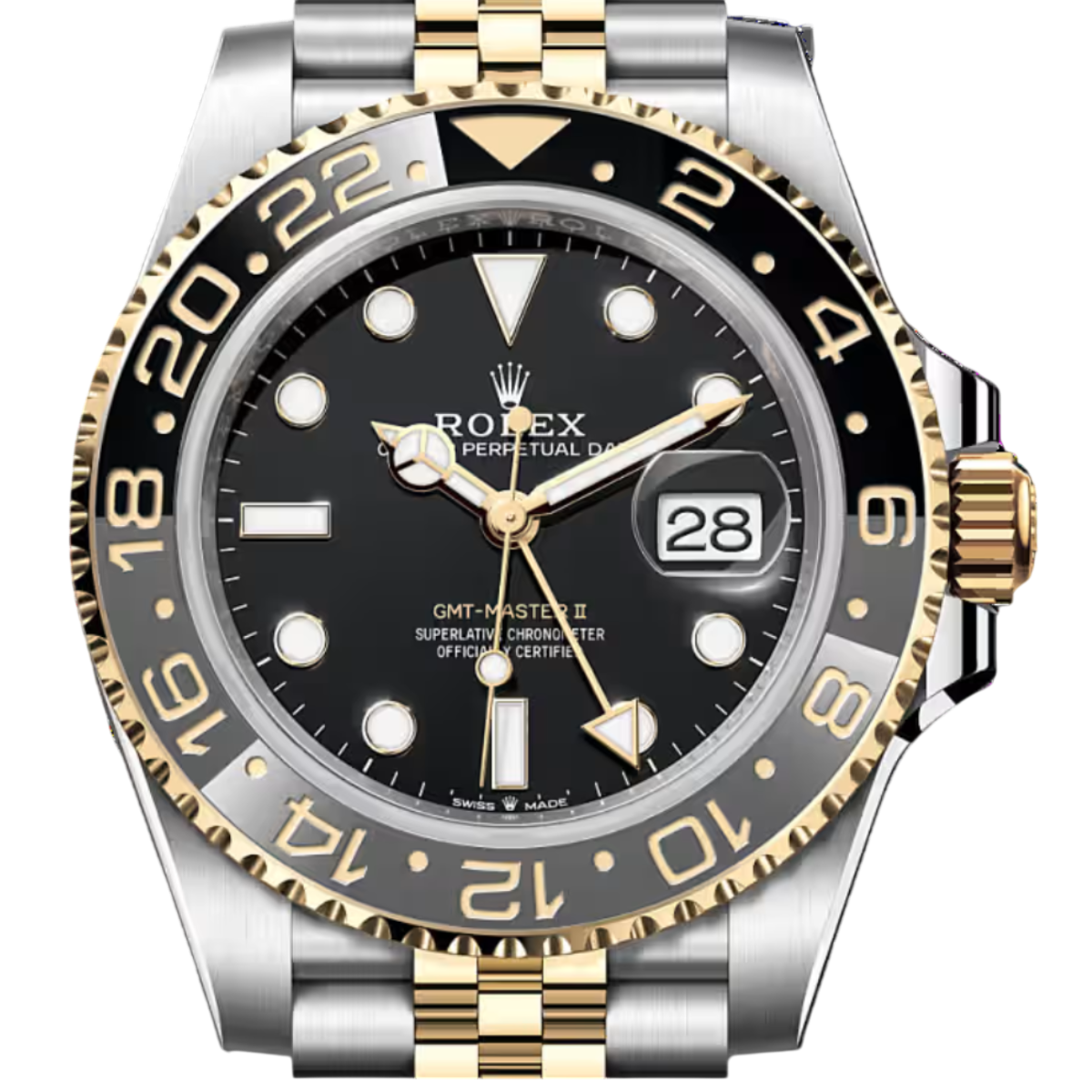
For buyers drawn to Rolex’s historical designs but unwilling to accept the uncertainty and maintenance demands of a vintage watch, the modern catalogue preserves the brand’s central families.
These models offer contemporary reliability while retaining the professional functions, case architecture and visual identities established by their vintage predecessors.


The Rolex archive is built on evolution, not nostalgia.
The Submariner may be the natural entry point, but the richest collection moves across Oyster Perpetuals, Datejusts, Explorers, GMT-Masters, Daytonas and Sea-Dwellers—each revealing how Rolex refined the modern wristwatch one component at a time.