Tissot versus Longines
Tissot and Longines are two of Switzerland’s most recognisable accessible watch brands, but they occupy different positions within the market. Tissot offers exceptional value, contemporary design and a broad entry point into Swiss mechanical watchmaking. Longines sits higher, combining deeper heritage, more refined finishing and a stronger overall sense of traditional luxury.
Choose Tissot for affordability, modern design and maximum specification at an entry-level price. Choose Longines for stronger refinement, richer heritage, broader prestige and the more complete long-term luxury-watch proposition.

Which brand wins where?
Tissot wins when affordability, contemporary design and entry-level value matter most. Longines wins when refinement, heritage and long-term luxury appeal become the priority.
Tissot and Longines at a glance.
Both brands offer authentic Swiss watchmaking and extensive modern collections. Their principal difference is positioning: Tissot is the value-led entry point, while Longines provides a more elevated and refined experience.
Tissot
Accessible Swiss valueLongines
Accessible refinementDemocratic Swiss watchmaking versus accessible luxury.
Tissot seeks to make Swiss watchmaking available to the widest possible audience. Longines operates one tier higher, translating a deeper archive into watches with more polish, refinement and prestige.
Swiss design and mechanics without the traditional barrier.
Tissot succeeds by offering a great deal of watch for the money. Models such as the PRX and Seastar combine strong design, recognisable branding and modern automatic movements at unusually accessible prices.
- Strong value across quartz and mechanical watches
- Broad contemporary appeal through the PRX collection
- Long power reserves across many Powermatic 80 models
- A natural entry point into Swiss watch ownership
History refined for a more elevated experience.
Longines uses a broader historical archive and more refined execution to create watches that feel closer to traditional luxury. The difference is often visible in dial work, case finishing, bracelets and overall proportion.
- Exceptional aviation, timing and sporting heritage
- More refined finishing and case construction
- Broader choice of serious travel and heritage watches
- Greater prestige and long-term collection potential
The closest head-to-head comparisons.
These pairings compare watches likely to compete for similar roles: everyday sports watches, modern divers, aviation-inspired models and traditional dress watches.
Tissot PRX Powermatic 80
The PRX Powermatic 80 is one of the most successful modern entry-level Swiss watches. Its integrated-bracelet design, textured dial and long power reserve provide unusually strong visual impact for the price.
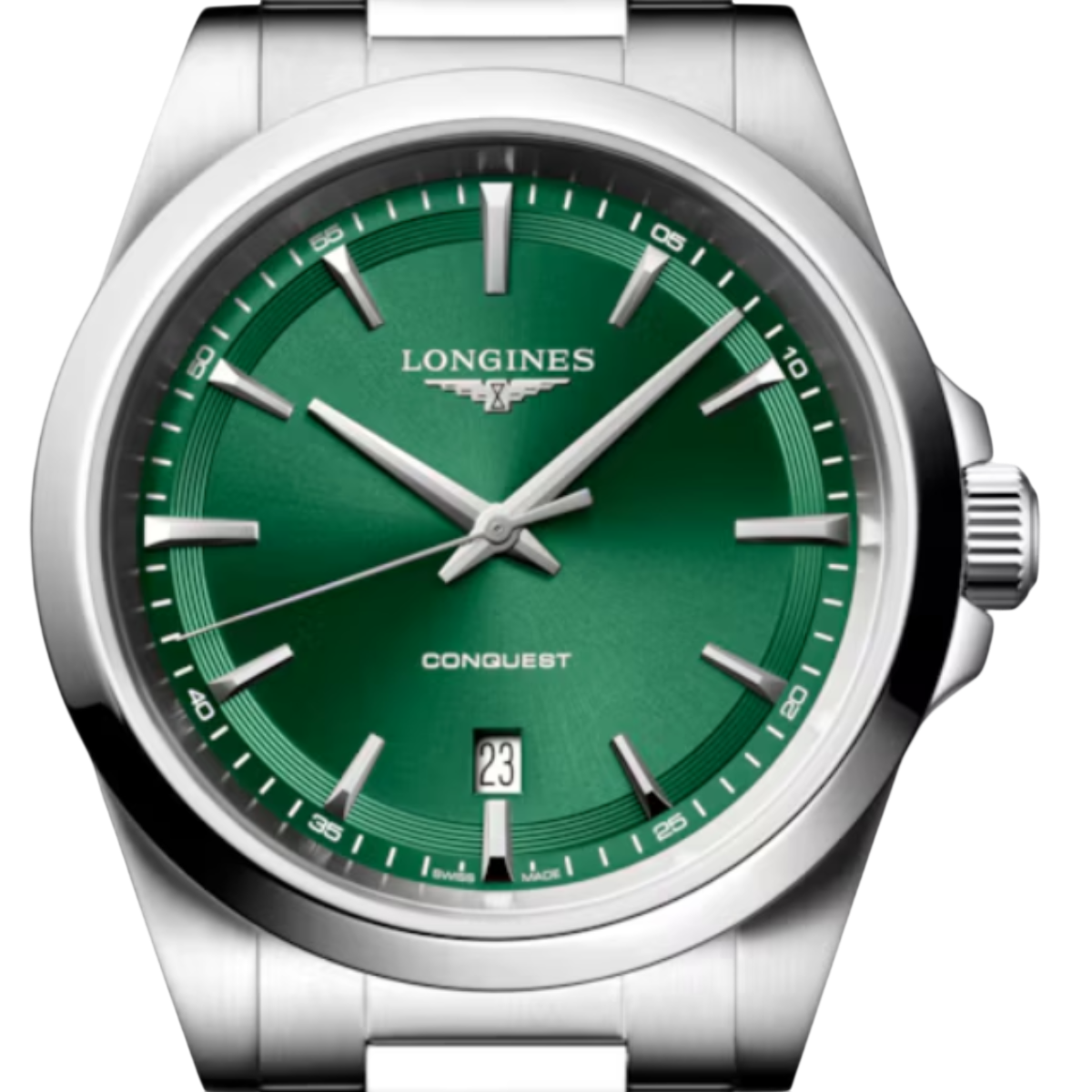
Longines Conquest
The Conquest is more conventional but substantially more refined. Its case, bracelet and dial finishing feel more expensive, while its restrained design makes it easier to wear across work, travel and leisure.
Choose the PRX for design impact, affordability and modern integrated-bracelet character. Choose the Conquest for refinement, versatility and the stronger long-term ownership experience. Tissot wins on value; Longines wins on execution.
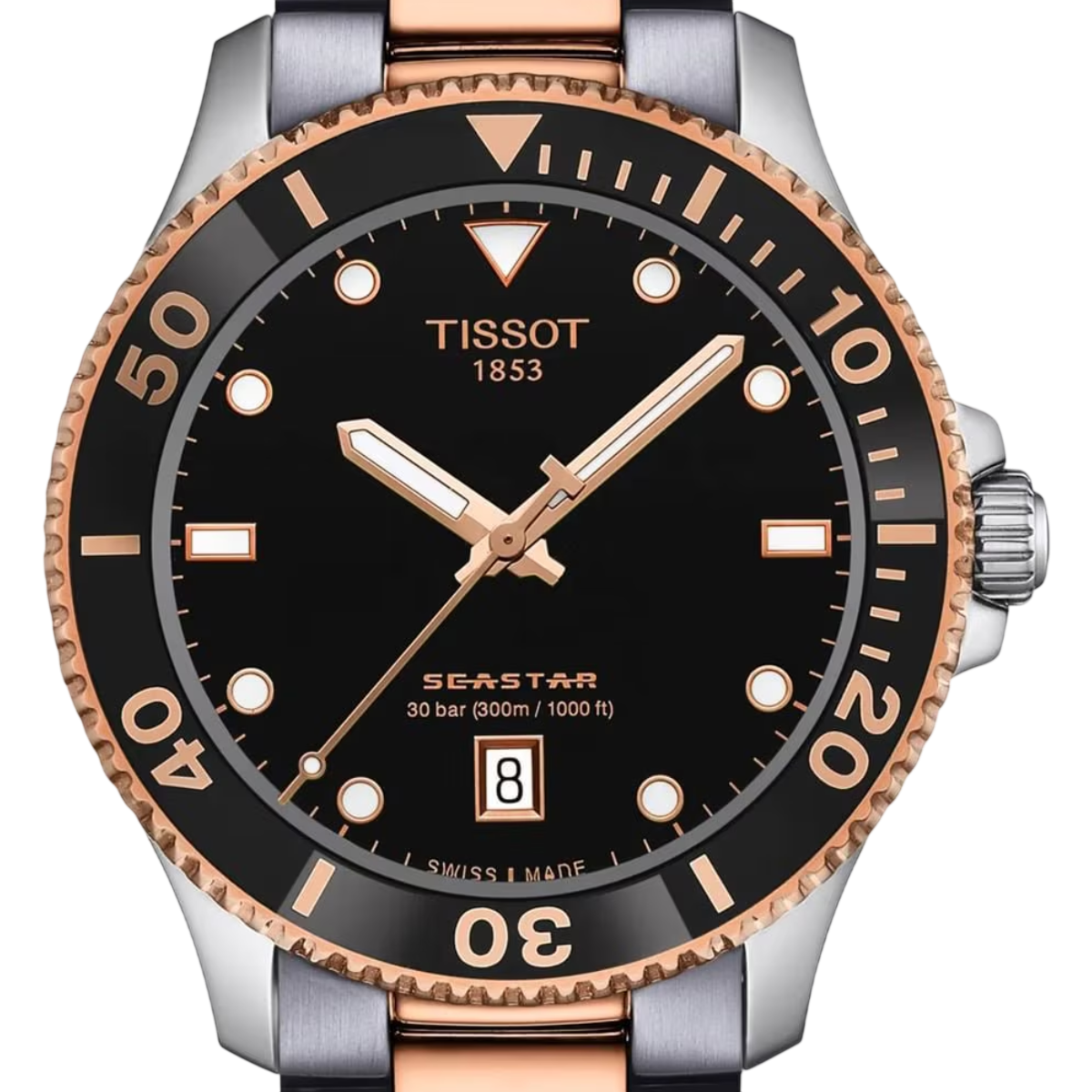
Tissot Seastar 1000
The Seastar offers serious dive-watch capability at an entry-level price. It is bold, highly legible and available in a wide range of quartz and automatic configurations.

Longines HydroConquest
The HydroConquest delivers a more polished and luxurious dive watch. Its case finishing, bezel action, dial detail and overall execution justify its higher position in the market.
Choose the Seastar for affordability and maximum specification per pound. Choose the HydroConquest for finishing, refinement and stronger luxury presence. Both are capable; Longines feels more complete.
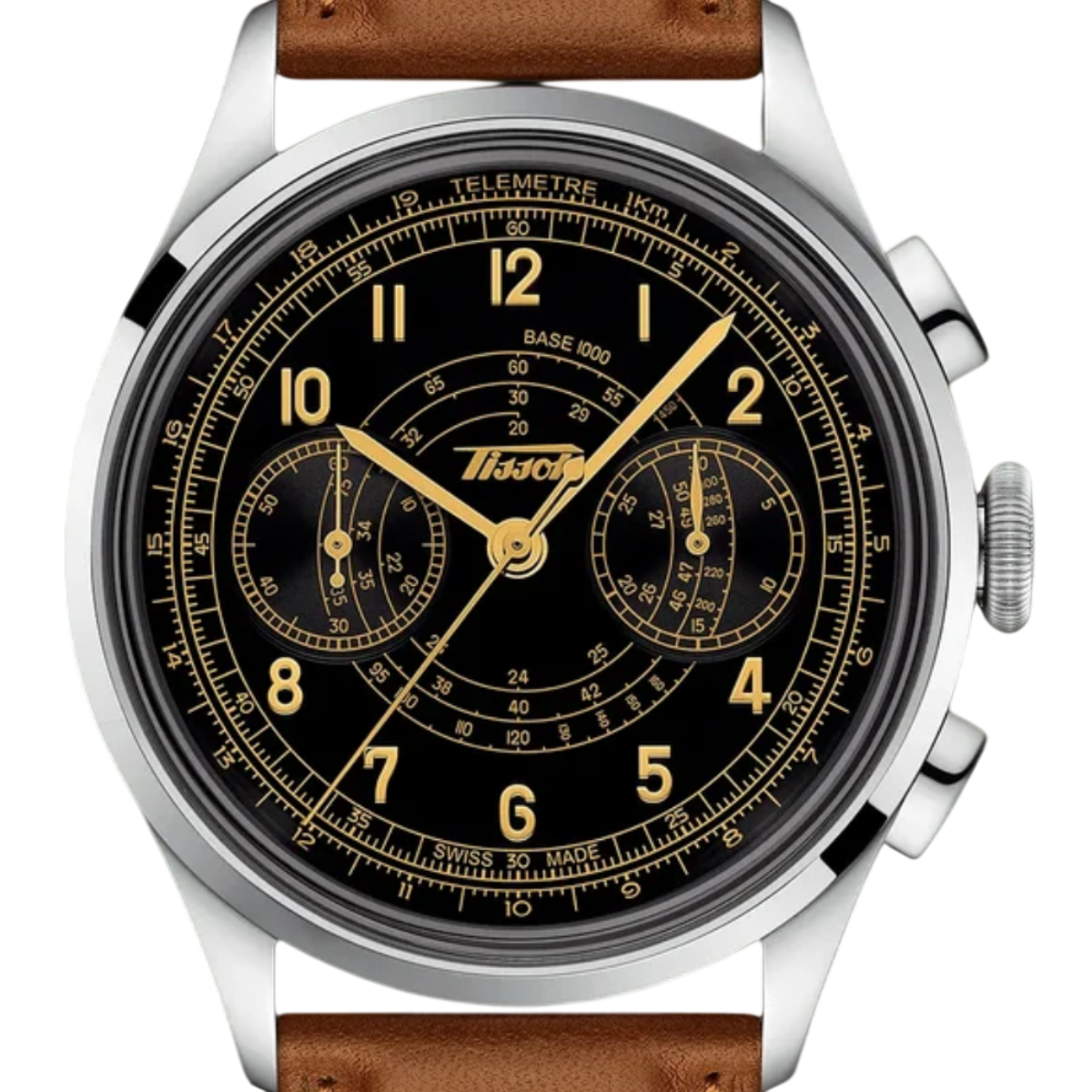
Tissot Heritage 1938
The Heritage 1938 offers restrained vintage character and a strong sense of period design without entering traditional luxury pricing. It is elegant, legible and unusually distinctive for its price.
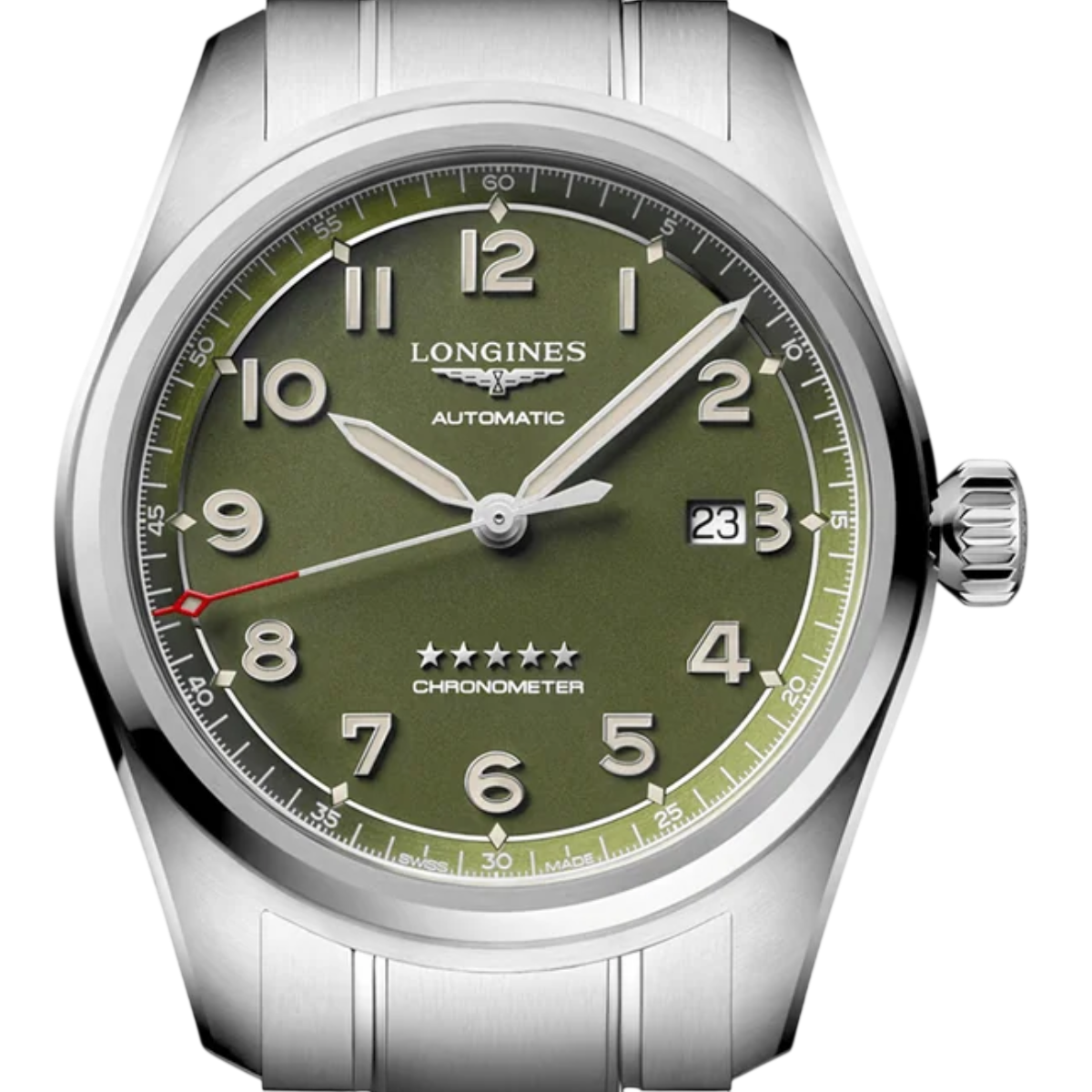
Longines Spirit
The Spirit is more robust, more technically polished and more luxurious in execution. It uses aviation heritage as the basis for a modern everyday sports watch rather than a direct vintage recreation.
Choose the Heritage 1938 for affordable vintage charm and classical simplicity. Choose the Spirit for stronger finishing, versatility and modern performance. Tissot is more nostalgic; Longines is more accomplished.
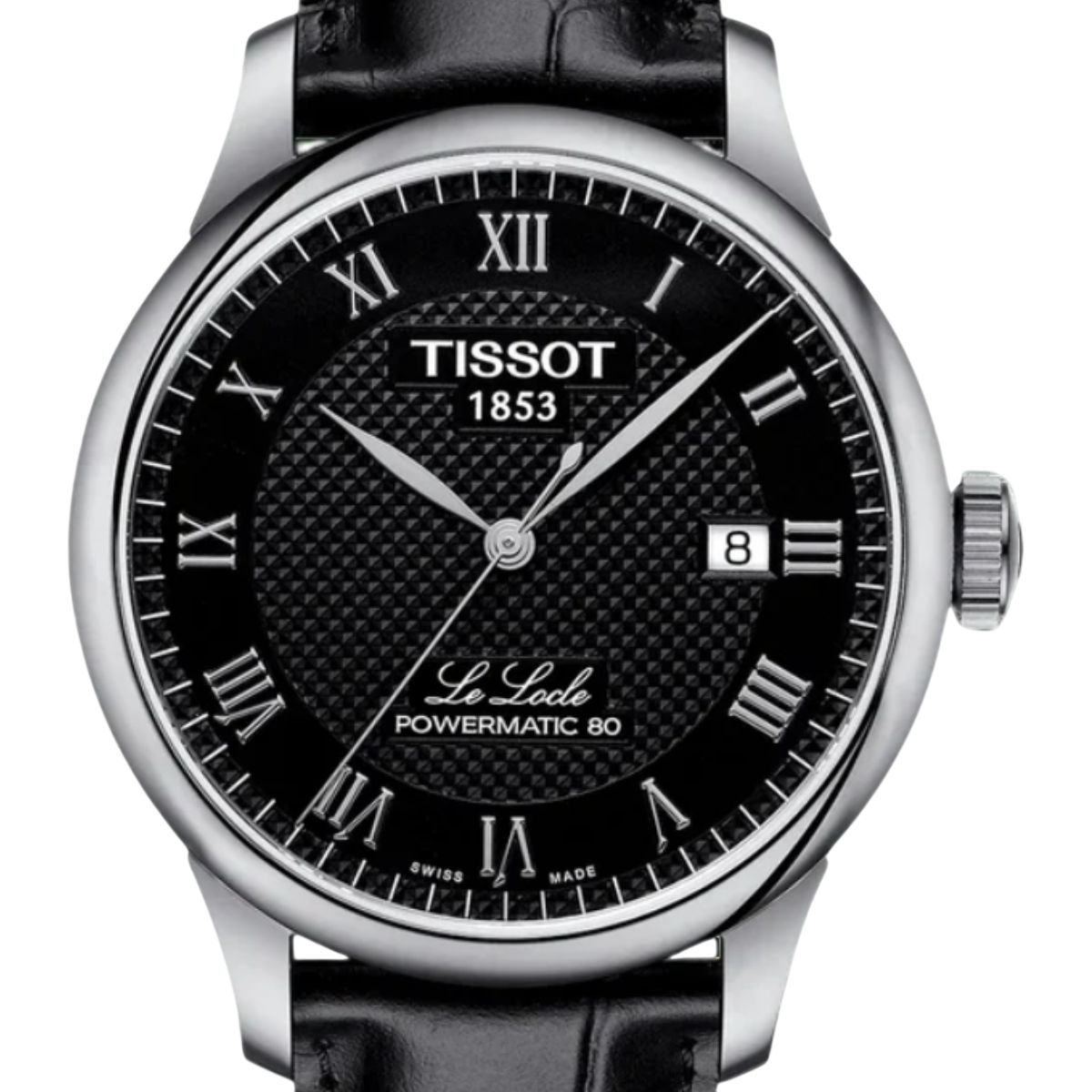
Tissot Le Locle
The Le Locle is an accessible expression of the traditional Swiss dress watch. Roman numerals, guilloché-style dial details and an automatic movement create a formal look at a modest price.
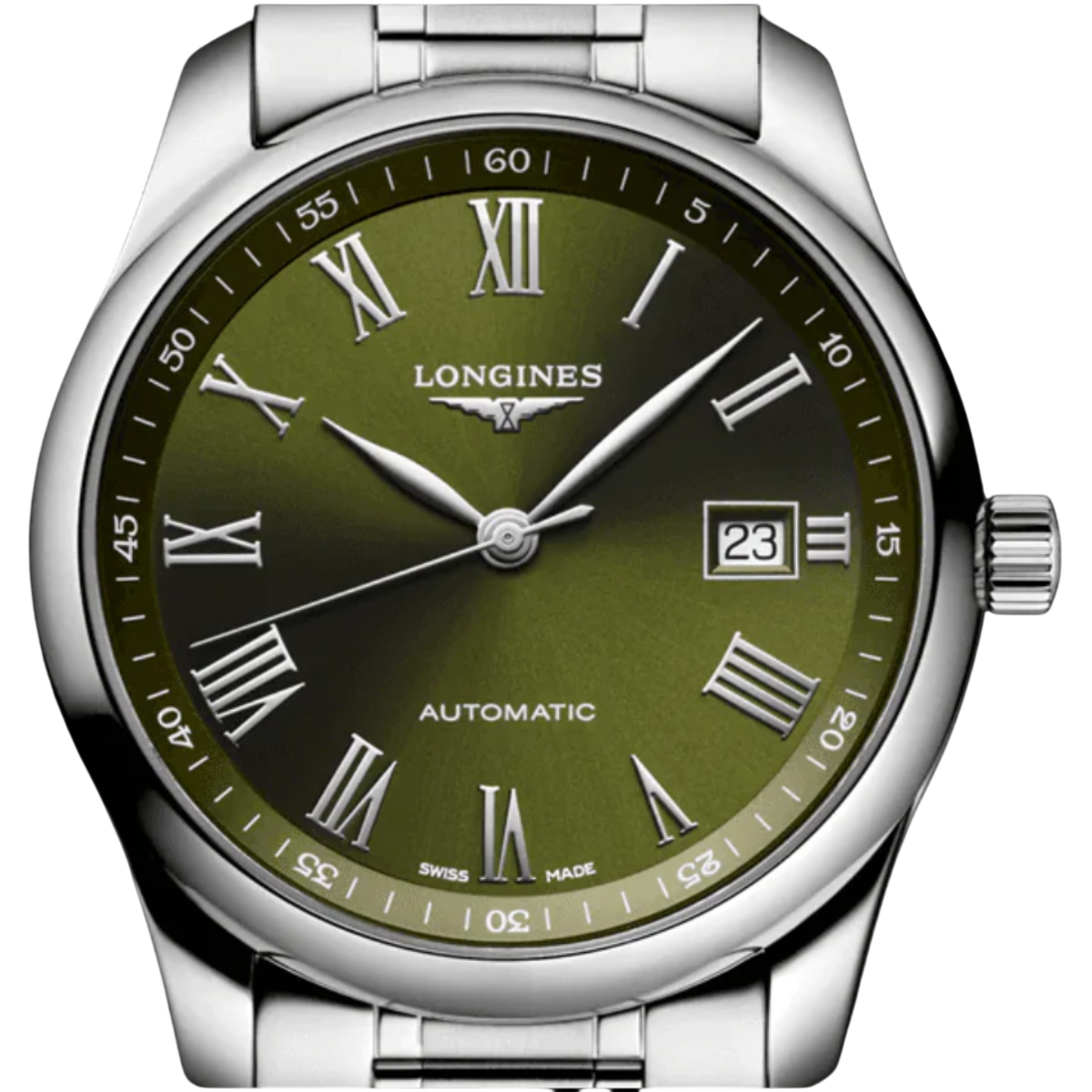
Longines Master Collection
The Master Collection offers a more elevated version of the same traditional idea. Better finishing, richer dial work and a broader range of complications make it the more serious long-term dress-watch proposition.
Choose the Le Locle for traditional Swiss styling at an entry-level price. Choose the Master Collection for refinement, complication depth and stronger long-term appeal. Tissot provides the look; Longines provides the fuller luxury experience.
How the brands compare by category.
These scores assess each brand as a complete modern proposition. Individual references may perform differently.
Which brand is right for you?
The central question is whether you want the strongest possible entry into Swiss watchmaking or a more refined and prestigious long-term purchase.
You want maximum watch for an accessible price.
Tissot offers credible Swiss construction, attractive design and strong automatic movements without demanding a traditional luxury budget.
- You are buying your first Swiss mechanical watch
- You want modern design at an attainable price
- You value long power reserves and practical specification
- You prefer affordability to prestige or resale
You want a clear step into traditional luxury.
Longines offers better finishing, richer heritage and a broader collection capable of supporting long-term ownership and future collecting.
- You want a more refined case, dial and bracelet
- You value aviation, timing and sporting heritage
- You want stronger prestige and retail presence
- You are comfortable paying more for a more complete experience
The winner for six common buyers.
Tissot
More accessible entry pointLongines
More elevated experienceTissot
Clear value advantageLongines
Better finishing and prestigeTissot
PRX advantageLongines
Broader historical depthDurability, servicing and resale.
Both brands benefit from established service support and practical Swatch Group movement architecture. Tissot is generally less costly to buy and maintain; Longines provides the more elevated ownership experience.
Daily durability
Both brands offer robust sports and everyday watches. Tissot is excellent for low-risk daily use, while Longines usually adds more refined case finishing, bracelets and tactile quality.
Servicing
Tissot is generally the less expensive brand to service. Longines movements remain practical and well supported, but higher retail prices and more complex references can increase maintenance costs.
Resale
Neither brand should be treated primarily as an investment. Longines usually benefits from stronger prestige and recognition, while Tissot values are especially sensitive to retail discounting.
Tissot vs Longines: common questions.
Longines is generally stronger for finishing, heritage depth, prestige and long-term luxury appeal. Tissot is stronger for affordability, entry-level value and contemporary design.
Yes. Both brands belong to the Swatch Group, but they occupy different market positions. Tissot focuses on accessible Swiss watches, while Longines sits higher within the group’s luxury portfolio.
The PRX offers stronger design impact and value at a much lower price. The Conquest provides better finishing, greater versatility and a more elevated luxury-watch experience.
Both use reliable Swatch Group movement architecture. Tissot offers exceptional value through Powermatic 80 calibres, while Longines generally receives more refined and higher-positioned movement specifications.
Longines generally performs somewhat better because of its higher prestige and retail position. Neither brand reliably retains value across every model, and the original purchase price matters significantly.
Tissot is usually the better first Swiss watch because it offers authentic Swiss construction, broad choice and strong mechanical value at accessible prices. Longines is preferable when the buyer wants a more luxurious first purchase.
Longines wins overall. Tissot wins the entry-level value argument.
Longines is the stronger complete luxury-watch proposition. Its finishing, heritage, prestige and collection depth justify its higher position and make it the better long-term purchase for most buyers able to afford the difference.
Tissot remains one of the smartest entry points into Swiss watchmaking. The PRX, Seastar and Le Locle demonstrate how much design, specification and mechanical substance can be offered below traditional luxury pricing. For buyers focused on value rather than prestige, Tissot may be the more rational choice.