IWC versus Omega
IWC and Omega are two of Switzerland’s most respected luxury watchmakers, but they appeal in different ways. IWC builds much of its identity around purposeful engineering, aviation, restrained design and large, highly legible watches. Omega offers a broader collection, more visible movement technology and some of the most recognisable sports watches in the world.
Choose IWC for refined tool-watch character, pilot-watch authority and understated design. Choose Omega for movement technology, collection breadth, stronger dive-watch credentials and the more versatile all-round proposition.

Which brand wins where?
IWC is the more focused brand; Omega is the more complete one. The right choice depends on whether you want specialist character or broader technical and stylistic range.
IWC and Omega at a glance.
Both brands combine serious watchmaking with strong historical identities. IWC is more concentrated around engineering-led design, pilot’s watches and refined complications. Omega spreads its strengths across sport, diving, space, everyday watches and technical innovation.
IWC
Engineered restraintOmega
Technical all-rounderFocused engineering versus technical breadth.
IWC tends to reduce a watch to its essential purpose and visual structure. Omega is more willing to make movement technology, historical associations and technical specifications part of the visible appeal.
The instrument watch made architectural.
IWC’s strongest watches feel engineered rather than decorated. Clear numerals, balanced cases and disciplined dial layouts give even large watches a sense of control and purpose.
- Exceptional authority in modern pilot’s watches
- Strong preference for clarity, proportion and legibility
- Complications presented with visual restraint
- A quieter and less immediately recognisable luxury identity
Performance, history and innovation made visible.
Omega connects advanced movements with major cultural and professional associations. Its watches often communicate their technical purpose more openly through bezels, dials and case architecture.
- Strong co-axial and anti-magnetic movement positioning
- Exceptional space, diving and sporting heritage
- Broader range of sizes, colours and professional functions
- Greater mainstream recognition across the collection
The closest head-to-head comparisons.
The brands do not always produce exact equivalents. These pairings compare watches likely to compete for the same buyer, use or place within a collection.
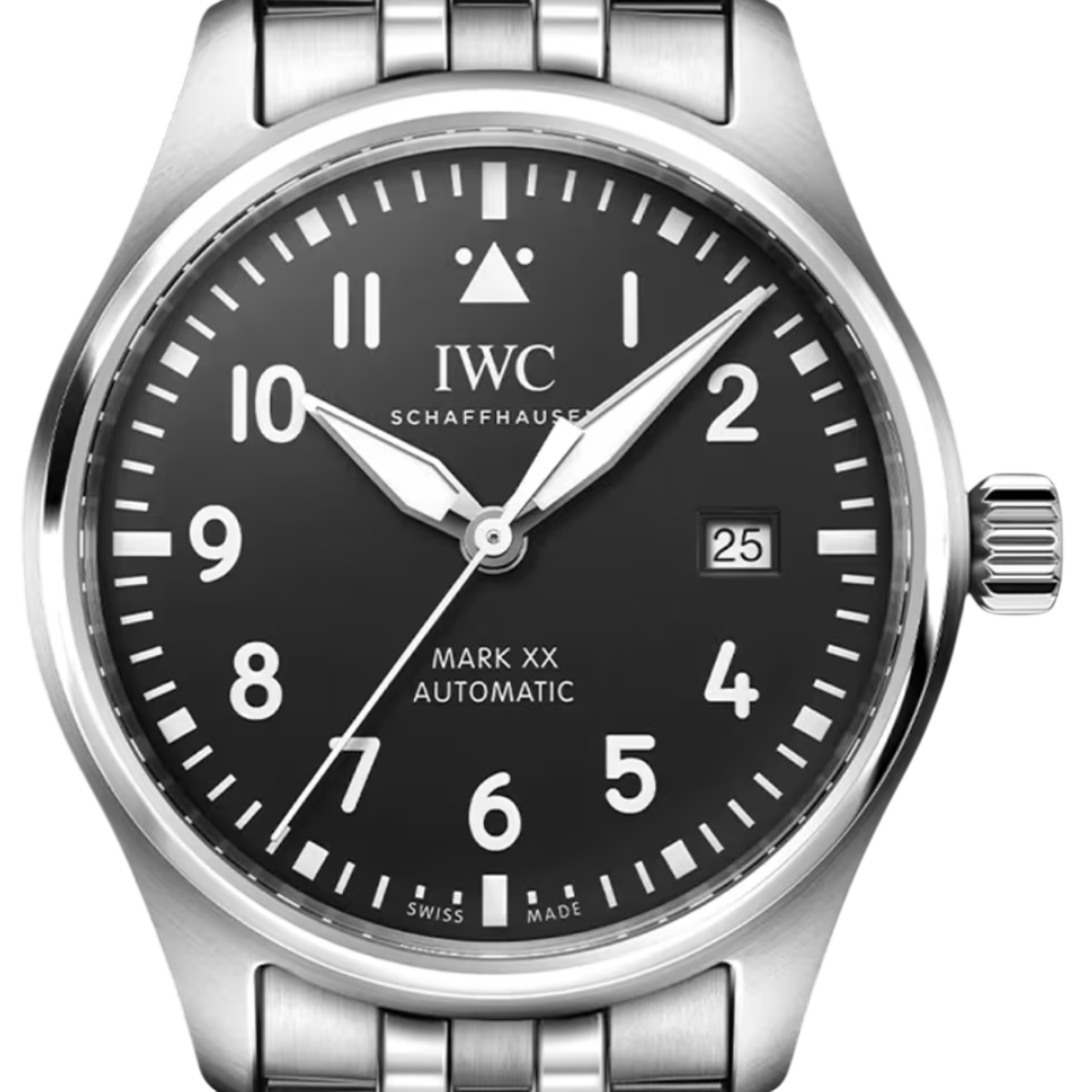
IWC Mark XX
The Mark XX is cleaner, more focused and more obviously rooted in aviation. Its appeal lies in simplicity, legibility and the feeling of a professional instrument refined for everyday use.
Omega Seamaster Aqua Terra
The Aqua Terra is more technically expressive and more adaptable across work, travel and leisure. It combines strong water resistance with a movement specification designed for modern daily wear.
Choose the Mark XX for purity, aviation character and quiet design. Choose the Aqua Terra for movement technology and greater one-watch versatility. Omega wins rationally; IWC wins on focused personality.

IWC Pilot’s Watch Chronograph 41
The IWC is the more practical and contemporary chronograph. Automatic winding, bold numerals and strong case architecture make it feel like a modern professional instrument.

Omega Speedmaster ’57
The Speedmaster ’57 is more restrained and traditional. Its slimmer form and manual-wind movement create a more deliberate, enthusiast-led ownership experience.
Choose IWC for automatic convenience, legibility and aviation character. Choose Omega for vintage proportion, movement interaction and broader historical resonance.

IWC Portugieser Automatic 40
The Portugieser is larger, airier and more distinctive. Its railway-track scale, leaf hands and spacious dial create an elegant watch that still feels unmistakably technical.

Omega De Ville Prestige
The De Ville is more conventional and discreet. It offers a softer, more traditional dress-watch aesthetic that works naturally with formal clothing.
IWC wins for identity, dial architecture and presence. Omega is the more conservative and potentially easier formal choice. The Portugieser is the more memorable watch.
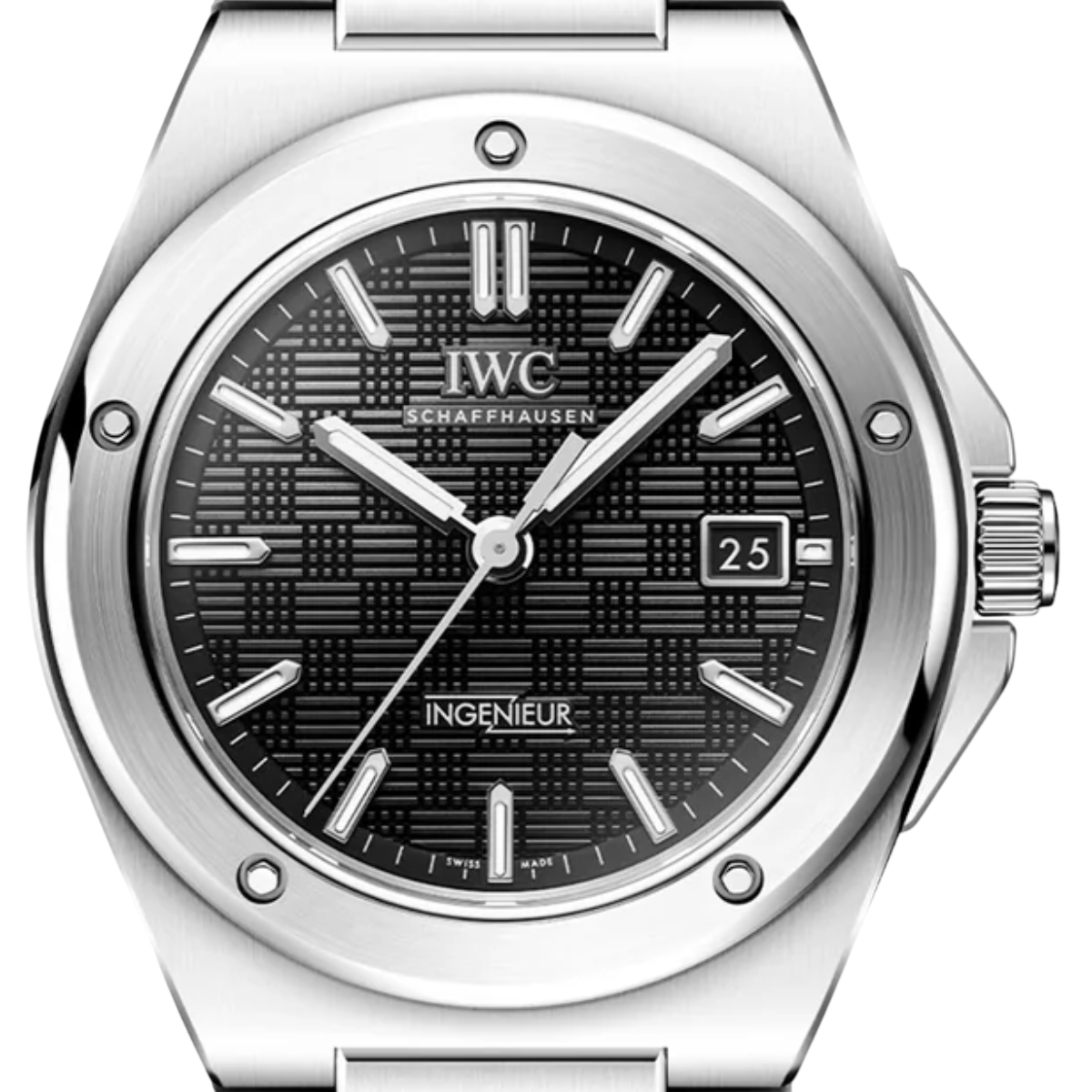
IWC Ingenieur Automatic 40
The Ingenieur is one of the cleanest interpretations of the modern luxury sports watch. Its integrated bracelet, sculptural case and textured dial give it a distinctive architectural feel, while excellent proportions make it surprisingly wearable. It is less overtly technical than the Seamaster, but offers a more design-led ownership experience.

Omega Seamaster Diver 300m
The Seamaster Diver 300M is one of the world’s best-known luxury dive watches. With its ceramic bezel, wave-pattern dial, helium escape valve and Master Chronometer movement, it combines genuine diving capability with outstanding everyday practicality. It is the more overtly sporting watch of the two.
Choose the Ingenieur if design, case architecture and understated luxury matter most. Choose the Seamaster Diver 300M if you want greater versatility, stronger technical specifications and one of the finest modern sports watches available. The IWC feels more exclusive; the Omega is the more capable all-rounder.
How the brands compare by category.
These scores assess each brand as a complete modern luxury-watch proposition. Individual references may perform differently.
Which brand is right for you?
The key question is whether you want a watch with a narrow, highly focused identity or one supported by broader technical and stylistic range.
You want quiet authority and purposeful design.
IWC is strongest when its watches feel like refined instruments: clear, architectural and less immediately recognisable than the most obvious luxury choices.
- You are drawn to aviation, legibility and functional design
- You prefer understated branding and restrained luxury
- You value case architecture and dial clarity
- You want a watch that feels specialist rather than universal
You want the stronger all-round proposition.
Omega is easier to recommend without knowing the buyer. Its range offers stronger movement technology, more professional sports options and greater everyday flexibility.
- You prioritise anti-magnetism and chronometric performance
- You want one brand covering diving, travel, sport and formal use
- You value space, Olympic and maritime associations
- You want broader recognition and secondary-market demand
The winner for six common buyers.
Omega
Broader all-round appealIWC
Clear category leaderOmega
Aqua Terra advantageIWC
More restrained identityOmega
Stronger specificationIWC
Portugieser advantageDurability, servicing and resale.
Both brands make robust luxury watches and maintain established service networks. The ownership difference is less about basic quality than collection breadth, resale demand and the specific complication chosen.
Daily durability
Omega has the broader advantage across dive and sports watches. IWC’s pilot’s watches are also highly capable, but some Portugieser and Portofino references are more formal in character.
Servicing
Both brands have established authorised service support. More complex chronographs and calendar models cost more to maintain than simple three-hand watches, regardless of brand.
Resale
Omega generally has stronger recognition on the secondary market, particularly for major Speedmaster and Seamaster references. IWC resale varies more substantially by collection and purchase price.
IWC vs Omega: common questions.
Omega is the stronger all-round brand for movement technology, sports-watch breadth and everyday versatility. IWC may be better for buyers who value pilot’s watches, understated design and refined engineering.
Both are respected luxury watchmakers. Omega has broader public recognition, while IWC often carries greater specialist appeal among buyers drawn to aviation, engineering and restrained design.
Omega generally has the advantage, particularly for major Speedmaster and Seamaster references. Resale for both brands depends heavily on the specific model, condition and original purchase price.
The Mark XX is more focused, aviation-led and visually restrained. The Aqua Terra offers stronger movement technology and greater versatility. IWC has more specialist character; Omega is the safer all-rounder.
Omega is usually the easier first luxury watch because its collection offers broad versatility, strong movement technology and greater mainstream recognition. IWC is preferable when pilot-watch design or understated styling is the main attraction.
IWC uses manufacture calibres across important parts of its current collection, while its broader historical and modern catalogue has also included movements based on external architectures. The exact answer depends on the reference.
Omega wins overall. IWC remains the more focused choice.
Omega is the stronger general recommendation. Its movement technology, dive-watch depth, chronograph range and everyday versatility make it easier to recommend as a first or only luxury watch.
IWC offers a more concentrated identity. The Mark XX, Big Pilot, Portugieser and Ingenieur each express a disciplined approach to engineering and design. Buyers who connect with that restraint may find IWC more satisfying precisely because it is less universal.