Omega
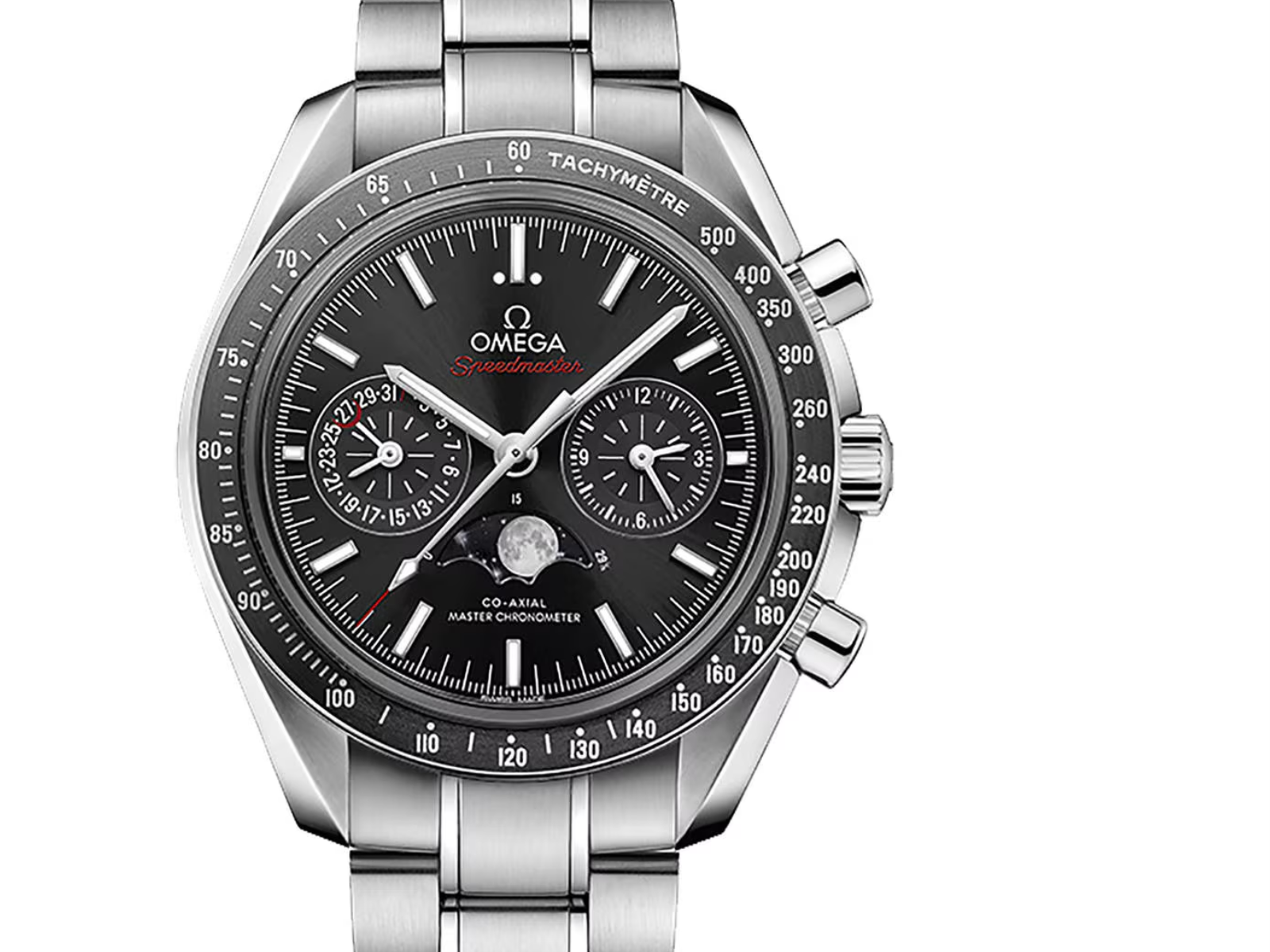
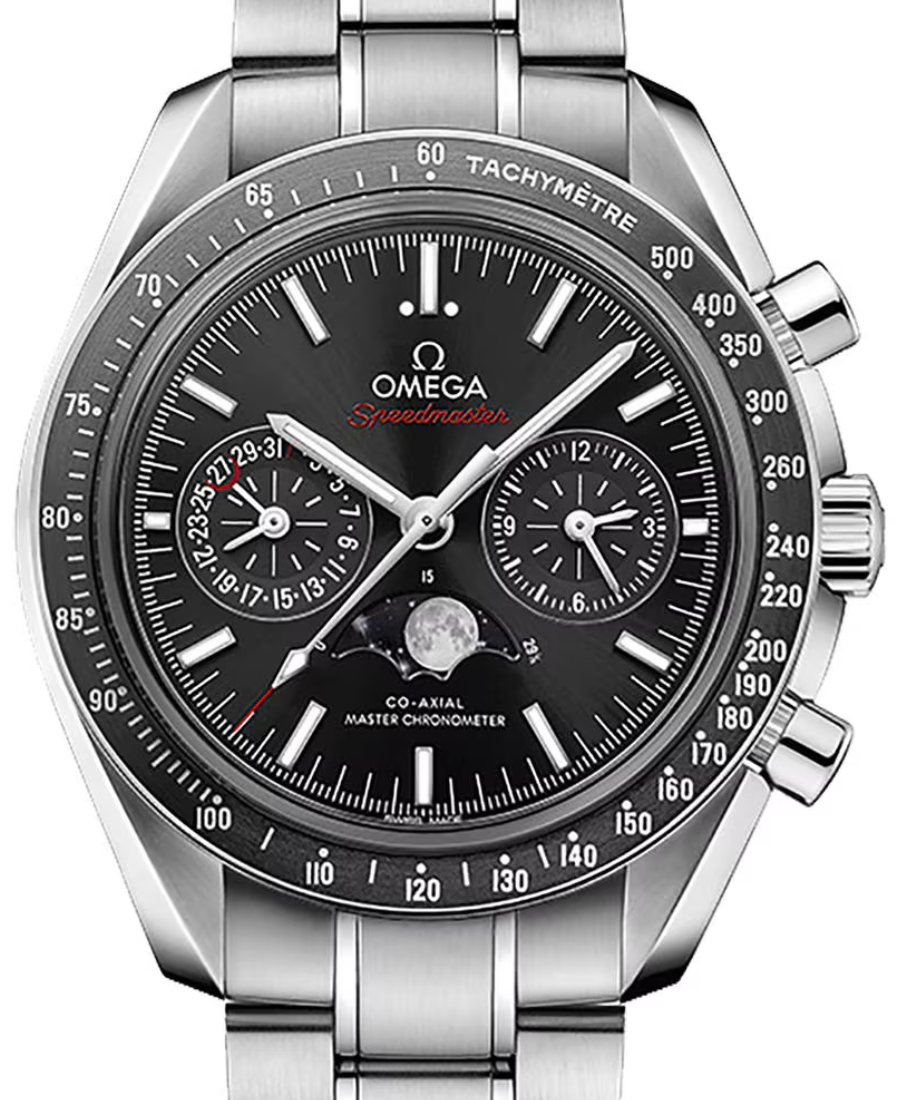
Technical heritage with unusually broad range.
Omega occupies a rare position in modern watchmaking: historically important, technically credible, and still accessible enough to remain a genuine enthusiast brand rather than a purely status-driven purchase.
The Speedmaster and the Moon landing alone would secure Omega’s place in watchmaking history, but the brand’s significance runs deeper: Olympic timing, military supply history, professional dive watches, anti-magnetic movement development, the co-axial escapement and one of the strongest chronograph traditions in Swiss watchmaking.
Modern Omega movements are also genuinely impressive, with Master Chronometer certification, high anti-magnetic resistance, co-axial escapements and robust daily reliability.
For many buyers, Omega remains one of the most compelling places where engineering, heritage and real-world wearability still meet.
Brand overview
Omega blends technical innovation with everyday wearability. From professional tool watches to refined dress pieces, the range is exceptionally strong.
Best suited to
Buyers who value engineering, history and versatility without leaning entirely on brand status.
Where it excels
- Iconic designs with real heritage
- Strong modern movements
- Excellent all-round usability
Points to consider
Limited editions, oversized references and secondary-market premiums can complicate otherwise sensible buying decisions.
Best Omega watches

Speedmaster Professional
The historically significant modern chronograph and the natural Omega starting point.

Seamaster Diver 300M
The versatile modern Omega sports watch with strong everyday appeal.

Aqua Terra
Omega’s best all-round daily wearer: clean, capable and understated.

Speedmaster ’57
A modern take on early Speedmaster design, often more elegant on the wrist.

De Ville Prestige
A quieter dress option for buyers who want restraint rather than spectacle.
The enthusiast’s luxury sports brand.
Omega still feels meaningfully connected to engineering and exploration rather than purely status signalling.
In a marketplace where Rolex dominates recognition and Patek Philippe dominates prestige, Omega occupies the space between technical credibility and attainable collecting.
For many buyers, that balance makes Omega one of the easiest luxury brands to actually live with. The watches are recognisable without being quite as socially loaded, technically impressive without becoming obscure, and broad enough to suit very different styles of ownership.
Omega’s strength is that it still offers genuine watchmaking substance without requiring the buyer to treat the watch as an investment object first.
Related guides & comparisons

Omega vs Rolex
Two giants with very different philosophies of luxury, status and watchmaking value.

Best Watches Under £5,000
Where Omega remains one of the strongest names across sports, dress and everyday categories.

Best Daily Wear Watches
The blend of versatility, durability and long-term comfort that matters most.

Vintage Omega Guide
What to look for, which references stand out, and where vintage Omega still offers appeal.