Longines versus Omega
Longines and Omega share deep Swiss heritage, strong sporting associations and broad modern collections, but they occupy different positions in the luxury market. Longines offers exceptional design, history and specification at accessible prices. Omega moves further into technical innovation, manufacture movements, professional sports watches and global prestige.
Choose Longines for value, classical design and an easier entry into Swiss luxury. Choose Omega for movement technology, stronger professional credentials, broader prestige and the more complete long-term ownership proposition.

Which brand wins where?
Longines wins when value, heritage styling and accessibility matter most. Omega wins when technical performance, status and collection depth become the priority.
Longines and Omega at a glance.
Both brands have credible histories and recognisable collections. Their main difference is not legitimacy, but market position, movement ambition and price.
Longines
Accessible heritageOmega
Technical prestigeAccessible tradition versus technical ambition.
Longines uses its archive to deliver elegant and practical watches at competitive prices. Omega places greater emphasis on movement engineering, certification and professional capability.
History translated into attainable luxury.
Longines is strongest when it combines archival design with modern practicality. Pilot’s watches, divers, chronographs and dress watches retain a sense of historical continuity without becoming inaccessible.
- Exceptional archive of aviation, timing and diving designs
- Strong emphasis on classical proportion and wearability
- Competitive pricing across automatic and quartz collections
- Luxury communicated through heritage rather than exclusivity
Engineering performance made part of the identity.
Omega builds its modern position around precision, anti-magnetism, co-axial escapements and professional-watch credibility. Its technical story is central rather than secondary.
- Strong Master Chronometer and anti-magnetic positioning
- Exceptional space, diving and sporting associations
- Broader range of professional and high-specification watches
- Greater public recognition and luxury-market authority
The closest head-to-head comparisons.
These pairings illustrate where Longines can offer a compelling alternative and where Omega’s higher price brings meaningful technical or ownership advantages.
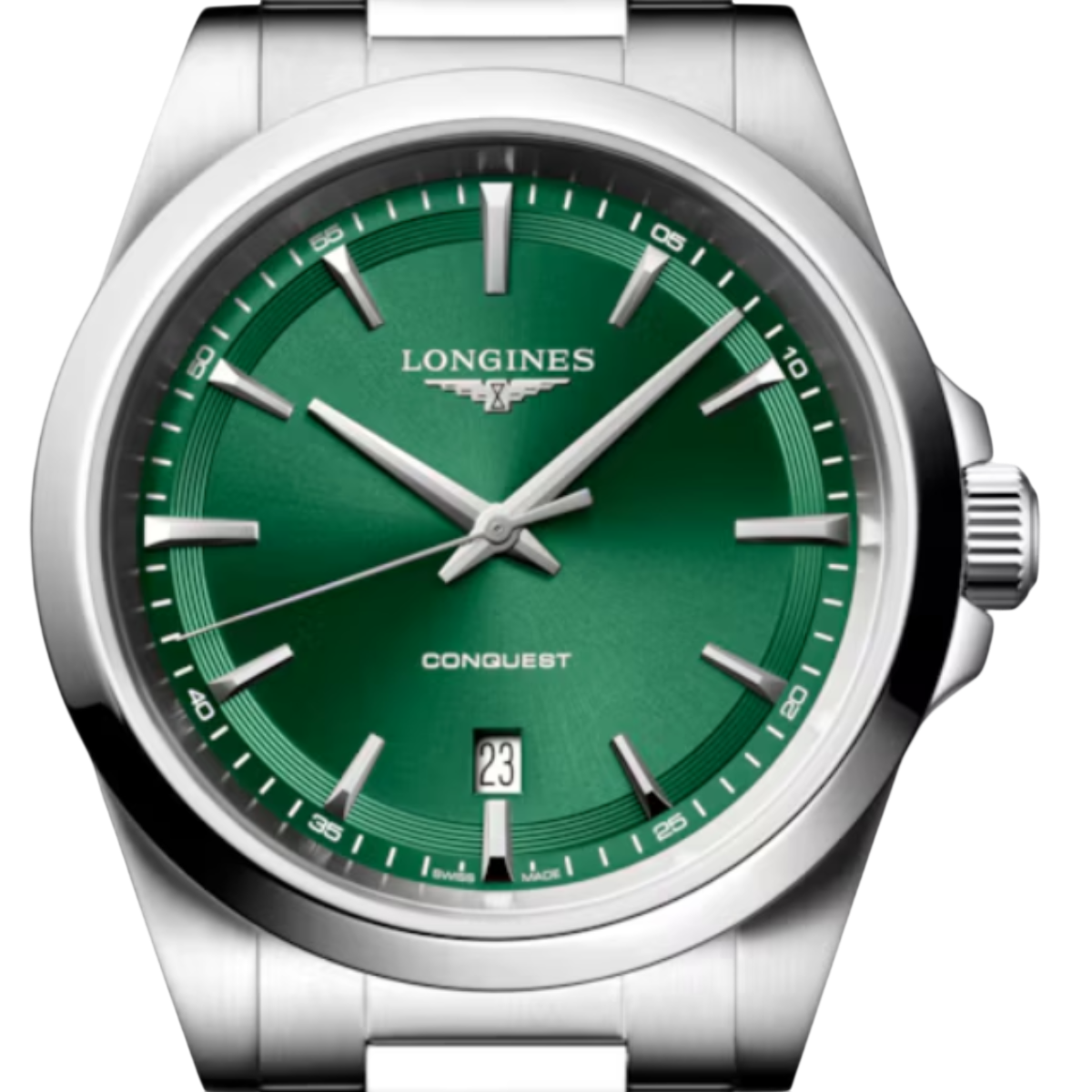
Longines Conquest
The Conquest is one of the most convincing everyday Swiss watches at its price. It combines clean design, useful water resistance and an automatic movement in a package that can move easily between work and leisure.
Omega Seamaster Aqua Terra
The Aqua Terra offers a more advanced movement, finer finishing and stronger brand prestige. It performs the same everyday role but adds a more technically ambitious and luxurious ownership experience.
Choose the Conquest for value and straightforward versatility. Choose the Aqua Terra for movement technology, finishing and long-term prestige. The Longines delivers much of the function; the Omega delivers the fuller luxury experience.

Longines HydroConquest
The HydroConquest offers the core specification most buyers need from a modern dive watch. It is robust, legible and visually confident without requiring a major luxury-watch budget.

Omega Seamaster Diver 300M
The Seamaster Diver 300M is more technically advanced and more distinctive. Its wave dial, ceramic components, helium escape valve and high-specification movement make it a genuine luxury professional watch.
The HydroConquest is the value winner and provides excellent real-world capability. The Seamaster wins for movement technology, finishing, design identity and prestige. Omega is better; Longines is far more affordable.

Longines Spirit Zulu Time
The Spirit Zulu Time is one of the strongest travel watches in its price category. It combines a useful independently adjustable local-hour hand with aviation styling, strong finishing and practical everyday proportions.

Omega Aqua Terra Worldtimer
The Aqua Terra Worldtimer is the more elaborate and luxurious travel watch. Its world-time display, highly detailed dial and advanced movement place it in a substantially higher technical and price category.
Choose the Zulu Time for clarity, value and straightforward GMT functionality. Choose the Worldtimer for technical theatre, finishing and global-time capability. Longines is the practical choice; Omega is the aspirational one.
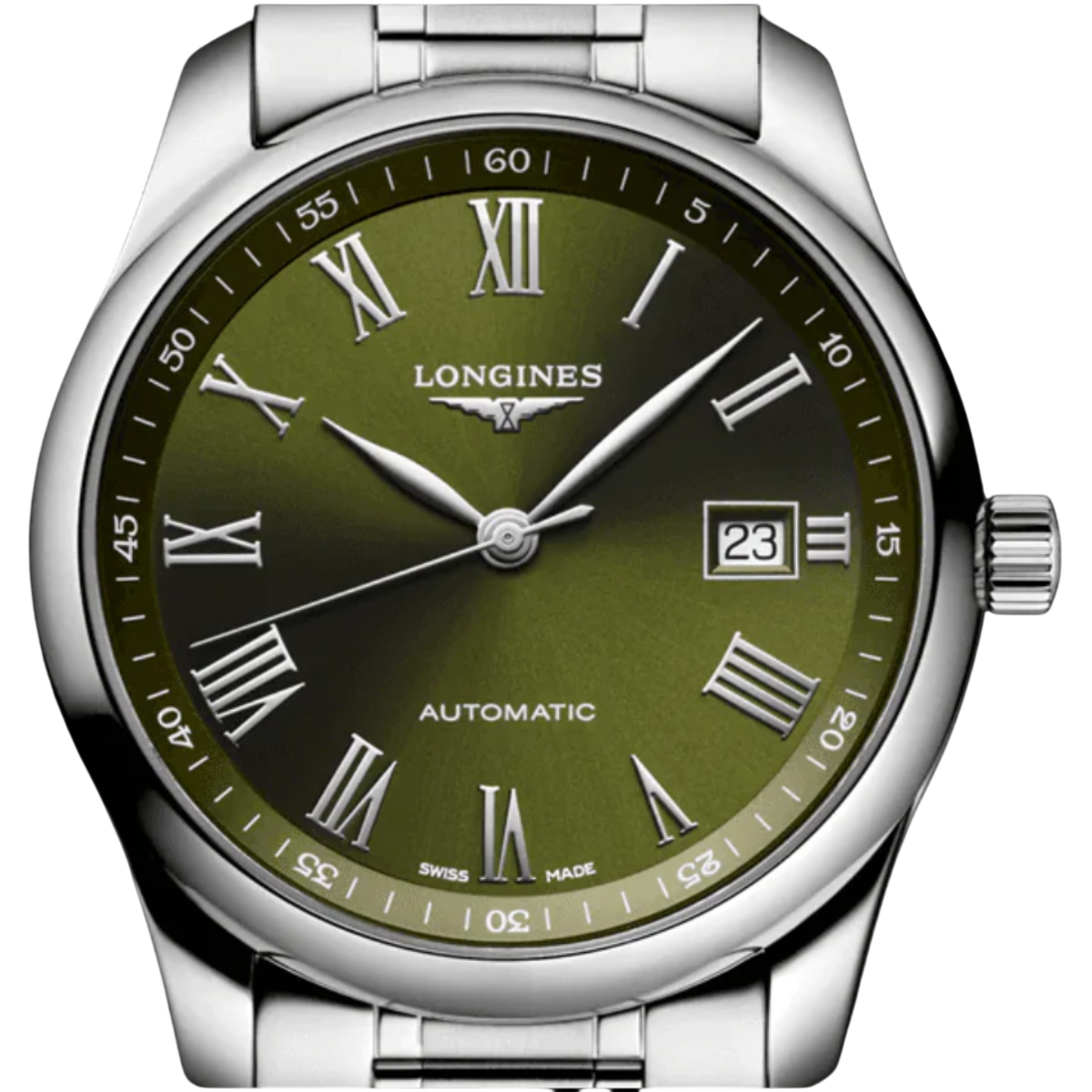
Longines Master Collection
The Master Collection offers traditional Swiss styling across a wide range of automatic references, from simple date watches to chronographs, moon phases and calendar complications.

Omega De Ville Prestige
The De Ville Prestige is more restrained and more premium in execution. It offers a cleaner route into Omega’s dress-watch range, with stronger brand recognition and a more elevated ownership experience.
Longines offers more variety and complication for the money. Omega offers better movement positioning, finishing and prestige. Choose the Master Collection for value; choose the De Ville for refinement and brand strength.
How the brands compare by category.
These scores reflect each brand’s present-day collection and market position rather than the quality of every individual reference.
Which brand is right for you?
The decision is largely about how much you value technical advancement and prestige relative to price.
You want maximum watch for the money.
Longines offers genuine heritage, attractive design and strong specifications without requiring the financial commitment of a higher luxury tier.
- You want a first serious Swiss luxury watch
- You prefer classical or heritage-led design
- You value GMT, dive or complication features at accessible prices
- You care more about the watch than broad status recognition
You want the stronger complete luxury proposition.
Omega offers more advanced movements, more professional capability and greater prestige. It is the stronger choice when budget is not the main constraint.
- You prioritise Master Chronometer movement performance
- You want stronger space, diving or sporting associations
- You value brand recognition and secondary-market demand
- You want a watch that can anchor a long-term collection
The winner for six common buyers.
Longines
More accessible entry pointOmega
Stronger all-round propositionLongines
Exceptional range and valueOmega
Seamaster advantageLongines
Zulu Time advantageOmega
Stronger luxury positionWarranty, servicing and resale.
Both brands offer established support, but Omega’s more complex movements and higher retail prices generally create a more expensive ownership experience.
Warranty
Longines provides five-year coverage for mechanical watches and two-year coverage for other models under its international warranty. Omega provides a five-year international warranty on new watches.
Servicing
Longines is generally less expensive to maintain. Omega’s co-axial and Master Chronometer movements are sophisticated, but authorised servicing can cost more, particularly for chronographs and complex models.
Resale
Omega usually has stronger secondary-market recognition, particularly for Speedmaster and Seamaster references. Longines values are more price-sensitive, making discounted purchase prices especially important.
Longines vs Omega: common questions.
Omega is generally stronger for movement technology, professional-watch capability, finishing and prestige. Longines offers better value and a more accessible route into heritage Swiss watchmaking.
Yes. Longines is a historic Swiss luxury watchmaker, although it occupies a more accessible price tier than Omega. Its lower pricing reflects market positioning rather than an absence of heritage or quality.
Longines generally offers better value at retail. Models such as the Conquest, HydroConquest and Spirit Zulu Time provide strong specifications and design at prices well below comparable Omega watches.
The Conquest is the stronger value purchase. The Aqua Terra offers a more advanced movement, finer finishing, stronger prestige and a more elevated ownership experience.
Omega generally holds value better, especially for major Speedmaster and Seamaster references. Neither brand should be treated as a guaranteed investment, and purchase price remains important.
Longines is often the better first luxury watch for buyers who want strong heritage and quality without committing to Omega-level pricing. Omega is preferable when budget allows and long-term prestige is the priority.
Omega wins overall. Longines wins the value argument.
Omega is the stronger luxury-watch proposition. Its movements, professional collections, finishing, prestige and secondary-market recognition justify its position above Longines.
Longines remains one of the smartest choices in Swiss watchmaking. The Conquest, Spirit Zulu Time, HydroConquest and Master Collection demonstrate how much history, design and specification can be offered below Omega’s price level. For buyers focused on value rather than status, Longines may be the more rational purchase.