Omega versus Rolex
Omega and Rolex are the two names most often compared at the centre of modern Swiss luxury watchmaking. Omega offers greater movement variety, more visible technical innovation and some of the strongest space and diving heritage in the industry. Rolex counters with exceptional durability, tighter collection discipline, stronger resale and an unmatched level of global recognition.
Choose Omega for movement technology, technical variety and stronger value at retail. Choose Rolex for durability, resale strength, status recognition and the more secure long-term ownership proposition.

Which brand wins where?
Omega is usually the more technically expressive and better-value brand. Rolex remains the stronger ownership proposition when durability, recognition and resale are considered together.
Omega and Rolex at a glance.
Both brands combine serious mechanical watchmaking with major historical associations. Their modern strategies differ: Omega makes technical innovation highly visible, while Rolex refines a smaller number of enduring designs with exceptional consistency.
Omega
Technical breadthRolex
Ownership benchmarkVisible innovation versus disciplined evolution.
Omega often asks how new movement technology or historical meaning can reshape the watch. Rolex asks how an already successful watch can be improved without disturbing its essential identity.
Technical progress made part of the product story.
Omega places movement architecture, anti-magnetism, certification and professional heritage at the centre of the ownership experience. Its watches often invite the buyer to engage with specification as well as design.
- Co-axial escapements and strong anti-magnetic positioning
- Exceptional space, maritime and sporting associations
- Greater range of case sizes, colours and technical formats
- Stronger value at retail across much of the collection
The professional watch perfected through consistency.
Rolex rarely changes direction abruptly. Cases, bracelets, movements and materials improve gradually while the core visual language remains protected across generations.
- Exceptional consistency across cases, bracelets and movements
- Strong emphasis on water resistance and daily durability
- Highly controlled design evolution and collection discipline
- Unmatched recognition and secondary-market demand
The closest head-to-head comparisons.
These four pairings cover the models most likely to compete directly for the same buyer: chronographs, divers, everyday luxury watches and serious professional dive watches.
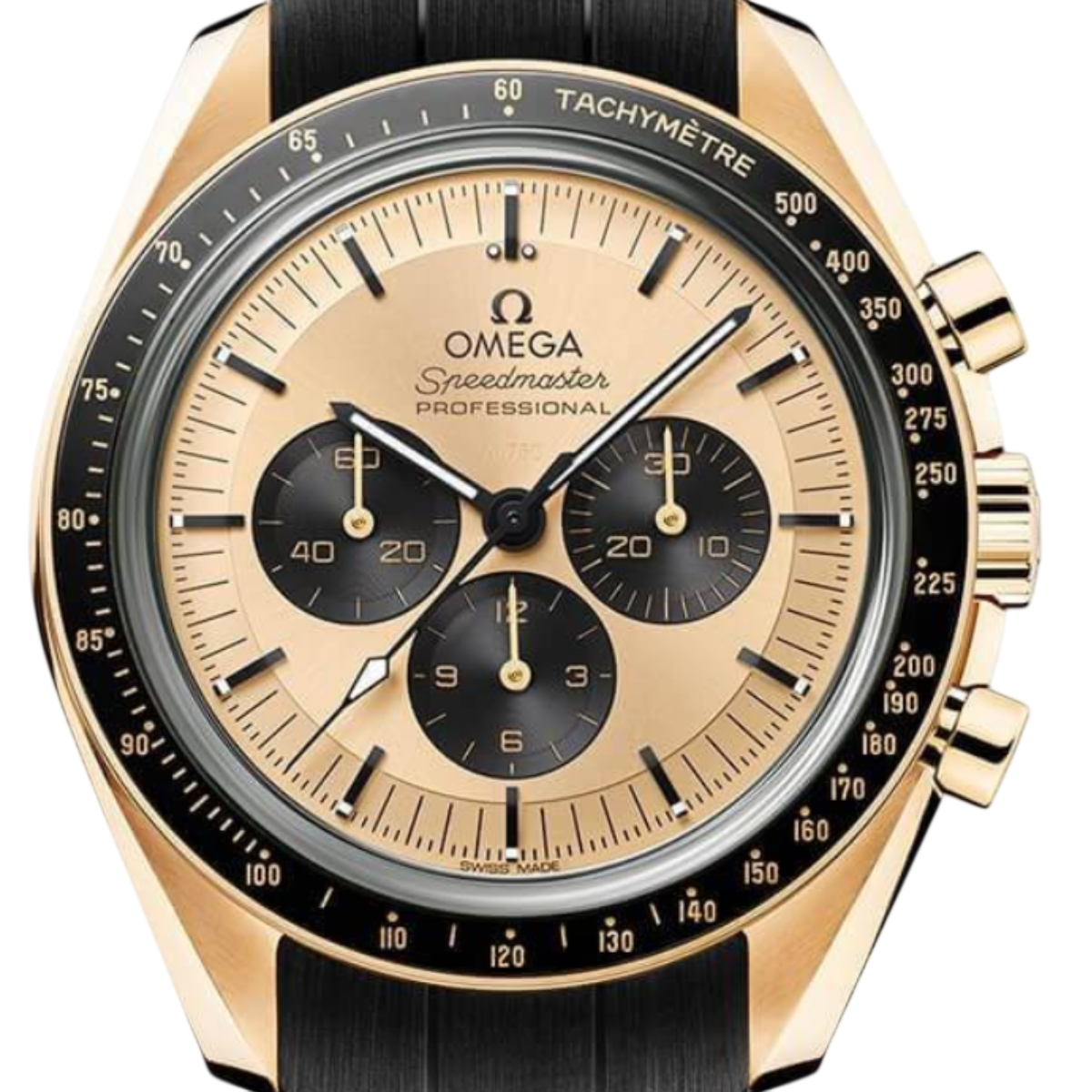
Omega Speedmaster Professional
The Speedmaster is the more historically transparent and enthusiast-led chronograph. Its manual-wind movement, restrained dial and space heritage create a highly distinctive ownership experience at a comparatively attainable price.

Rolex Cosmograph Daytona
The Daytona is more compact, more robust and far more difficult to obtain at retail. Its automatic movement, Oyster case and status make it one of the most desirable modern chronographs.
Choose the Speedmaster for history, value and traditional chronograph engagement. Choose the Daytona for automatic convenience, robustness and resale strength. Omega wins as the enthusiast’s chronograph; Rolex wins as the market icon.

Omega Seamaster Diver 300M
The Seamaster is the more visually expressive and technically demonstrative diver. Its wave dial, ceramic components and anti-magnetic movement offer exceptional specification for the price.
Rolex Submariner
The Submariner is simpler, more restrained and more universally recognisable. Its case, bracelet and bezel feel exceptionally cohesive, while long-term demand remains extremely strong.
Choose the Seamaster for movement specification, design variety and value. Choose the Submariner for coherence, durability, recognisability and resale. Omega offers more technology; Rolex offers the stronger ownership proposition.

Omega Seamaster Aqua Terra
The Aqua Terra is the more technically advanced and less conventional everyday watch. Its movement performance and clean sports-luxury design make it one of Omega’s strongest all-round models.
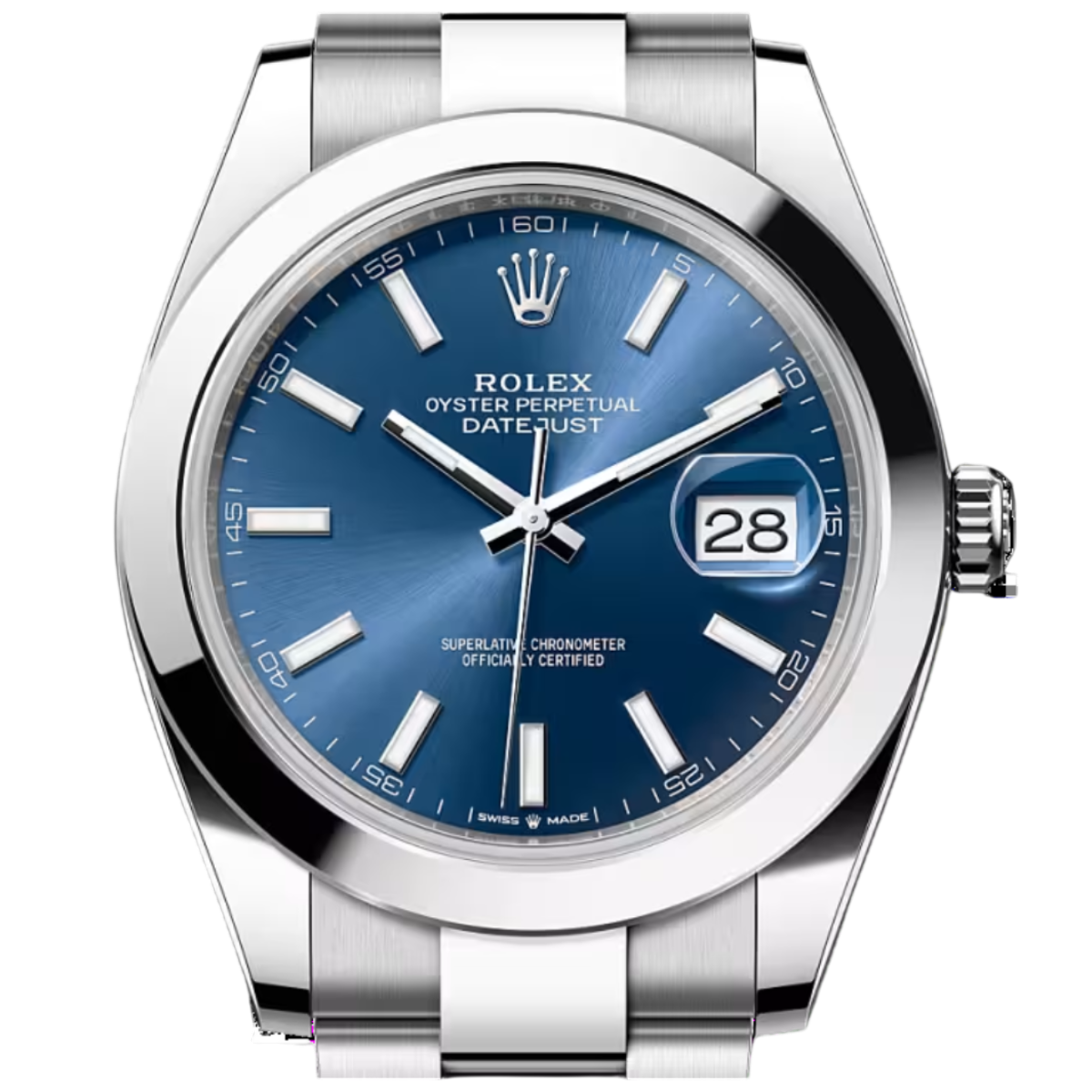
Rolex Datejust
The Datejust offers far more visual configurations and a more established cultural identity. It can appear restrained, sporty, formal or overtly luxurious depending on the chosen bezel, bracelet and dial.
Choose the Aqua Terra for movement technology, anti-magnetism and contemporary understatement. Choose the Datejust for recognisability, configuration choice and resale. Omega wins on engineering; Rolex wins as the enduring everyday icon.
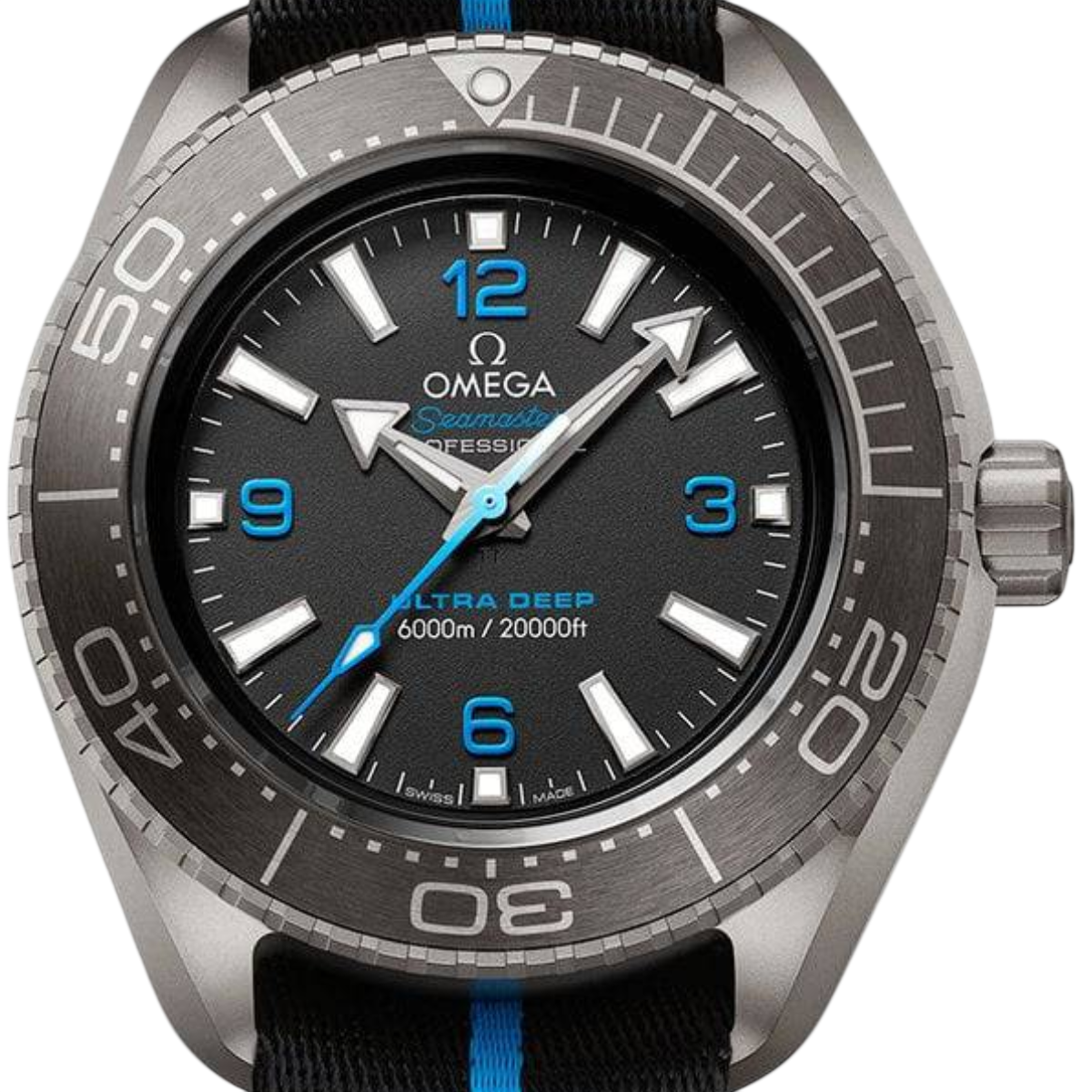
Omega Seamaster Planet Ocean
The Planet Ocean is the more technically expressive deep-water diver. It offers substantial water resistance, a broad range of colours and complications, and the full Omega movement story.

Rolex Sea-Dweller
The Sea-Dweller is more focused and more restrained. It applies Rolex’s familiar tool-watch language to a larger, more capable dive watch designed for serious professional use.
Choose the Planet Ocean for specification, choice and value. Choose the Sea-Dweller for case coherence, long-term demand and a more disciplined professional identity. Omega is the more varied technical package; Rolex is the stronger market object.
How the brands compare by category.
These scores assess each brand as a complete modern luxury-watch proposition. Individual references may perform differently.
Which brand is right for you?
The central choice is between a more technically expressive and varied brand, and a more controlled, recognisable and market-secure one.
You want more technology and choice for the money.
Omega offers a broader range of movement architectures, technical formats and professional watches, usually with easier retail availability.
- You prioritise anti-magnetism and Master Chronometer performance
- You value space, diving or Olympic heritage
- You want stronger value at the point of purchase
- You prefer greater variety in case sizes, colours and functions
You want the strongest all-round ownership proposition.
Rolex offers extraordinary consistency, recognition and resale strength. Its watches are designed to be worn heavily and remain desirable for decades.
- You prioritise durability and bracelet quality
- You want one watch for work, travel and leisure
- You care about long-term demand and ease of resale
- You prefer a watch whose identity is universally understood
The winner for six common buyers.
Omega
Easier availability and valueRolex
Stronger ownership confidenceOmega
More visible technical varietyRolex
Clear market advantageOmega
More specification for the priceRolex
Unmatched brand visibilityDurability, servicing and resale.
Both brands offer strong global support and robust watches. The main differences concern access, maintenance complexity and secondary-market behaviour.
Daily durability
Both brands make highly capable everyday watches. Rolex has the advantage in collection-wide consistency, bracelet design and the confidence created by its Oyster-case philosophy.
Servicing
Both maintain established authorised service networks. Omega’s broader range of chronographs, worldtimers and specialist movements can create greater variation in servicing costs.
Resale
Rolex has the clear overall advantage. Omega resale is strongest for major Speedmaster and Seamaster references, but generally remains more sensitive to model and original purchase price.
Omega vs Rolex: common questions.
Rolex is generally stronger for durability, recognition, resale and consistency. Omega is often stronger for movement technology, model variety and value at retail.
Rolex has broader global status recognition and stronger secondary-market demand. Omega remains one of the most respected Swiss luxury watchmakers, with exceptional technical and historical credibility.
Omega offers greater movement variety and places more visible emphasis on co-axial technology, anti-magnetism and certification. Rolex movements are exceptionally consistent, durable and designed for long-term daily use.
The Seamaster offers stronger value, more visible technology and greater design variety. The Submariner is more coherent, recognisable and generally stronger for resale.
Rolex generally holds value better across a larger proportion of its collection. Omega can perform strongly in selected Speedmaster and Seamaster references, but outcomes vary more by model.
Omega is often the easier first purchase because it offers excellent technology, broad choice and better retail availability. Rolex may be the stronger long-term ownership proposition when access and budget are not constraints.
Rolex wins as ownership. Omega wins on technology and value.
Rolex is the stronger overall ownership proposition. Its durability, collection discipline, recognisability and secondary-market strength make it the safer choice for buyers seeking one long-term luxury watch.
Omega remains the more technically generous brand. It offers greater movement variety, stronger retail value and a broader range of professional watches. Buyers who care more about engineering and choice than status or resale may find Omega the more compelling purchase.