Best Investment Watches
The strongest investment watches combine enduring demand, constrained supply, recognisable design and a market deep enough to support resale. None is guaranteed to rise in value, but these models possess the clearest long-term collectible credentials.
What makes a watch investable?
An expensive watch is not automatically an investment watch. The models most capable of retaining or increasing value usually combine persistent demand, restricted availability, recognisable design, a strong collecting community and enough market activity to establish credible prices.
Our selection rewards brand strength, reference-level scarcity, secondary-market liquidity, historical importance, condition sensitivity, provenance and long-term collector appeal. We have deliberately avoided presenting appreciation as certain: transaction costs, servicing, insurance and changing fashion can materially reduce returns.
Watches are collectible luxury goods, not regulated financial products. Prices can fall, buyers can be difficult to find, and dealer spreads can be substantial. Buy a watch you would still be pleased to own if its value remained flat or declined.
Recognisable models with international appeal are generally easier to resell than obscure watches with impressive specifications but limited demand.
Discontinued variants, rare dials and low-production configurations can behave very differently from standard models bearing the same name.
Correct parts, complete documentation, sympathetic servicing and an unbroken ownership history can materially affect collector value.
The quick picks.
Rolex GMT-Master II
Strong international demand, distinctive references and one of the deepest resale markets in modern watch collecting.
see our verdict →Patek Philippe Nautilus
A supply-constrained high-luxury icon with extraordinary recognition and collector prestige.
see our verdict →Rolex Submariner
Broad demand, enduring design and unusually strong liquidity across modern and vintage references.
see our verdict →Patek Philippe Aquanaut
A scarce modern sports watch with strong appeal among a younger generation of collectors.
see our verdict →Patek Philippe World Time
A specialist collectible combining technical history, elaborate dials and reference-level rarity.
see our verdict →Omega Speedmaster Professional
A culturally important chronograph with a mature market and a lower entry point than Rolex or Patek.
see our verdict →Our best investment watches.
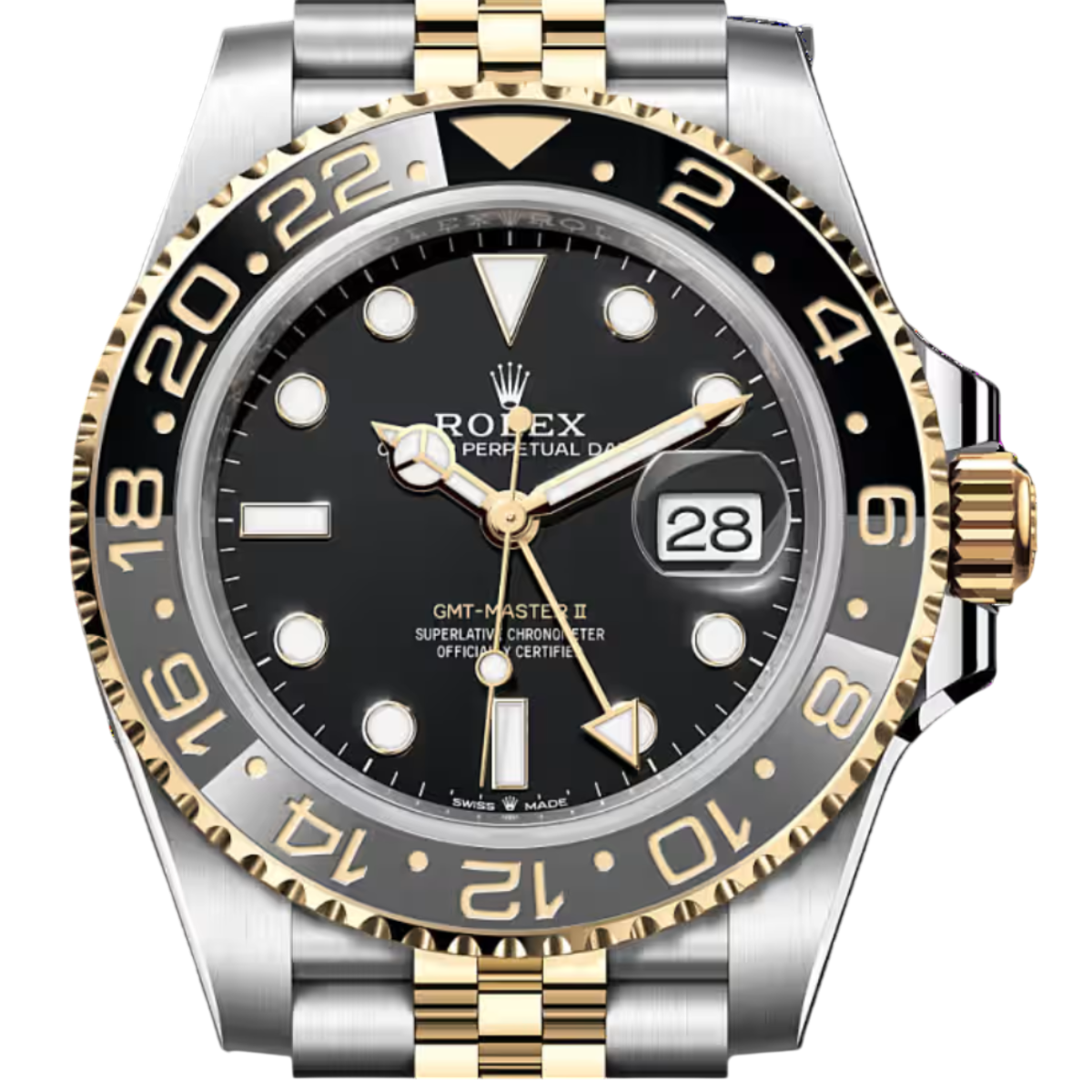
Rolex GMT-Master II
The GMT-Master II combines several traits that matter in the secondary market: a globally recognised design, strong collector demand, useful functionality and a wide choice of distinctive bezel configurations. Steel references often attract the greatest attention, particularly when supply is constrained or a version is discontinued.
That desirability does not make every GMT-Master II an automatic profit. Purchase price, configuration and timing matter enormously, and secondary-market premiums can contract. Nevertheless, few modern watches are easier to understand, insure, trade and resell across international markets.
It offers the strongest overall combination of recognisability, collector demand, market liquidity and long-term desirability.

Patek Philippe Nautilus
The Nautilus occupies a rare position at the intersection of high watchmaking, instantly recognisable design and constrained supply. Its rounded-octagonal bezel, integrated bracelet and long association with Patek Philippe make the most desirable references central to the modern collecting market.
Entry prices are extremely high and can already include a substantial scarcity premium. That creates meaningful downside risk when sentiment weakens. Condition, reference, metal, complication and provenance all affect value, making specialist knowledge essential before purchase.
It remains one of the most internationally recognised and supply-constrained high-luxury sports watches.

Rolex Submariner
The Submariner has one of the deepest pools of potential buyers in the watch market. Its design changes gradually, its purpose is immediately understood and both current and discontinued references enjoy strong recognition among enthusiasts and casual luxury buyers.
Standard current-production models may offer less speculative upside than rare variants, but the Submariner’s strength lies in resilience and liquidity rather than novelty. Discontinued colours, unusual reference transitions and complete vintage examples can command substantial premiums.
Its enduring design and unusually broad buyer base make it one of the strongest watches for value retention and resale ease.

Patek Philippe Aquanaut
The Aquanaut has developed from the younger and more casual member of Patek Philippe’s sports-watch family into a major collectible category of its own. The rounded case, embossed dial and composite strap give it an identity that is distinct from the Nautilus.
Demand is strongest for highly recognisable references and scarce configurations, but prices can be exceptionally sensitive to market sentiment. Buyers should resist treating every Aquanaut as equivalent: size, complication, material and production status can produce very different outcomes.
It combines Patek Philippe scarcity with a contemporary identity and strong demand from a younger collector base.
Rolex Day-Date
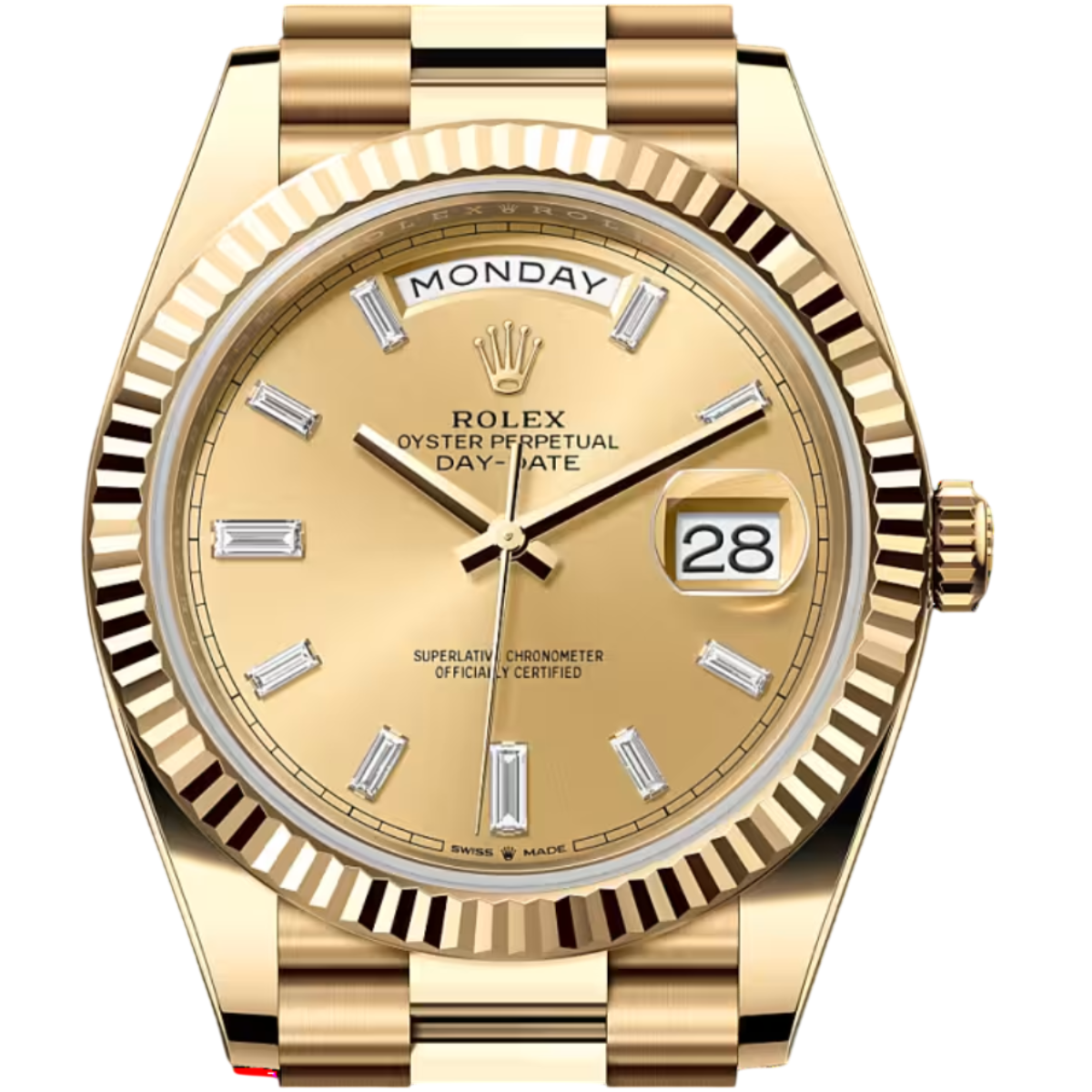
The Day-Date is more complex as an investment proposition than the steel sports Rolexes. It is produced only in precious metals, and values vary sharply according to dial, bracelet condition, metal, age and rarity. Ordinary configurations may trade below retail, while unusual dials and discontinued references can attract strong collector demand.
Its opportunity lies in selectivity. Buyers who understand dial originality, bracelet stretch, restoration and reference rarity may find significant differentiation within the range. Buying solely on gold content or headline prestige is not enough.
The collection offers strong potential for informed buyers who can identify rare configurations rather than simply buying the most expensive example.
Patek Philippe World Time
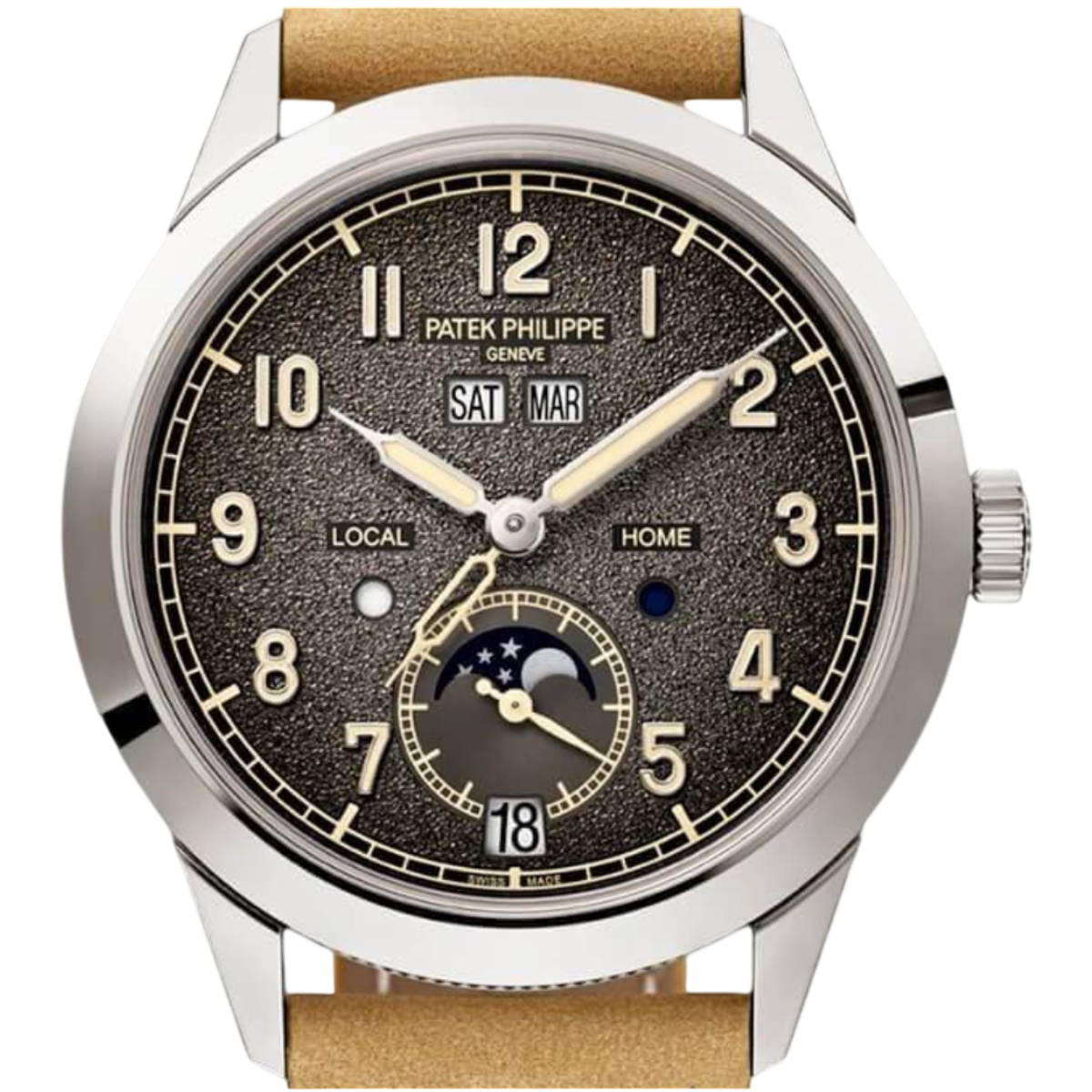
Patek Philippe’s World Time watches appeal to collectors through a distinctive complication, elaborate dial design and a long historical lineage. They are less universally recognised than the Nautilus, but often possess greater horological depth and a more specialist collector audience.
Investment performance depends heavily on reference and condition. Cloisonné enamel dials, discontinued city rings, rare metals and exceptional provenance can transform the market profile, while standard current-production examples may behave more like conventional high-end watches.
It offers a compelling combination of complication, artistic dial work and specialist scarcity for knowledgeable collectors.
Omega Speedmaster Professional
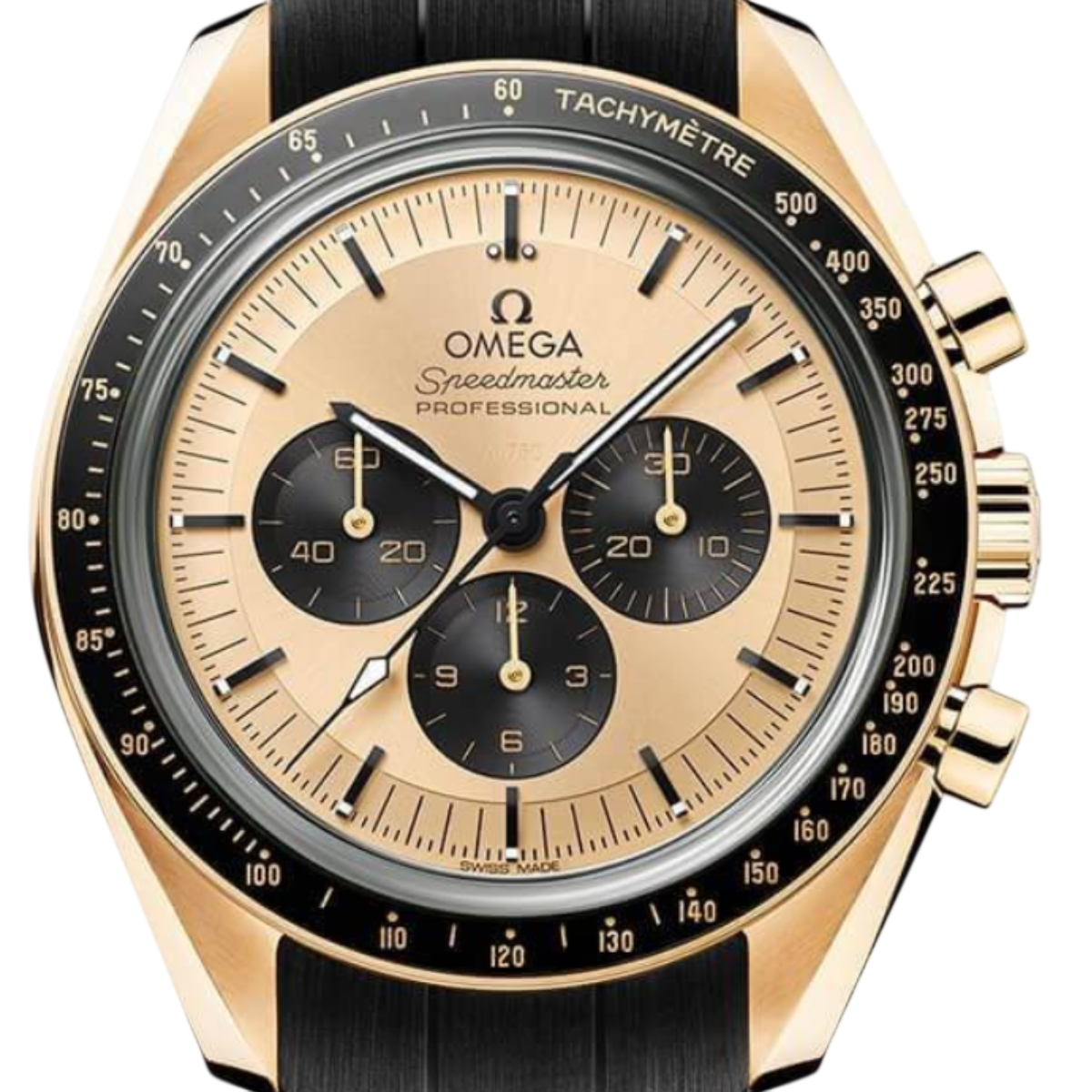
The Speedmaster Professional provides a more accessible route into a mature collecting category. Its space-flight history, long production run and numerous reference variations create a market that ranges from current models to rare vintage examples with highly specific dial, bezel and movement details.
Most standard modern Speedmasters should be bought primarily for enjoyment rather than short-term appreciation. The stronger investment cases tend to involve discontinued editions, historically important references, excellent originality or unusually complete provenance.
It combines cultural importance, a large collector community and a lower entry point than the leading Rolex and Patek options.

Cartier Santos
The Santos is not a conventional investment watch in the mould of a steel Rolex, but its historical importance and unmistakable design give it genuine collectible depth. Vintage references, unusual metals and discontinued configurations can behave very differently from standard modern models.
Its appeal is increasingly design-led rather than purely mechanical, broadening the potential buyer base beyond traditional watch enthusiasts. Current-production steel models are best viewed as strong value-retention candidates rather than guaranteed appreciating assets.
It offers a historically important design, broad cultural appeal and greater differentiation than many similarly priced sports watches.
How we chose.
We assessed these watches as collectible assets rather than simply ranking the most prestigious or expensive models. The ability to resell, authenticate and understand a reference mattered alongside potential appreciation.
Collector Demand
We favoured watches supported by an established international audience rather than short-lived enthusiasm around a single release.
Scarcity and Supply
Production status, allocation difficulty, discontinued configurations and reference-specific rarity all influence long-term value.
Liquidity
A theoretical valuation is less useful if the watch is difficult to sell. We considered the depth and transparency of the secondary market.
Historical Significance
Enduring designs, important complications and meaningful cultural associations can support demand beyond temporary market fashion.
At-a-glance comparison.
| Watch | Approx. Market Price | Entry Level | Liquidity | Best For | Main Risk |
|---|---|---|---|---|---|
| Rolex GMT-Master II | £10,000–£20,000+$13,000–$26,000+ | High | Very high | Best overall | Paying an excessive premium |
| Patek Philippe Nautilus | £70,000–£200,000+$90,000–$260,000+ | Very high | High | High-end collecting | Large scarcity premium |
| Rolex Submariner | £8,000–£18,000+$10,500–$24,000+ | High | Very high | Defensive value retention | Limited upside on common references |
| Patek Philippe Aquanaut | £50,000–£150,000+$65,000–$195,000+ | Very high | High | Contemporary scarcity | Sentiment-sensitive pricing |
| Rolex Day-Date | £25,000–£70,000+$33,000–$92,000+ | High | Medium-high | Rare configurations | Wide variation by dial and condition |
| Patek Philippe World Time | £35,000–£100,000+$46,000–$130,000+ | Very high | Medium | Specialist collectors | Narrower buyer pool |
| Omega Speedmaster Professional | £5,000–£12,000+$6,500–$16,000+ | Medium | High | Accessible collecting | Common modern references may depreciate |
| Cartier Santos | £5,000–£15,000+$6,500–$20,000+ | Medium | Medium-high | Design-led collecting | Standard models may track retail slowly |
Prices are broad secondary-market guides shown in GBP and USD. Actual values vary substantially by reference, condition, age, completeness and seller. UK prices may include taxes or dealer margin; US prices may exclude local sales tax.
Buying advice.
Buy the reference, not the model name
Two watches from the same collection can have entirely different values because of dial, metal, production period or discontinuation status.
Calculate the true purchase spread
Compare dealer asking prices with realistic trade and private-sale values. The difference can absorb years of potential appreciation.
Prioritise originality
Replacement dials, over-polished cases, missing links and incorrect service parts can materially reduce collector demand.
Keep the complete set
Boxes, papers, receipts, service records, spare links and original accessories can strengthen provenance and resale confidence.
Budget for ownership costs
Insurance, secure storage, servicing, authentication and selling commissions all reduce the effective return.
Avoid short-term speculation
The strongest collectible watches usually reward patience. Buying during a sudden price spike creates significant downside risk.
Frequently asked questions.
The Rolex GMT-Master II is our best overall choice because it combines strong collector demand, distinctive configurations, global recognition and a deep secondary market. Returns are not guaranteed, and purchase price remains critical.
No. Most watches depreciate after purchase, and even highly collectible models can fall when demand weakens. Appreciation tends to be concentrated in specific references, rare configurations and well-preserved examples.
Rolex has one of the broadest and most liquid secondary markets, especially for steel sports models. However, value retention varies by reference, configuration and purchase price.
Unworn condition can attract a premium, but watches require appropriate storage and occasional maintenance. For most buyers, careful wear provides greater enjoyment without necessarily destroying value.
Generally, watches are less liquid, less diversified and more expensive to transact than conventional investments. Their main advantage is that they are wearable collectibles, not that they reliably outperform financial markets.
Continue your research.



The best investment watch is still a watch worth owning.
The Rolex GMT-Master II offers the strongest overall market profile, while the Patek Philippe Nautilus and Aquanaut provide greater scarcity at far higher entry prices. The Submariner remains the most defensive choice, and the Speedmaster Professional offers a more accessible route into serious collecting. In every case, reference, condition and purchase price matter more than the name on the dial.